

In Northern Mexico, Local Entrepreneurs are Building Food Security from the Ground Up
By James Fredrick | June 30, 2026
Well before sunrise, in a small town tucked into the arid hills of northern Mexico, Leonor Mares is already hard at work.
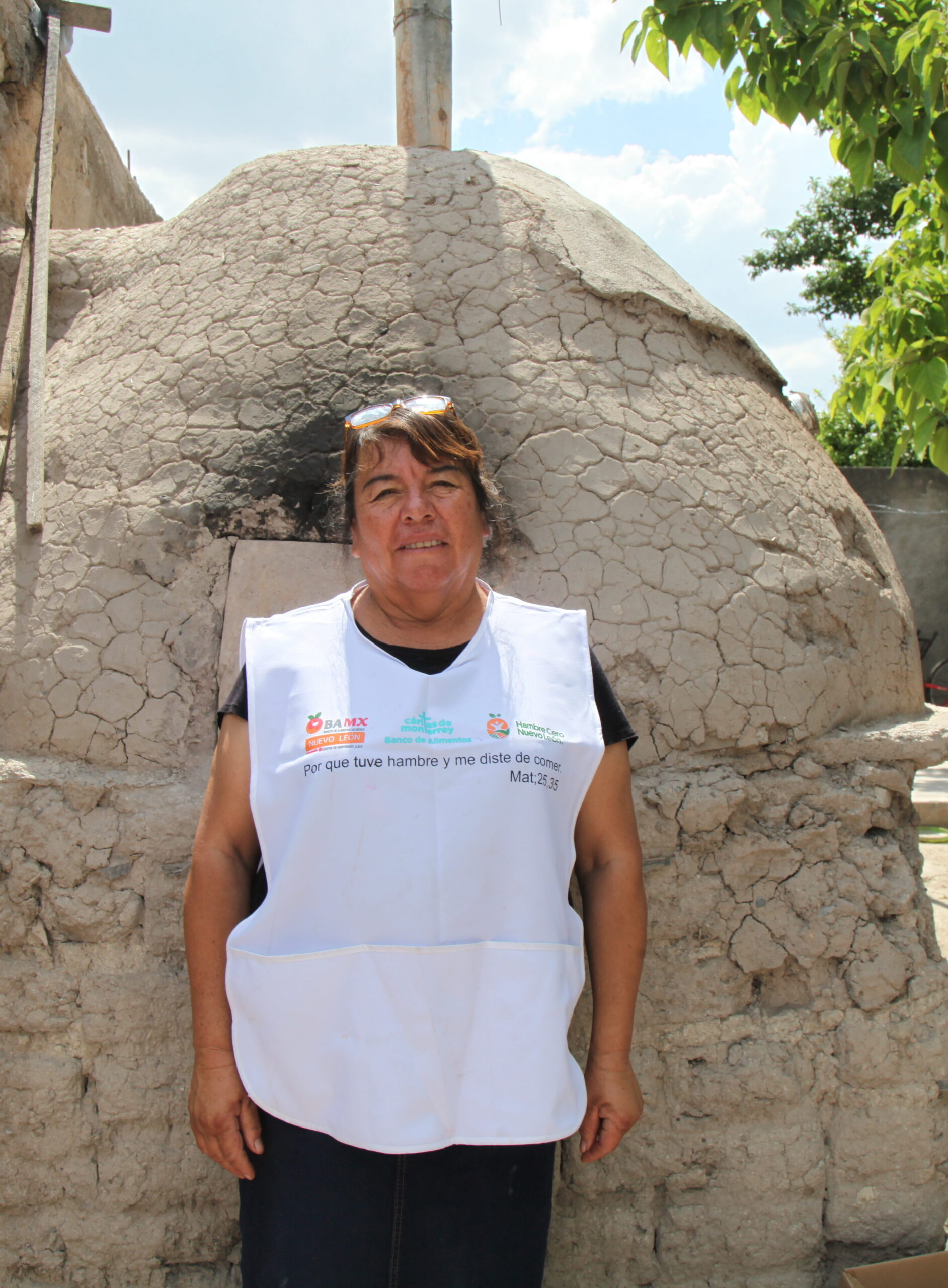
A wood fire crackles as she kneads dough for whole wheat bread. Nearby, trays of empanadas cool on metal racks.
“My father used to make bread in a wood-fired oven,” says Leonor as she rolls out dough on a wooden table. “I learned from him and started baking for my family. I started making sweet empanadas, and then we started doing more.”
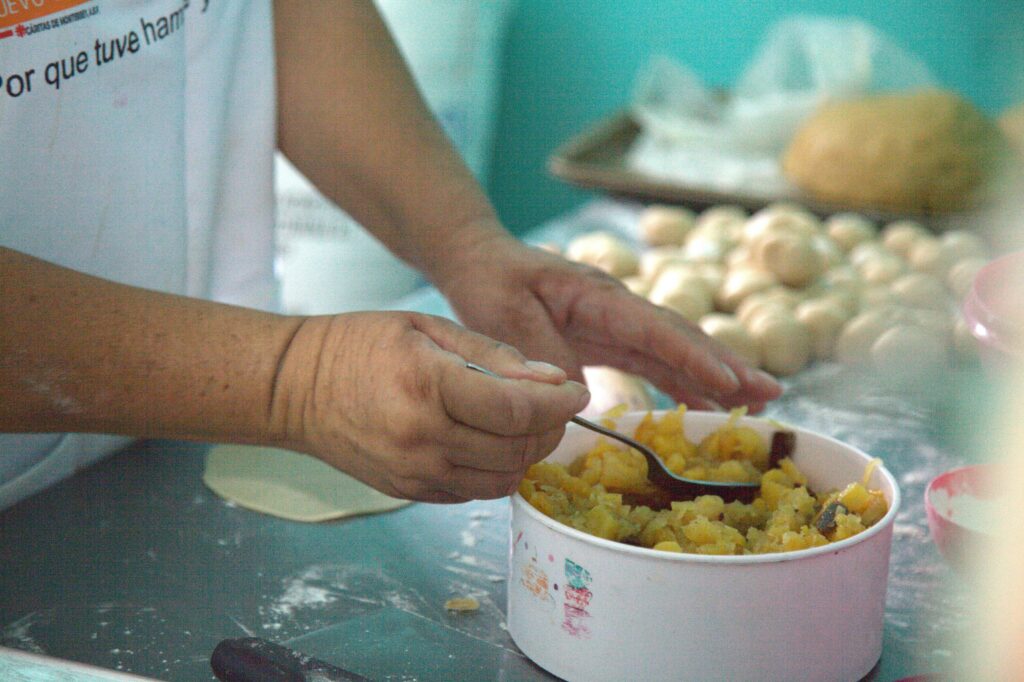
She rolls out small balls of supple dough and flattens them into disks. She spoons homemade pineapple filling inside, deftly folds them and crimps the edges — the precise and steady movements of someone who has made these empanadas many times before.
Leonor’s hustle never slows. The next morning, she and her family are up at the crack of dawn. It’s market day in their town of 2,500 people, and they have baked goods to sell.
Under a blue tarp, Leonor and her husband Marcial lay out their offerings on a table: loaves of whole wheat bread, sweet empanadas in a variety of flavors, shortbread cookies, traditional Mexican bolillos, cupcakes decorated by her grandson Kevin, and more. As customers stop by throughout the morning, Leonor greets them by name.
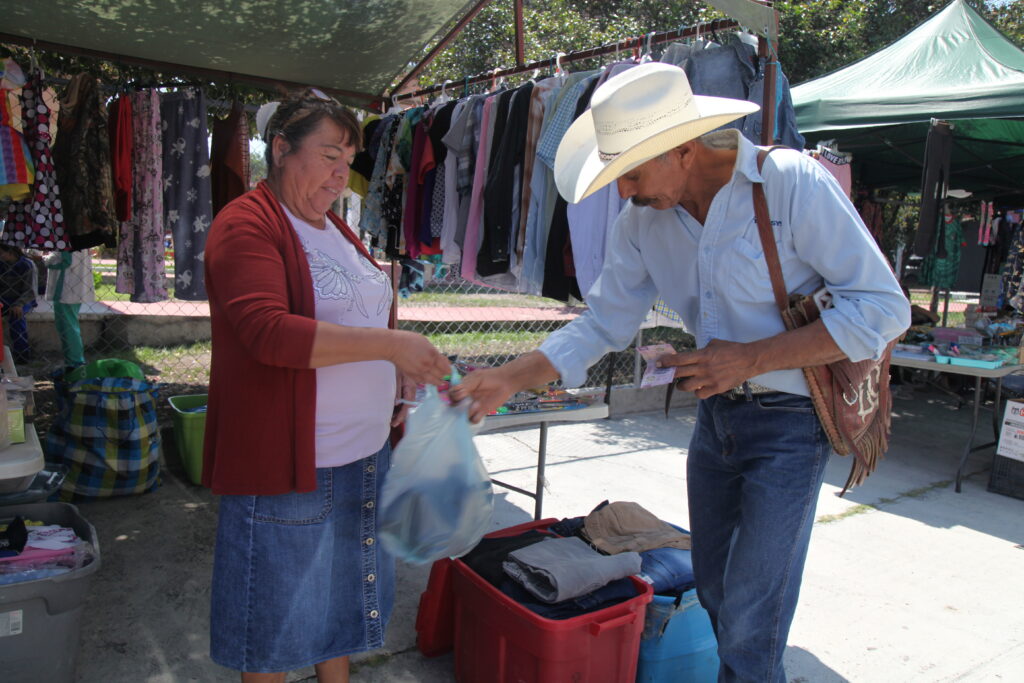
Her first customer of the day is a regular: an older gentleman decked out in his cowboy — or in this part of northern Mexico, vaquero — best. He’s here for his weekly supply of whole wheat bread.
“I get lots of orders because people don’t want white bread or the doctor tells them to cut it out of their diet. So, they come for my whole wheat. One man orders five large loaves every week,” she says proudly.
“People will now come to us with special orders. Some say they love my empanadas but ask if I can make them sugar-free for their health,” she says. “It makes me happy to make something to order and see how pleased someone is with what we made.”
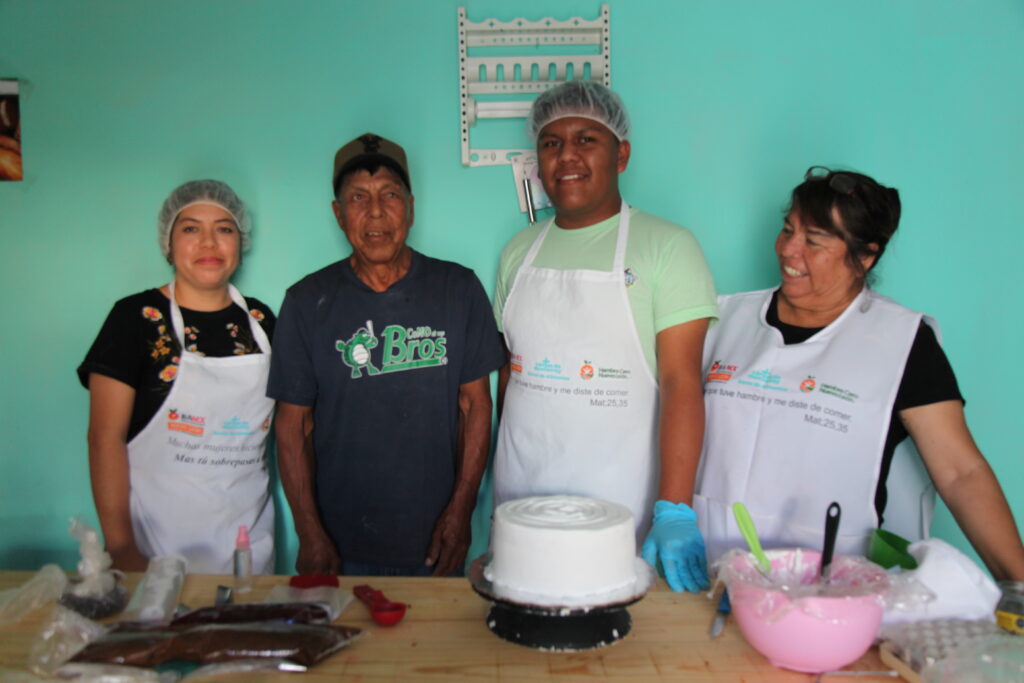

Today, Leonor’s bakery is more than a business. It’s a source of nutritious food for her community and a steady source of income for three generations of her family. Leonor’s success is due in part thanks to an innovative strategy by Cáritas de Monterrey Food Bank to tackle hunger in some of Mexico’s most isolated communities. What began as a simple idea during the COVID-19 pandemic is now a key piece of the food bank’s strategy for ending hunger.
Leonor is one of dozens of entrepreneurs across Nuevo León supported by Cáritas de Monterrey. This program — part of the food bank’s Rural Nutrition program — works closely with families to start and grow their own food businesses in 26 communities.
Here in La Ascensión, the food bank supports people making traditional corn tortillas, whole wheat flour tortillas, tamales, healthy prepared meals and much more. In neighboring towns, they support a diverse set of projects including bakeries, community gardens, healthy eateries and even a pecan farmer.
“Really, the end goal of our food assistance and entrepreneurship projects is that people can become self-sufficient and prosper without the food bank always having to be here,” says Cecilia Briones, director of the Rural Nutrition program.
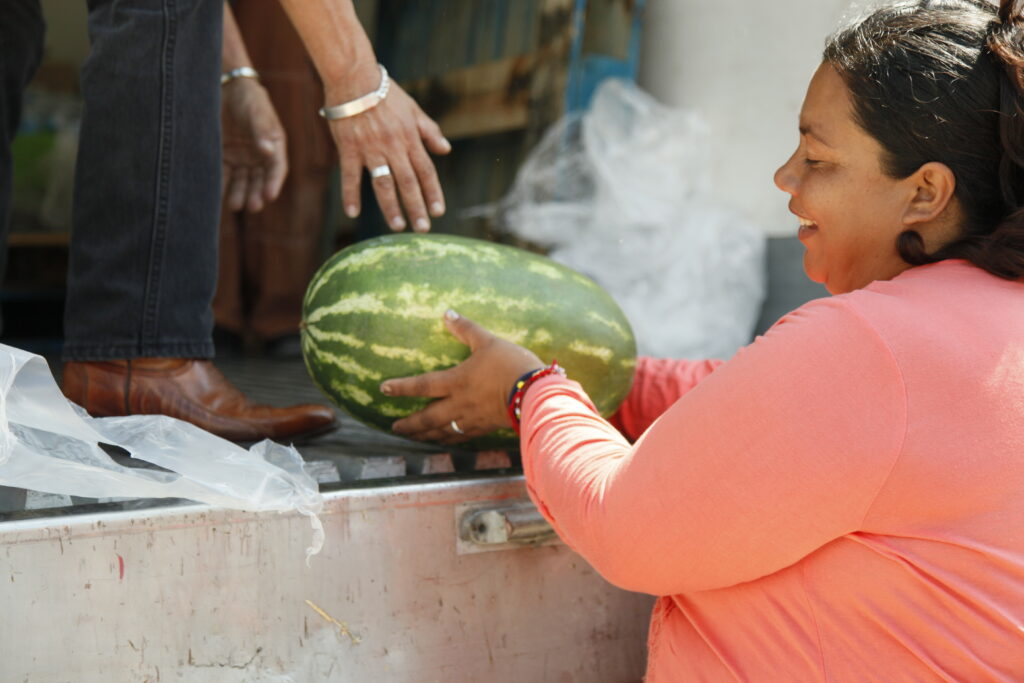
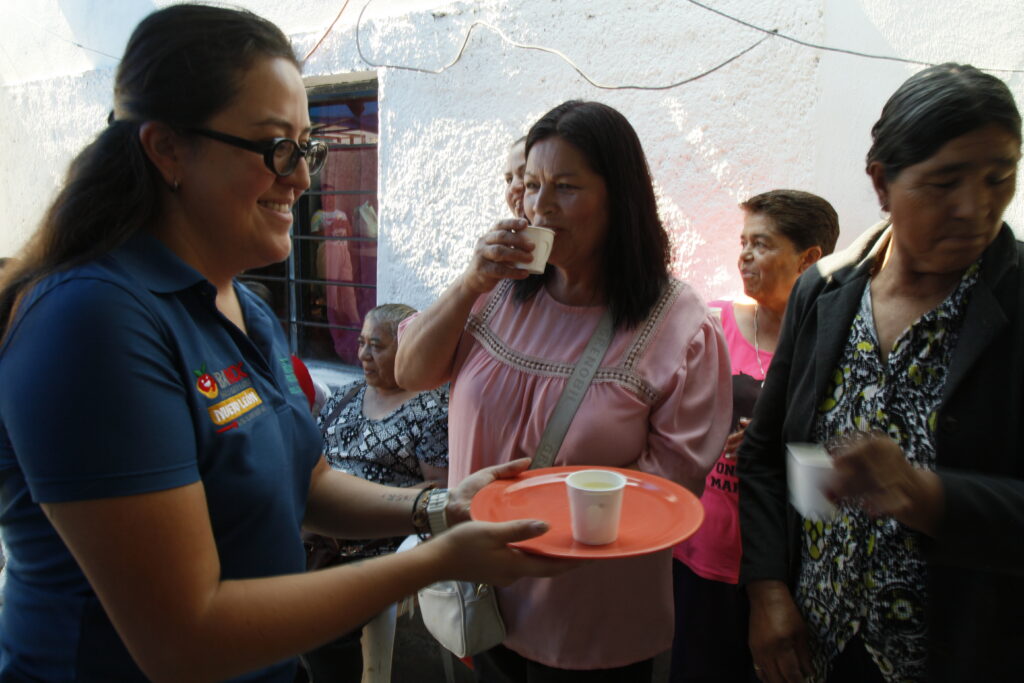
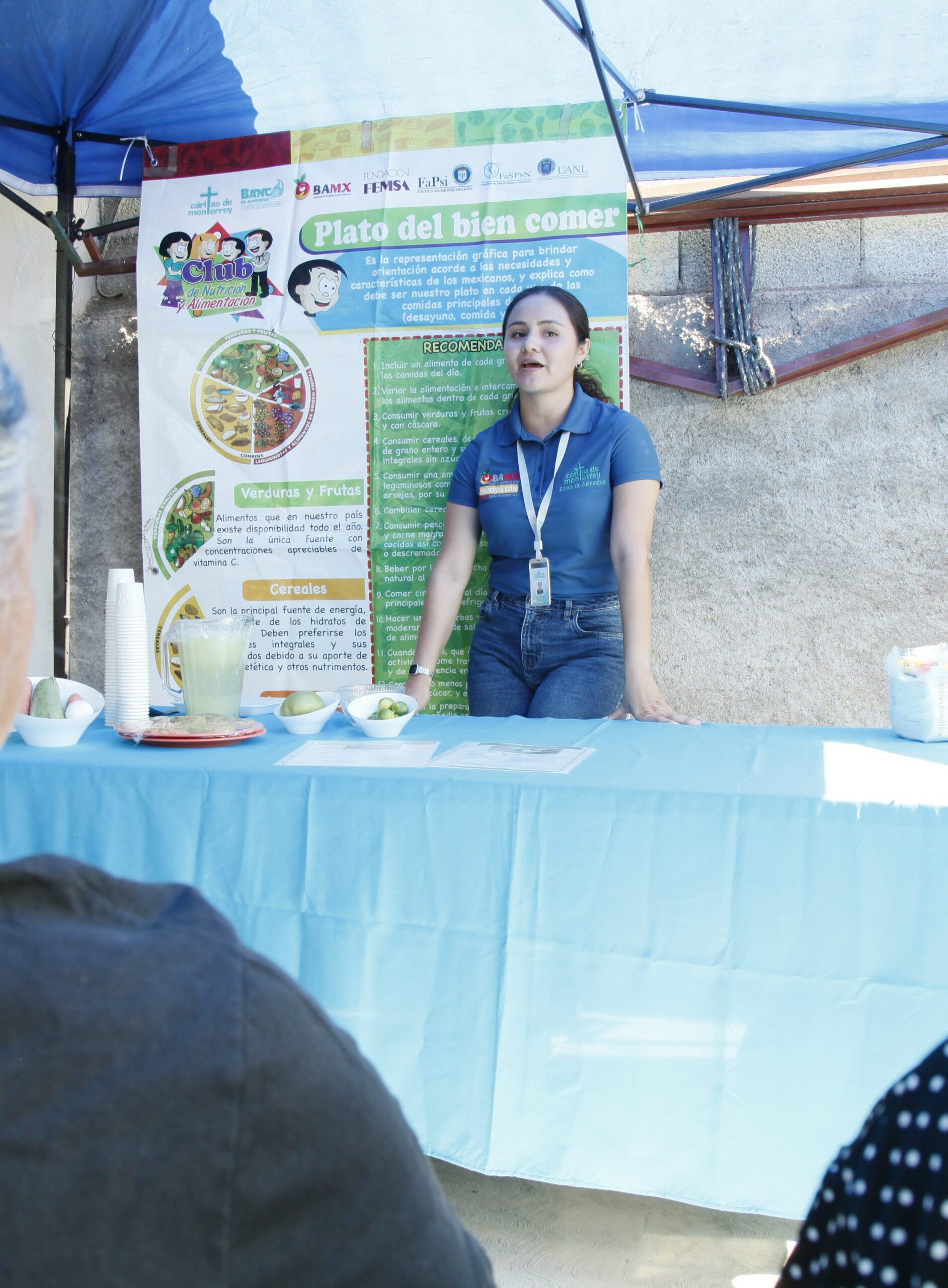
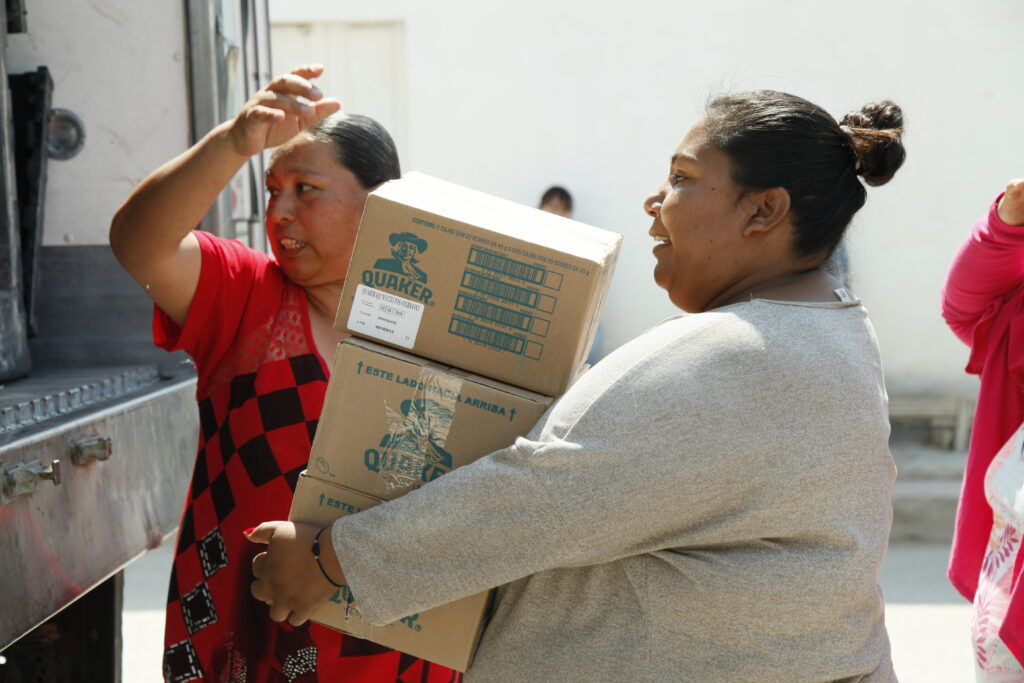
For nearly a decade, Leonor has also served as the local coordinator for monthly food distributions in La Ascensión, a town of roughly 2,500 people in Mexico’s Nuevo León state.
Every month, families gather under tarps stretched between homes to escape the desert heat while they receive food baskets filled with fruits, vegetables, grains, dairy products, and other essentials. Before distributions begin, food bank nutritionists share recipes and cooking demonstrations designed to help families make the most of healthy ingredients.
Leonor knows nearly every family by name. “If someone can’t come, we make sure they still receive their food,” she says. “We help each other here.”
Yet the food bank knows that food assistance alone isn’t enough. “What we have tracked is that if you give someone food assistance for a year and then remove it, within a few months they often need support again,” says Blanca Castillo, co-founder and executive director of Cáritas de Monterrey. “Poverty is multidimensional. If we don’t address all aspects of it, people cannot escape it.”
For years, Blanca and her team have worked in rural communities across southern Nuevo León, where long distances, limited infrastructure and few employment opportunities make it difficult for families to achieve lasting food security.
“These are often forgotten communities,” says Cecilia, the director of the Rural Nutrition program. “People struggle not only with food access but with opportunities to earn a living.”
That reality led the food bank to expand its approach beyond food distribution.
That’s where the food bank’s entrepreneurship program came in. Today, Cáritas de Monterrey helps residents launch and grow small businesses that strengthen both household incomes and community nutrition. Leonor is one of dozens of entrepreneurs across this Mexican state being supported by Cáritas de Monterrey.
In addition to training and mentorship, the food bank provided her with a gas oven, baking trays, worktables and equipment that allowed her family bakery to grow far beyond what was possible with a traditional wood-fired oven.
The goal is simple: create more pathways to economic opportunity while increasing access to nutritious food in communities where both are often scarce.
“What we’re building is sustainability,” says Blanca.
“Things are going well for us,” says Leonor with a gentle smile. “We’re prospering here. We’re happy.”

