How Aid Cuts and Conflict Are Affecting Communities Around the World

Conflict, climate disasters and economic turmoil — combined with cuts to foreign aid — are driving hunger and stretching food banks even further.

See how they’re adapting and how you can stand with them.
Back
to top

In 2026, the world is already facing the impacts of cuts to official development assistance (ODA), rising rates of hunger and natural disasters; Now conflict in the Middle East introduces new pressures to our global food system. Global hunger remains persistently high, with 1 in 11 people experiencing hunger and 1 in 3 people unable to afford a healthy diet.

Despite these pressures, GFN’s network continues to deliver and adapt to these pressures, providing the equivalent of 2 billion meals annually across more than 50 countries, including U.N. Hunger Hot Spots and USDA‑identified food‑insecure nations.

The GFN team is working closely with our network to bring you up-to-date information on the specific challenges facing GFN food banks — learn more below or read our latest situation report.

Help Food Banks Deliver When It Matters Most

Aid cuts and conflict are increasing the need for food assistance and putting local food banks at risk. Together, we can respond swiftly and strategically to fill critical gaps and demonstrate our shared commitment to global food security and community resilience.

Contact Vicki Clarke at vclarke@foodbanking.org to learn more.

"Development work around hunger and nutrition is changing. There is a growing need for resilient, locally driven models that can absorb shocks from funding disruptions and climate variability.”

John Gathungu, Food Banking Kenya
APRIL 1, 2026

Africa

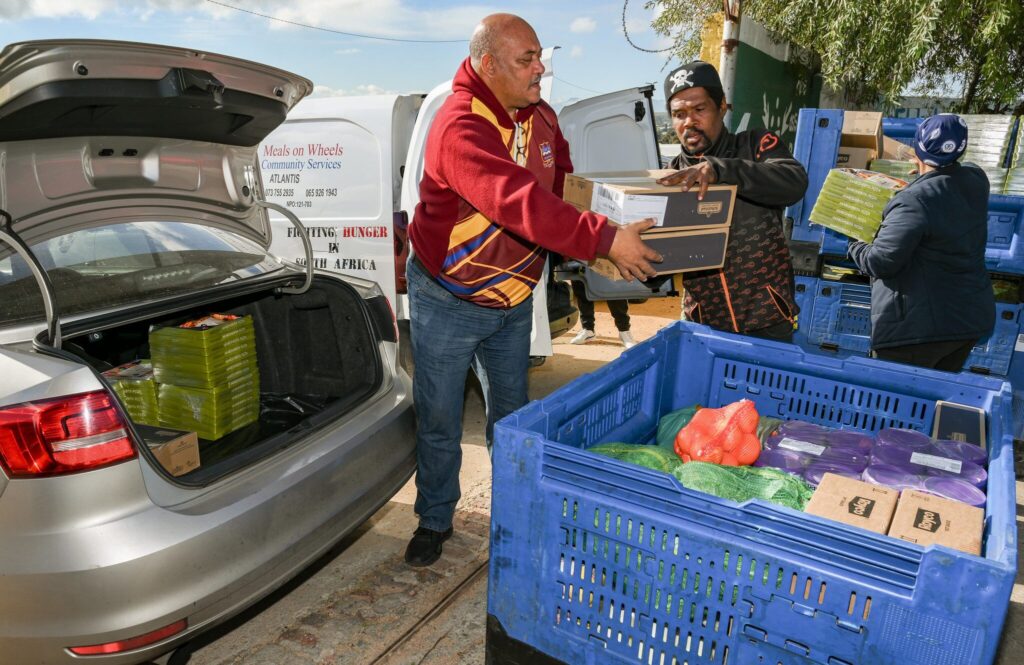
"The ODA cuts and the tariffs have affected us and impacted our economy. Thousands of jobs were lost. Hundreds of [tuberculosis and HIV] clinics had to close overnight. Our fear is that over the next two years, we are going see a cumulative increase in HIV and other communicable diseases. "
Andy Du Plessis, General Director, FoodForward SA

Escalating Food & Nutrition Crisis in Africa


Fertilizer Market Disruptions

  • Global fertilizer markets are severely disrupted at a critical planting moment for sub‑Saharan Africa. About 25% of the world’s fertilizer supply moves through the Strait of Hormuz, now effectively incapacitated.
  • Import‑dependent countries face sharply reduced fertilizer access.
  • Countries are responding differently:
    • Ghana has raised fuel prices.
    • South Africa is cutting fuel taxes.

Food Bank Response: Banque Alimentaire de Cote d’Ivoire (BACI)

  • Since 2019, Banque Alimentaire de Côte d’Ivoire (BACI) has served 300,000+ people in Abidjan and surrounding areas.
  • Food banking is still emerging in the country, but BACI is expanding rapidly with GFN support.
    • BACI joined GFN’s Food Bank Accelerator program in 2024.
    • Within one year, the food bank doubled the amount of food it distributes and served nearly 3x more people.

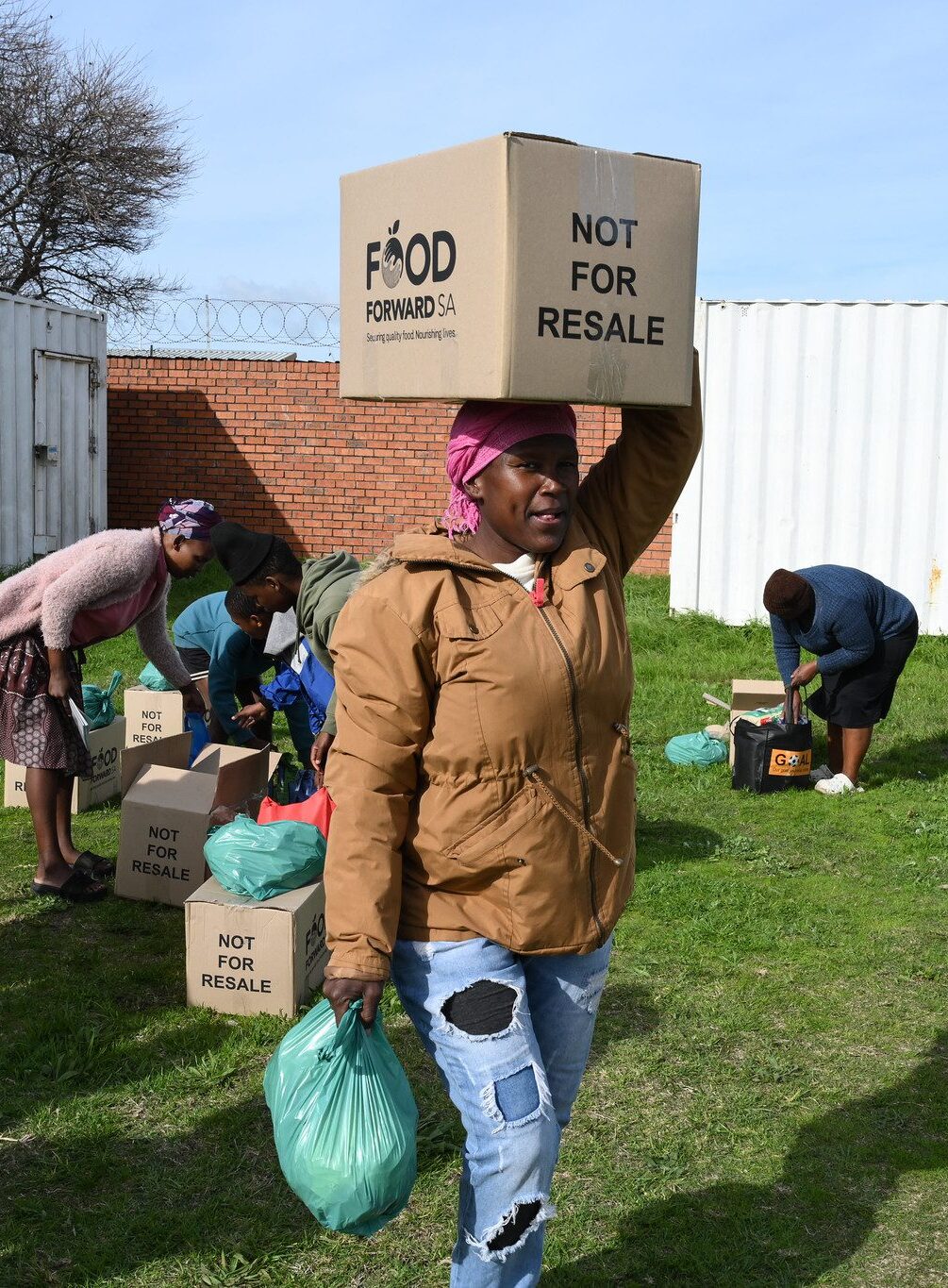
Food Bank Response: FoodForward South Africa (FFSA)

  • South Africa faces a significant economic downturn. Unemployment remains extremely high, including 60% youth unemployment.
  • Loss of PEPFAR (U.S. President’s Emergency Plan for AIDS Relief) funding has strained health services. FFSA is supporting overwhelmed health clinics to fill critical gaps.
  • To keep up with rising need, FFSA uses its FoodShare digital platform to connect large food retailers directly with community agencies.
  • With a grant from GFN in November 2025, FFSA was able to sustain its Rural Mobile Distribution program mobile that serves remote and rural populations, a critical component to reaching underserved populations.

APRIL 1, 2026

Asia Pacific

Fuel & Aid Cuts in Asia Pacific

  • Asia and sub-Saharan Africa are most vulnerable to war impacts because of their reliance on food and fuel imports. Asia is feeling the shock most acutely, given that nearly every country in the region depends heavily on Middle Eastern oil.
  • Asia is home to more than half of the population facing hunger while more than $1.2 billion in aid cuts from the U.S. and the U.K. were made in the region. According to WFP’s assessment, current projections point to a 24% rise in food‑insecure populations across Asia.

Food Bank Response: Scholars of Sustenance Thailand (SOS)

  • USAID reductions have heavily affected refugee and migrant worker communities along the Thailand–Myanmar border. SOS is now receiving more direct requests for assistance from individuals who have lost support.
  • In 2026, SOS will scale food recovery to all 27 provinces to expand food recovery nationwide. This expansion will help reach migrant and refugee communities where needs are rising.

Food Bank Response: FoodCycle Indonesia (FCI)

  • FCI is expanding their operations into new regions, working directly with small-scale farmers to recover surplus fresh produce before it goes to waste. Their successful pivot to agricultural recovery in 2024 has resulted in a significant increase in kilograms distributed, and they are actively expanding that program with GFN’s support.

APRIL 1, 2026

Latin America

Undernourishment Improves While Economic Growth Stalls

  • According to FAO, undernourishment in Latin America and the Caribbean has declined for four consecutive years, reaching 5.1% of the population in 2024.
  • Meanwhile, OECD paints a picture of decelerated economic growth in Latin America in 2026 due to a variety of factors, including inflation, climate-related events and geopolitical tensions.

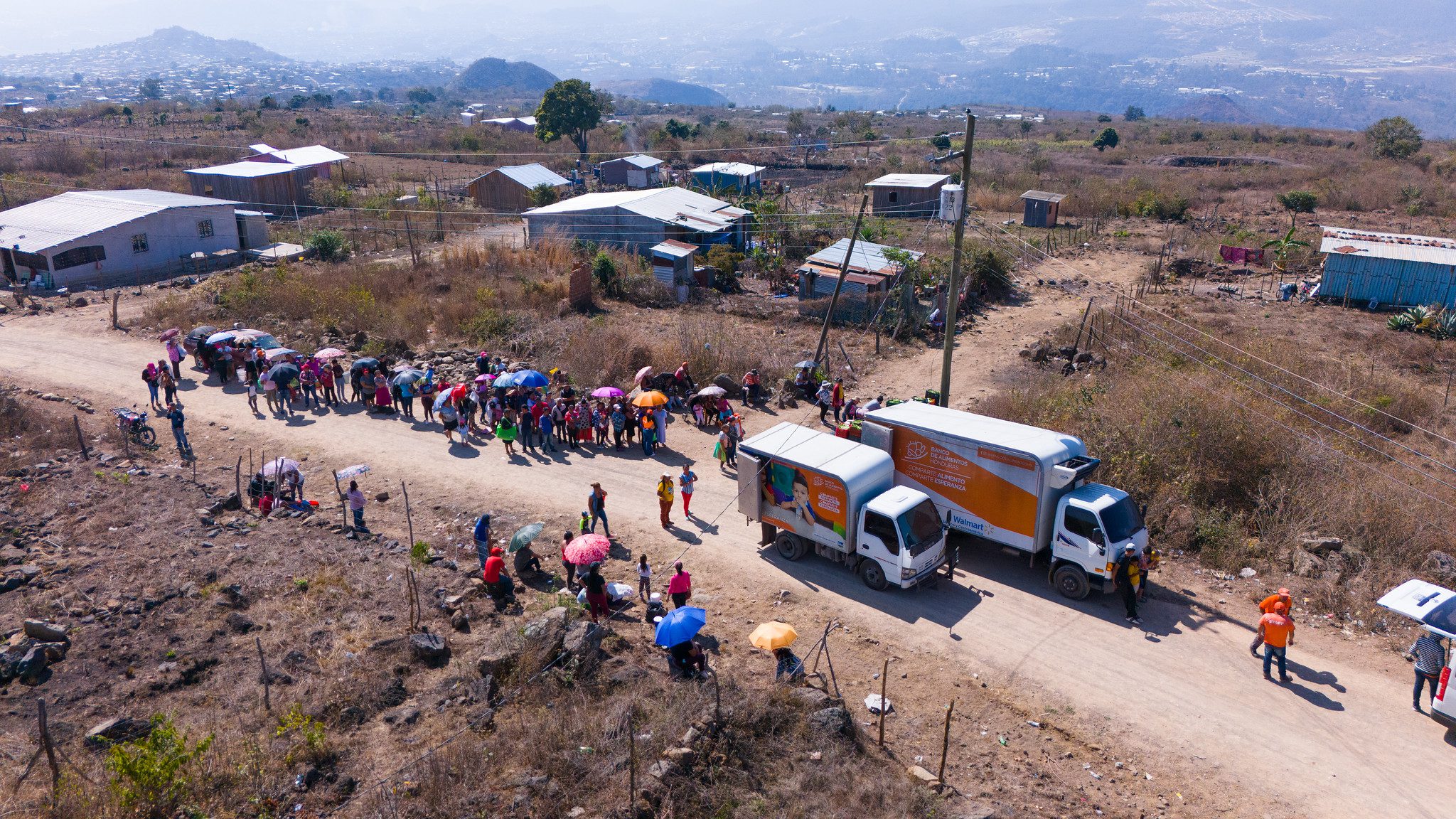
Food Bank Response: Banco de Alimentos de Bolivia

  • With intensive agricultural recovery technical assistance from GFN, the food bank is expanding its fresh produce recovery, streamlining logistics and improving staffing to manage farmer relationships.

Food Bank Response: Bando de Alimentos El Salvador (BAES)

  • Today, 35% of the food banks’ partner agencies are affected by funding cuts from the United States. Many of these organizations had had to cancel programs or reduce their budgets, making it difficult for them to cover their solidarity contribution (a small fee to cover food recovery, transportation and storage) for the food received as well as the costs to transport food from the food bank. As a result, the food bank has been covering the transportation costs of the products distributed to two of the most affected organizations.

Explore More

Explore ways to help food banks deliver where it's needed most