In 2025, conflict, disasters and massive cuts to official development assistance combined to create an unprecedented year of global humanitarian challenges.
Once again, food banks — ever agile, responsive and resilient — acted as safety nets across the world, standing between their communities and hunger. Members of The Global FoodBanking Network (GFN) served approximately 2 billion meals to 40.5 million people facing hunger in 2025.
The GFN Spotlight showcases data from 55 member food banking organizations across 47 countries [1]. It provides a look at developments and innovations in food banking, highlights members’ achievements, and demonstrates some of the food security challenges faced in 2025.
[1] Does not include data from partner organizations, Feeding America (U.S.A.) and the European Federation of Food Banks. Members of GFN’s New Food Bank Development Program and members who joined in 2025-2026 do not submit data.

“Last year, dramatic and sudden reductions in official development assistance set off the most significant upheaval of humanitarian funding in decades. Food banks — ever agile, responsive and resilient — continued to serve as safety nets around the world, connecting local communities to nutritious food, despite the challenges.”
Lisa Moon
CEO & President
The Global FoodBanking Network
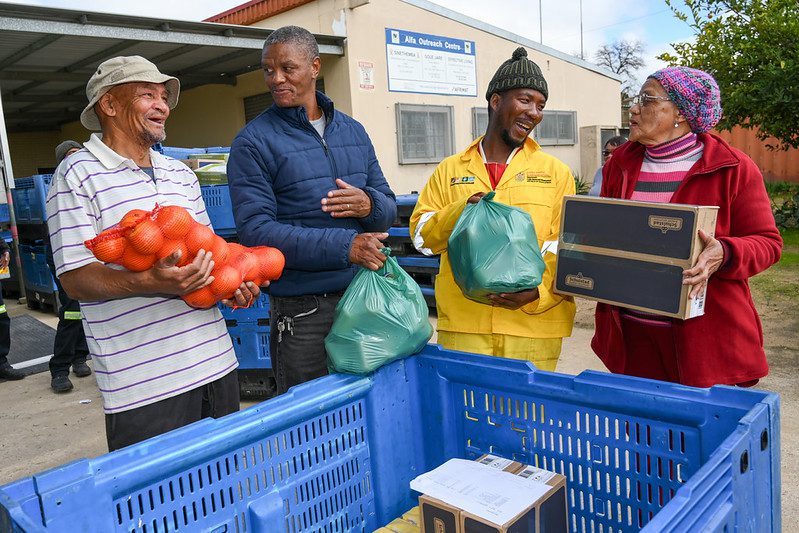
Geran le Fleur, Desmond Pypers, Christopher Vermeulen and Dibah Smith collect their food from the FoodForward SA truck at the central pick-up point at the Alpha Outreach Centre in Malmesbury, near Cape Town, South Africa. The food will be brought back to community support organizations. (Photo: The Global Food Banking Network / Jeffrey Abrahams)
Loading...
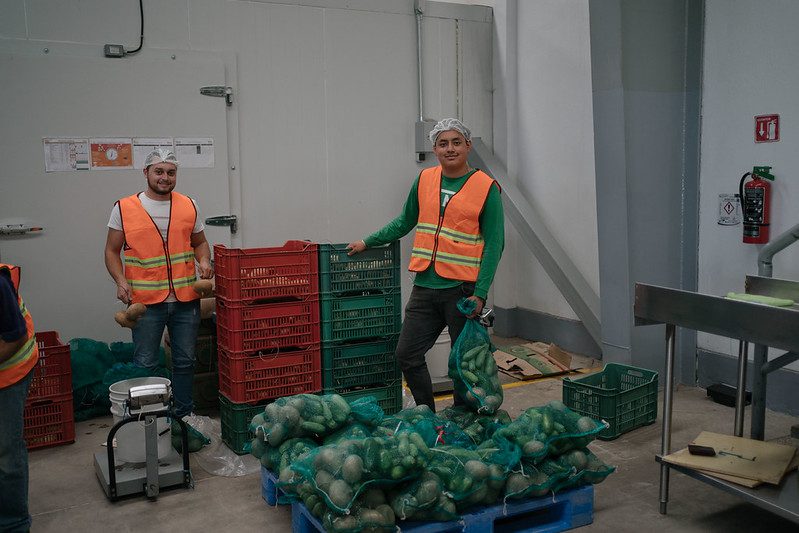
Carlos Nuño and Isaac Sierra, volunteers at Bancos de Alimentos de México (BAMX) Zapotlanejo, pack fresh produce for distribution. BAMX Zapotlanejo a growing food bank and serves 5,500 families in 28 communities. (Photo: The Global FoodBanking Network/Luis Antonio Rojas)
Loading...
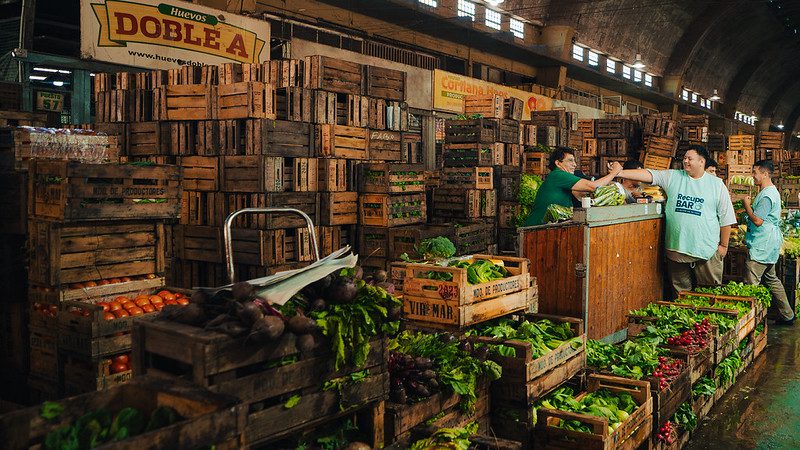
Nico Lopez from Banco de Alimentos Rosario's market recovery program, RecuperBAR, greets a vendor at Mercado de Productores Rosario to begin work.
Loading...
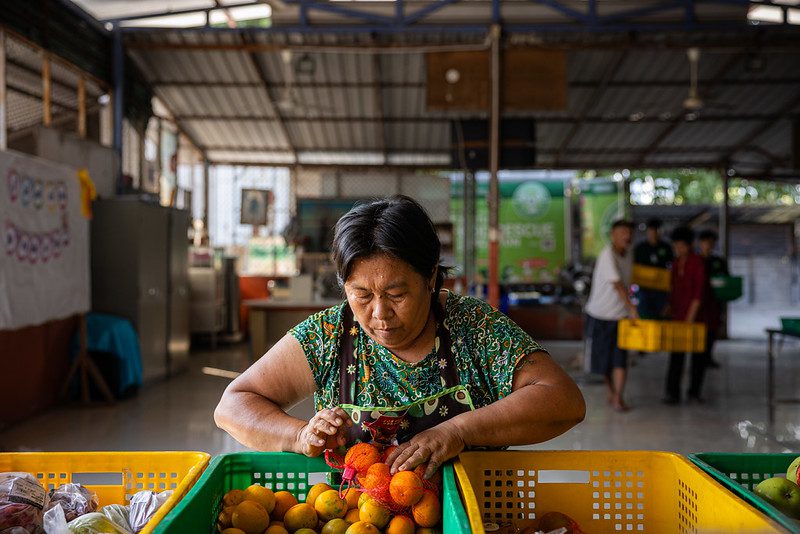
SOS Thailand staff and community volunteers help set up a delivery station for rescued food donations to the Khlong Toei community. (Photo: The Global FoodBanking Network/Lauren DeCicca)
Loading...
Agile, tech‑enabled food banking models are gaining momentum across the network, with virtual food banking — also known as direct collection — emerging as a leading approach. This model connects people and businesses who have surplus food directly with community agencies through digital platforms, streamlining distribution.
By 2025, 27 food banks were operating virtual food banking programs, which now account for about 8% of total network food distribution. Alongside this growth, other next‑generation models such as decentralized or zero‑warehouse systems, hub‑and‑spoke structures and mobile depots are also being used to expand reach and improve efficiency.
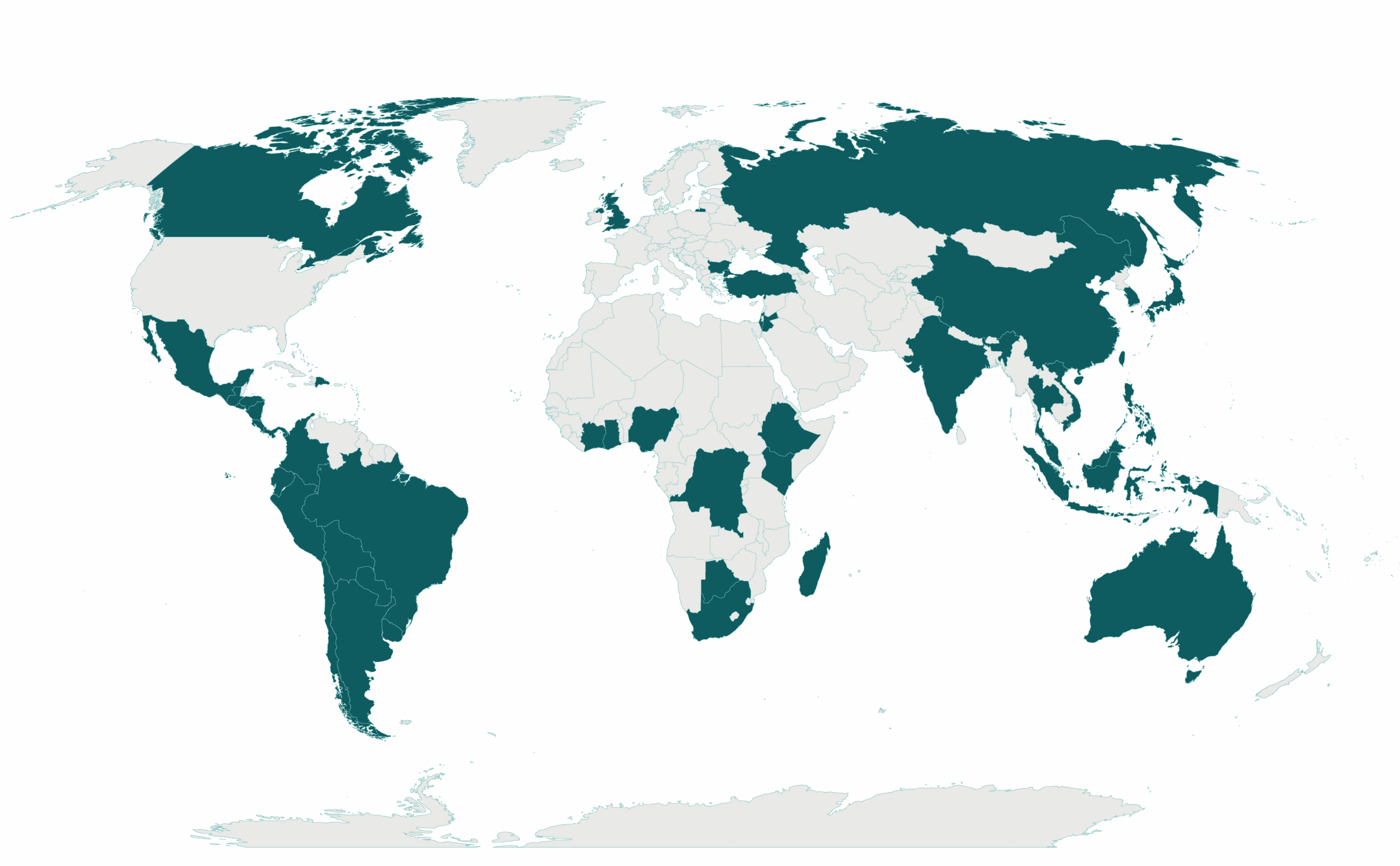
Across six continents, in 50 countries, we’re powering community-led solutions to alleviate hunger and reduce food loss and waste.