Originally published on November 20, 2025. Updated on August 25, 2026.
In 2019, The Global FoodBanking Network (GFN) started a program designed to accelerate the development of newer food banks in regions where food insecurity is especially acute.
That year, food banks in the program distributed a combined 2.3 million kilograms of food and grocery products to nearly 1.1 million people. Only six years later, in 2025, that same group of food banks connected 30 million kilograms of food to nearly 11 million people.
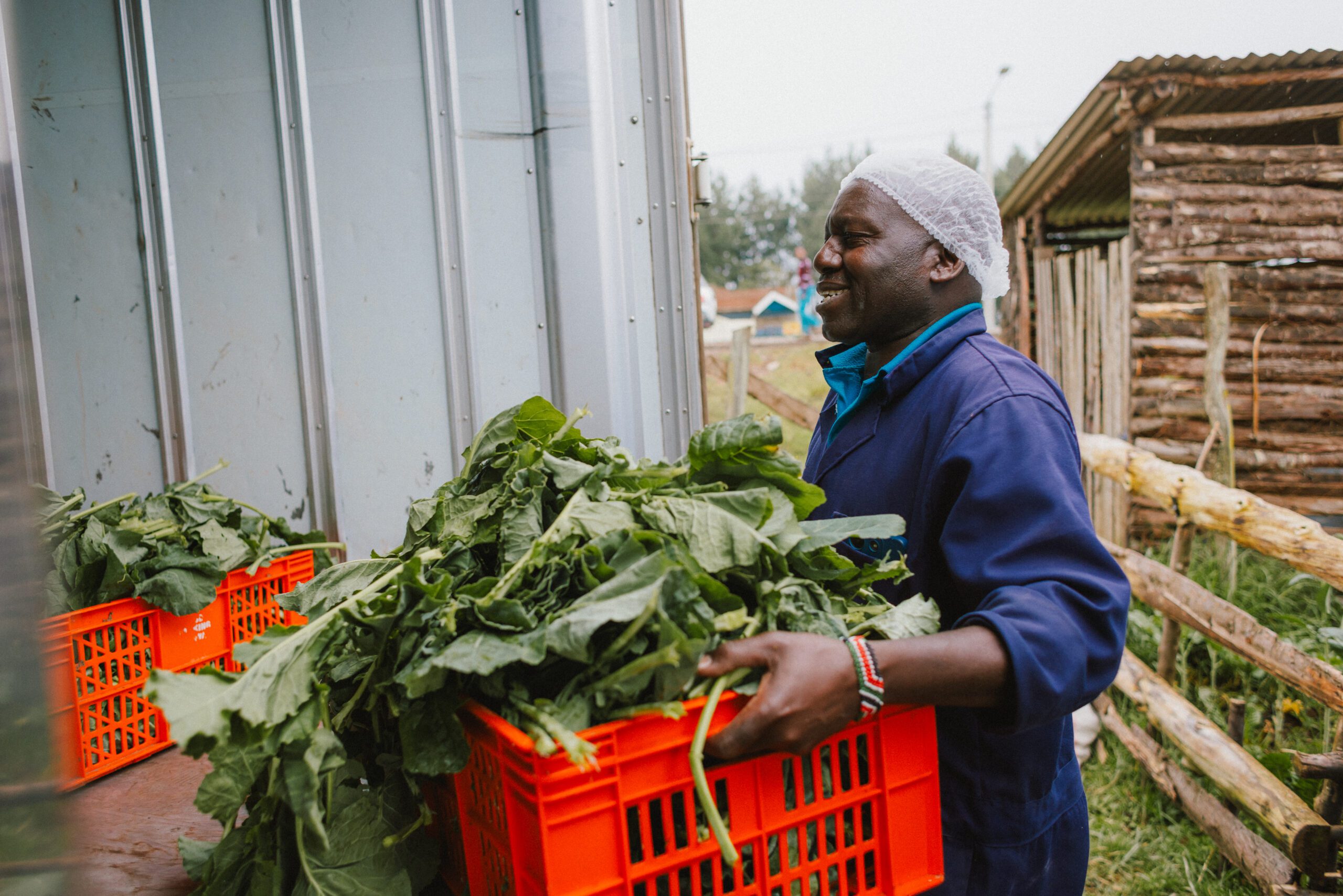
Such incredible strides in such a short time are only possible through the hard work, creativity and dedication of the food bankers participating in the Food Bank Accelerator Program. The first cohort of Accelerator food banks established in 2019 consisted of six African food banks and seven Asian food banks. Those food banks moved on from the program in 2024 but continue to demonstrate sustainable growth — on average, these food banks increased their food distribution by 21% from 2023 to 2025.
The Accelerator added a second cohort in 2024, which now consists of three Asian food banks in Indonesia, Malaysia, and the Philippines and five African food banks in Cote D’Ivoire, the Democratic Republic of Congo, Ethiopia, Madagascar and Mauritius.
“Being part of GFN has really changed our organization,” said Astrid Paramita, cofounder of Food Cycle Indonesia. “The amount of support and growth that we’ve seen since joining the Accelerator Program in 2019 has been tremendous.”
In many cases, it can take new food banks 10 or 15 years to reach maturity. GFN’s Accelerator serves as a multiplier of their ingenuity, providing context-specific technical support, mentoring, peer-to-peer connections and partnership opportunities that might otherwise be unavailable to young food banks. Since program participants are typically located in places where the food banking model is fairly new and unknown, these services are especially valuable and can also help food banks establish credibility.
“The objective of the Accelerator is to support rapid growth while simultaneously building solid foundations that will enable these food banks to be sustainable and serve their communities for the long term,” said Anthony Kitchen, GFN field & knowledge services senior director.
Newer food banks that are part of GFN’s Accelerator program grew by 40% from 2024 to 2025 in terms of product distribution, which outpaced the rest of the network. Driven by intensive technical assistance and catalytic funding from GFN, these food banks collectively distributed 3.9 million kilograms of food and grocery products in 2025.
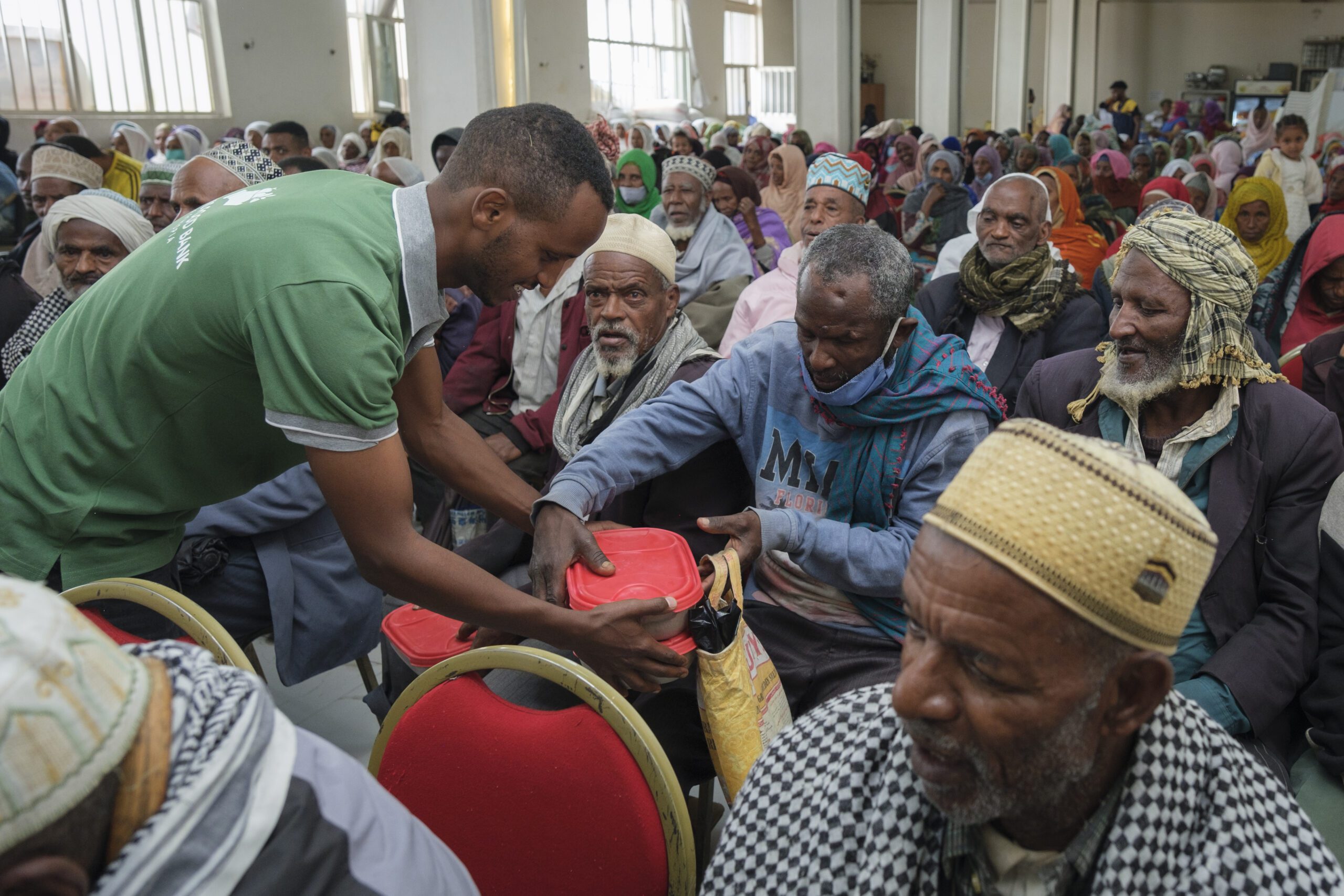
Across the Accelerator program, food banks grew and adapted to meet the needs of their communities. In Indonesia, Aksata Pangan’s impact grew exponentially in 2025, distributing 34,000 kilograms of food — an increase of more than 350% from 2024. This was made possible by investments in logistics capabilities, including their first food bank-owned vehicle. In Malaysia, The Lost Food Project increased distribution by 49% over 2024, through investments in staffing capacity, like the hire of a full-time food rescue staff member to explore new food donor opportunities and strengthen existing relationships. Driven largely by agricultural recovery, It Rains Food Bank of Ethiopia increased food recovered by 201%, or 130,000 kilograms, allowing them to improve service while reaching an additional 6,000 people, a 45% increase.
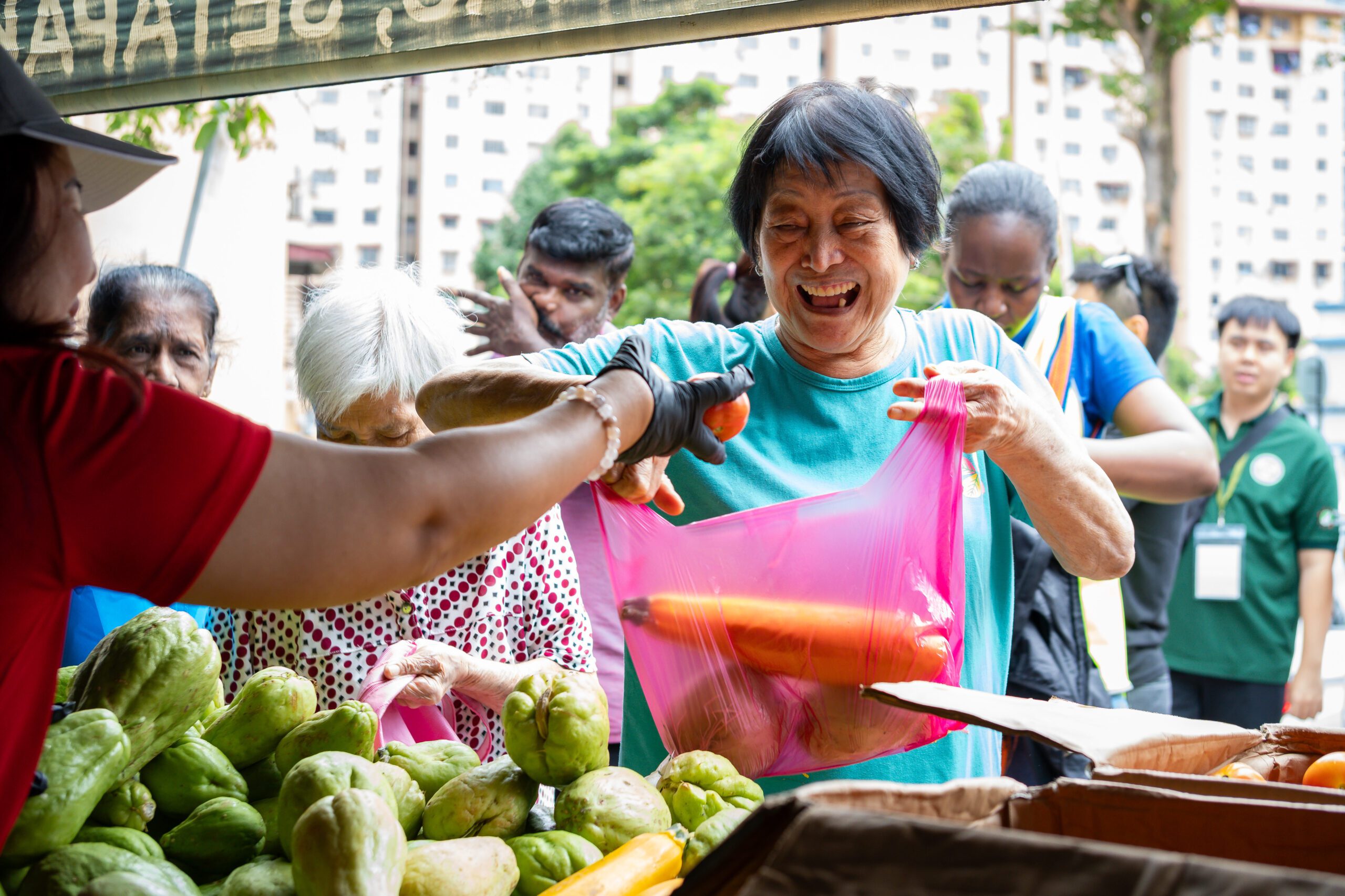
To reach people facing hunger, food banks must grow, innovate and adapt. The Accelerator is a tested and effective way to strengthen and scale food banking operations in community facing food insecurity. On average, food banks can expand to serve 50,000 to 100,000 more people over a four-year period on such a structured pathway. Our goal is to reach 1.2 million people with nutritious food by 2028 for the second cohort of the Accelerator.
Your support can help newer food banks reach their full potential faster as we move toward our vision of nourishing people and the planet together.
To explore ways that you or your business can partner with GFN and food banks, please contact us at development@foodbanking.org.