Recent reports of cyclospora infections linked to fresh produce in the United States have renewed public attention on food safety. While foodborne illness outbreaks can understandably raise concerns, they also highlight the shared responsibility of maintaining robust food safety systems across the entire food supply chain, including among food banks.
At The Global FoodBanking Network (GFN), food safety is foundational to our mission. Unsafe food disproportionately affects vulnerable populations, including women and children, migrants and people experiencing homelessness, and communities affected by crisis and conflict. These are often the same populations already facing food insecurity and who should not have to bear the additional burden of worrying whether the food available to them is safe to eat.
Across our global network, member food banks take extensive measures to ensure proper food handling, storage and distribution practices from the moment food is received until it reaches people who need it. Food banks are not simply collection and distribution points. They are professional organizations that operate with rigorous standards designed to protect both the quality and safety of the food they provide.
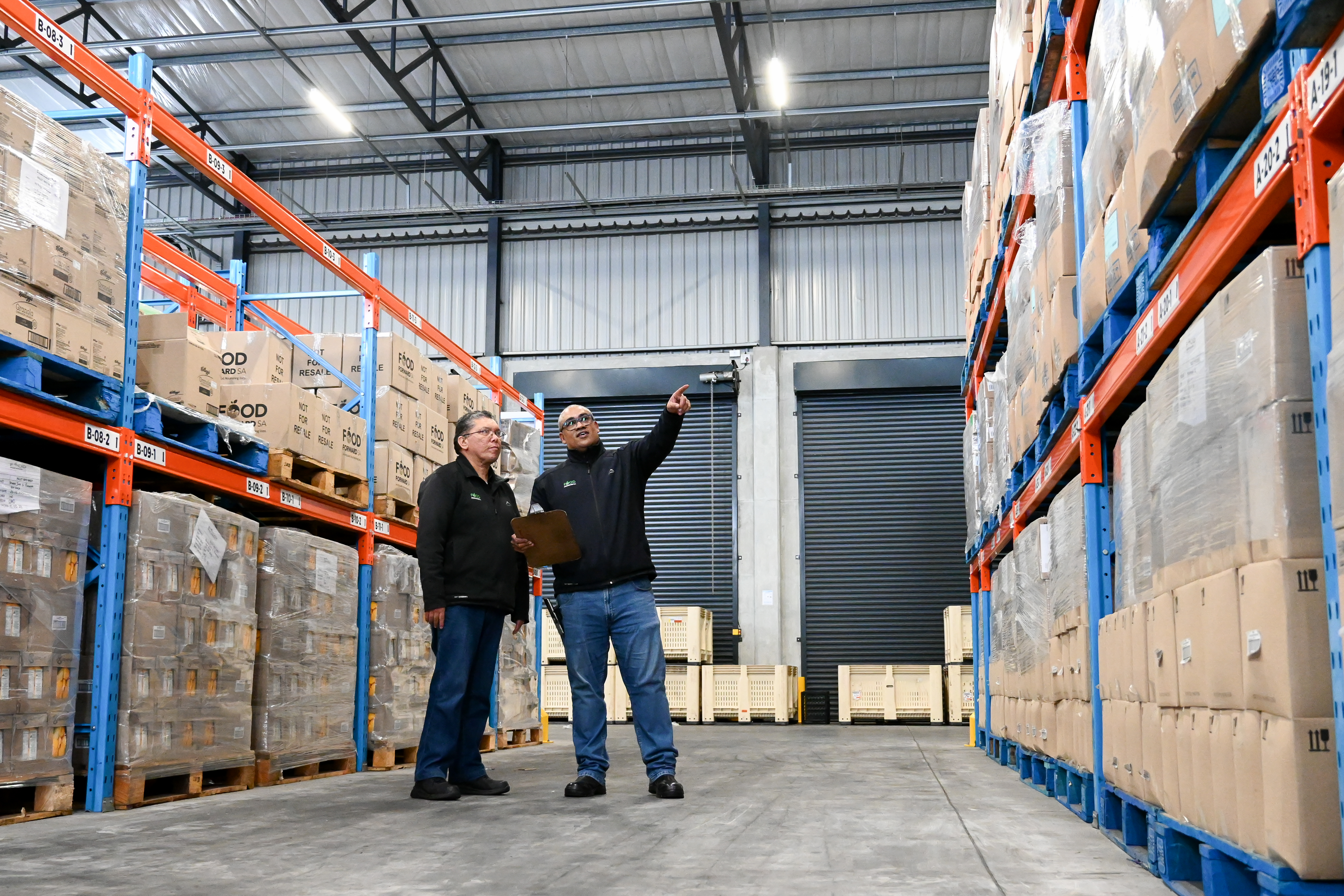
Every GFN member food bank is expected to maintain food safety practices that meet local regulations and align with GFN’s operational recommendations and standards. Food safety is built into how food banks operate every day, guiding decisions about receiving, inspection, storage, transportation and distribution.
As part of GFN’s Certification process, member food banks must demonstrate compliance with food safety requirements and participate in ongoing monitoring and evaluation. GFN regularly reviews food safety practices and provides technical assistance to help food banks strengthen their systems and address operational challenges. For example, GFN works with food banks to optimize warehouse layouts that promote safe food storage, reduce contamination risks and ensure proper product rotation. Technical assistance may also include guidance on food repackaging processes, inventory management, temperature controls, sanitation procedures and staff training.
That said, food safety is a continuous process of improvement. Food banks routinely inspect incoming donations, reject inedible or unsafe donations, monitor storage conditions, maintain cleaning and sanitation protocols, and train/retrain staff and volunteers in best practices for safe food handling.
In 2022, GFN launched a pilot food safety program in Latin America, providing participating food banks with intensive training on topics such as safe food handling and processing, cleaning and hygiene practices, pest prevention, and food safety management systems. Members met regularly to share experiences, strengthen capabilities and build a culture of continuous improvement.
Following training and a series of self-assessments, participating food banks prepared for rigorous inspections conducted by AIB International, a globally recognized leader in food safety auditing. Achieving this type of benchmark helps demonstrate that food banks can operate according to internationally recognized standards that are comparable to those used by major food manufacturers and multinational food companies.
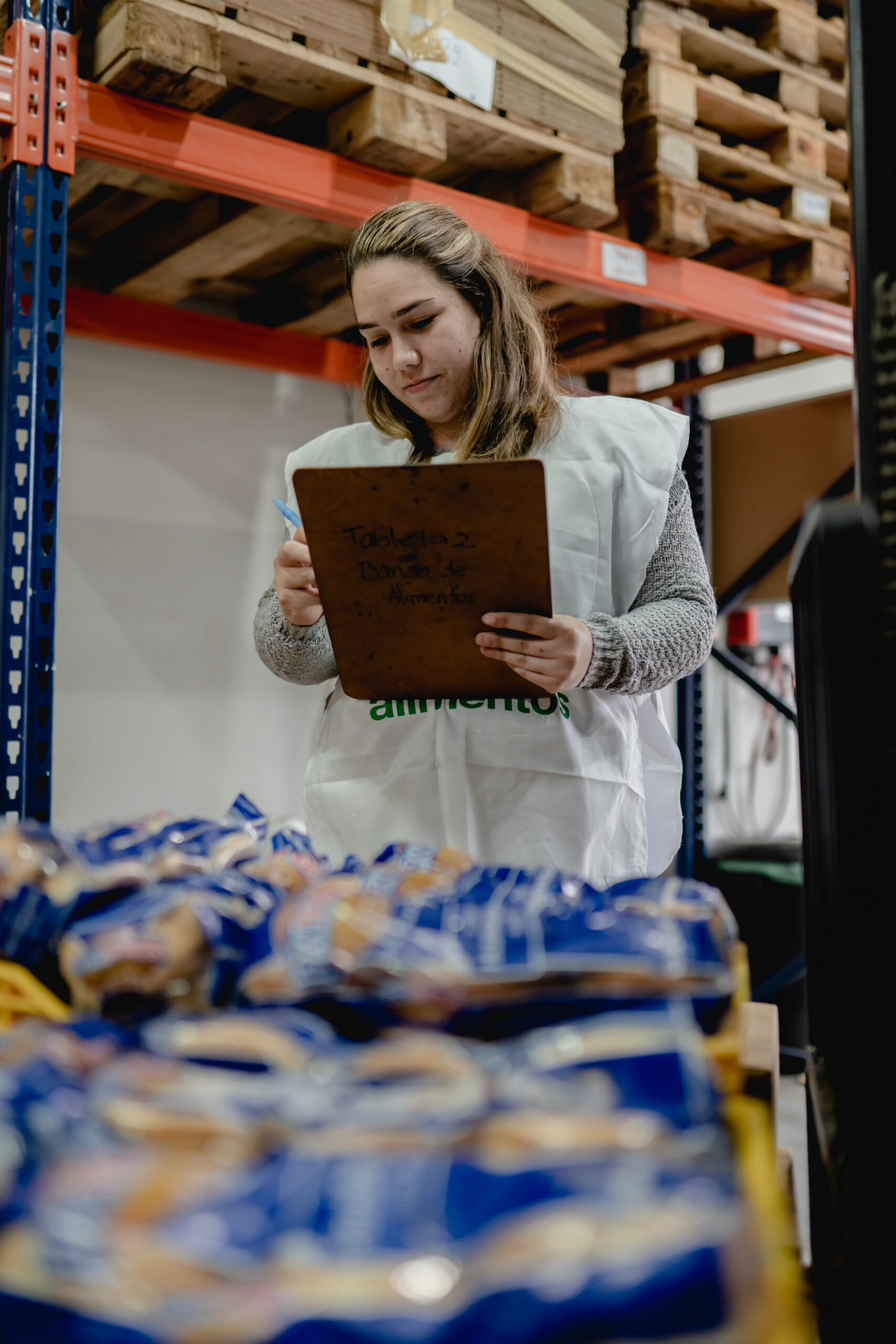
As a result of this program, what began as a pilot initiative in Latin America has evolved into a global effort that now strengthens food safety capacity across three GFN regions. Today, 28 food banks and three national networks across Latin America and the Caribbean, Africa, and Asia Pacific actively participate in the program, benefiting from more than 70 training sessions and over 200 individuals trained in food safety. Through programs like these, GFN continues to invest in the systems, knowledge and infrastructure that help ensure donated food remains safe and suitable for consumption.
Food safety is non-negotiable for food manufacturers, retailers, wholesalers and agricultural producers — no one will support a business if their goods make customers sick. Companies work hard to protect their brands and maintain consumer trust, and they need confidence that donated products will be handled responsibly after they leave their facilities.
Food banks understand this responsibility.
Across the GFN network, food safety protocols are designed to preserve the integrity of donated products for the consumer and the donating company. Throughout the distribution process, food banks inspect donations upon receipt, reject those that don’t meet strict specifications, monitor storage conditions, follow inventory management procedures and maintain traceability systems where appropriate. In the case of a recall, these inventory management systems allow the traceability needed to ensure those items never get distributed. And it’s common practice for food banking organizations to conduct regular staff and volunteer training to ensure consistent adherence to food safety requirements.
These systems create important safeguards that help protect donors, recipients and communities alike. They also enable businesses to redirect surplus food with confidence, knowing that products will be managed according to professional standards.
This trust is especially important at a time when food insecurity and food waste continue to coexist on a massive scale. Millions of people struggle to access enough nutritious food, while significant quantities of safe, edible food are lost or discarded throughout the supply chain. Food banks play a critical role in bridging that gap, and food safety is what makes that work possible.
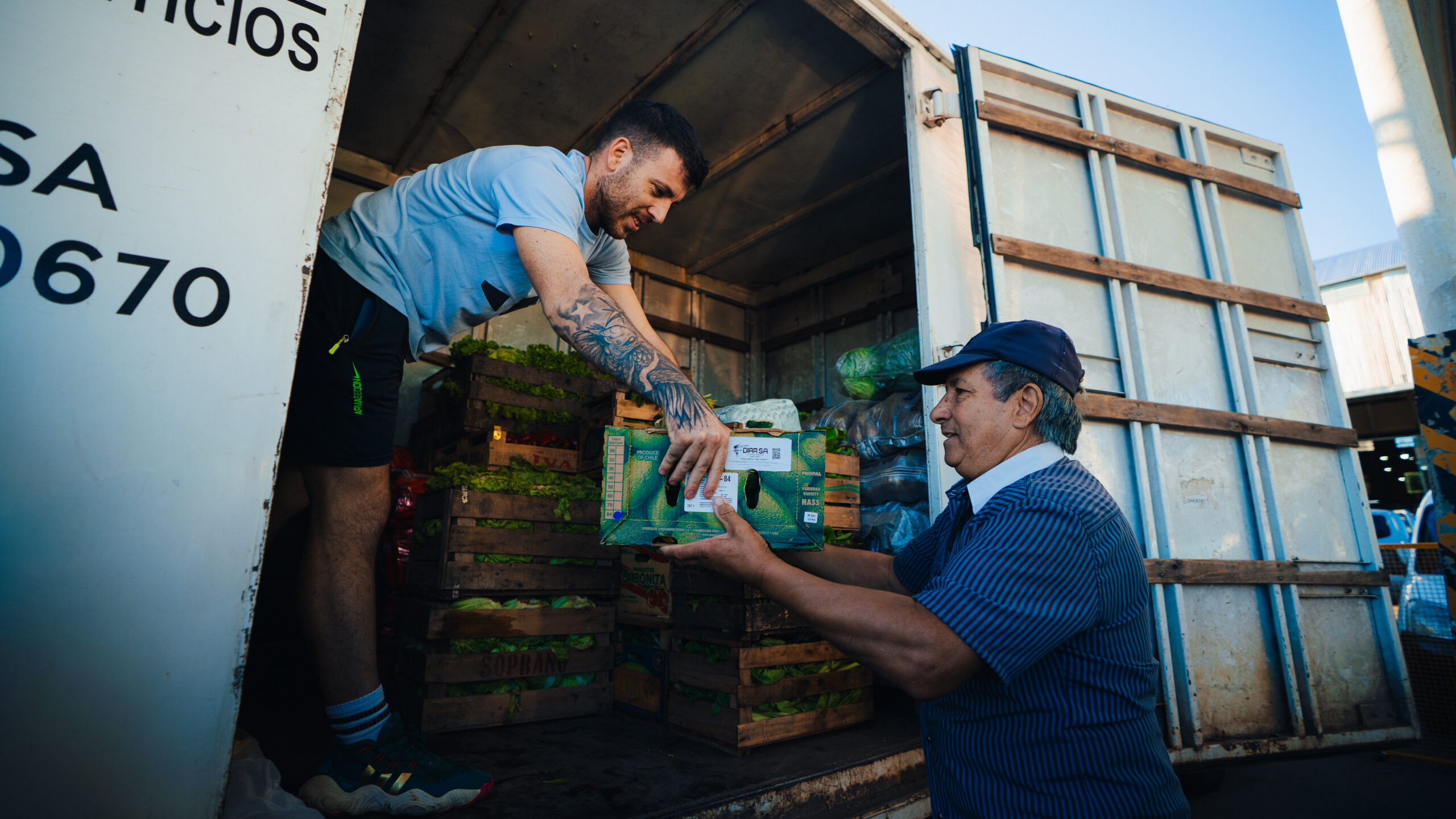
Food safety concerns and outbreaks in the news remind us that our vast, interconnected food supply requires vigilance at every critical control point. However, this should not discourage people from trusting food provided through reputable food banks nor companies from donating surplus products to hunger-relief organizations.
The Global FoodBanking Network and its member food banks are committed to maintaining high standards for food safety, investing in training and infrastructure, and continuously improving their operations. These efforts help ensure that food reaching individuals and families is handled with care, professionalism and accountability.
Contact our team if you would like to learn more about how The Global FoodBanking Network supports food safety around the world and discover how your company can help expand access to safe, nutritious food while advancing sustainability goals through strategic food donation partnerships.