Originally published on August 23, 2023. Updated on July 28, 2026.
Food banks respond to the needs of their communities, in whatever ways necessary — and that often means finding new, agile and innovative ways to make sure everyone has access to food.
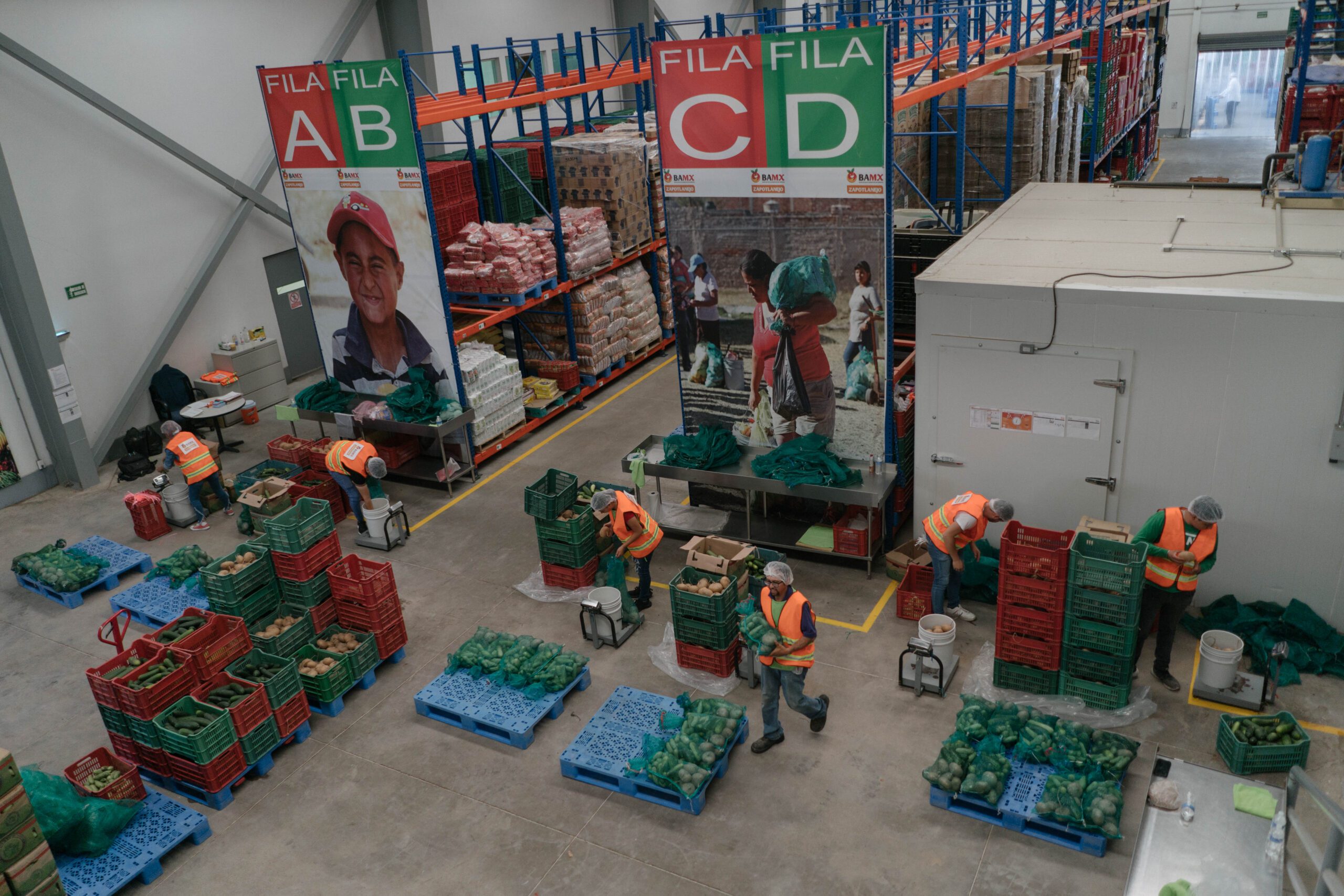
In the most common model of food banking, the work is carried out all along the supply chain by collaborating with producers, processors and manufacturers, distributors, and retailers to identify what food is available. The food bank sorts, selects and stores the food safely, then delivers that food to community service organizations that ensure it’s given to people who need it. In this way, food banks act as connectors, and they take on the responsibility of transportation and storage during that service. That means food banks usually need a fleet of vehicles, warehouse space and cold chain to operate.
Although that model has been very effective for a great many food banks over the last 50 years, newer models are emerging around the world that are more effective for food banks are at certain stages of development or more suitable for their local operating context.
Budget is often a constraint, especially for early-stage food banks in areas where capital is scarce. A large investment in infrastructure may not be feasible for all food banks, particularly in early stages. As of 2025, 61% of members of The Global FoodBanking Network (GFN) had a budget less than US$1 million.
GFN continually monitors and evaluates the landscape of food banking to help food banks identify and scale proven models across diverse markets while navigating any challenges they might face.
Innovative supply chain models are both low cost and low infrastructure, offering dynamic alternatives in resource-constrained environments.
Some of the agile food banking models used in the network include:
These models are expanding across the network, particularly virtual food banking, which accounts for 8% of the network’s total distribution.
Virtual food banking is sometimes called “direct collection” because it allows people with surplus food to provide that food directly to either people facing hunger or the community agencies that distribute food. The model often takes advantage of existing technology to make those connections.
A food bank using the virtual approach finds, through a variety of methods, those who have wholesome surplus food, then it lets those groups know which approved people or agencies are nearby and accepting food. In some cases, the company drops the food off, but in most cases, the community organization might pick the food up to distribute. In either case, food banks are again acting as connectors, identifying surplus food along the supply chain and working with organizations to provide that food to those who need it.
With fewer logistics issues, food banks might also be able to expand services more quickly to areas of high food insecurity that are difficult to travel to or far away. And a food bank that doesn’t have to concentrate on in-person collection, storage and delivery frees up hours to devote to other activities, like dedicated hunger programs or finding even more partners who have surplus food to contribute. And virtual food banking also allows more frequent collection from the same location, which can lead to serving as a more responsive partner in helping food companies reach food waste reduction targets.
If a food bank is connecting food donors to people or agencies that are close in proximity through virtual food banking, that might also cut down on overall fuel miles, which means fewer greenhouse gases produced through transportation. And that food might also get to where it’s needed a little bit more quickly since the distance traveled is shorter.
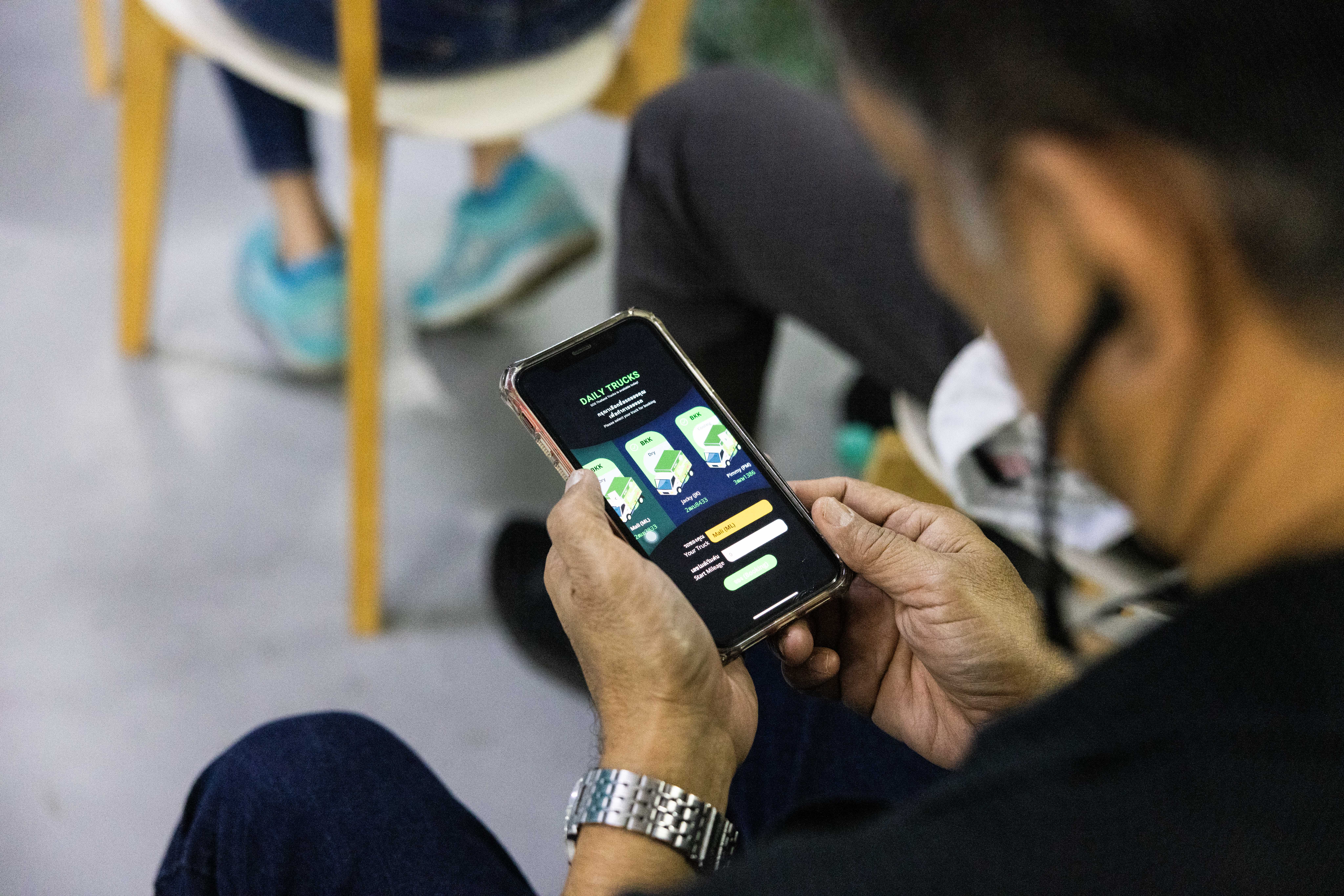
In the most basic cases, food banks can connect those with surplus food to those who need it through methods as simple as a phone tree or a shared spreadsheet. But in the last few years, food banks are increasingly using applications and other sophisticated technology to make these connections.
For example, a company might input the types and quantities of surplus food they have and when that food will be available into a virtual food banking app. The app can then take the information it has about participating community agencies — their operating hours, location, and programs available, as well as the number of people they serve — and notify them about the details of the food to be picked up nearby.
Where is virtual food banking currently in use?
In 2025, 27 food banks, or more than a third of GFN members, operated virtual food banking programs — up from less than 5 percent just four years ago.
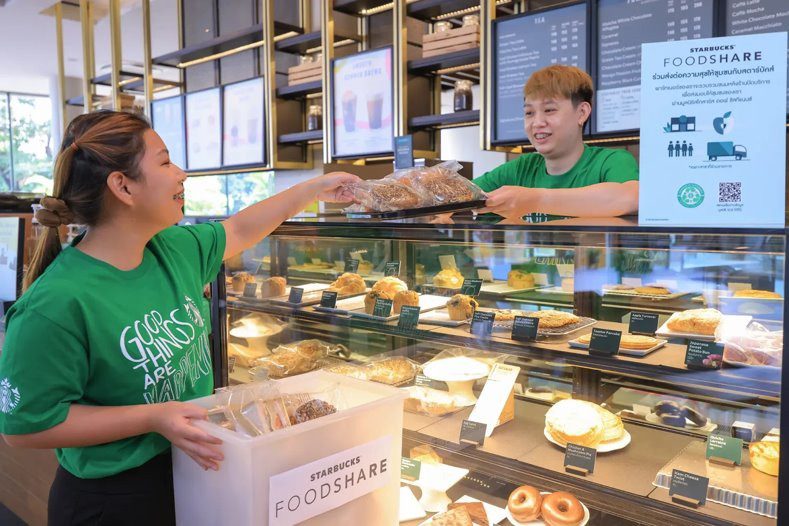
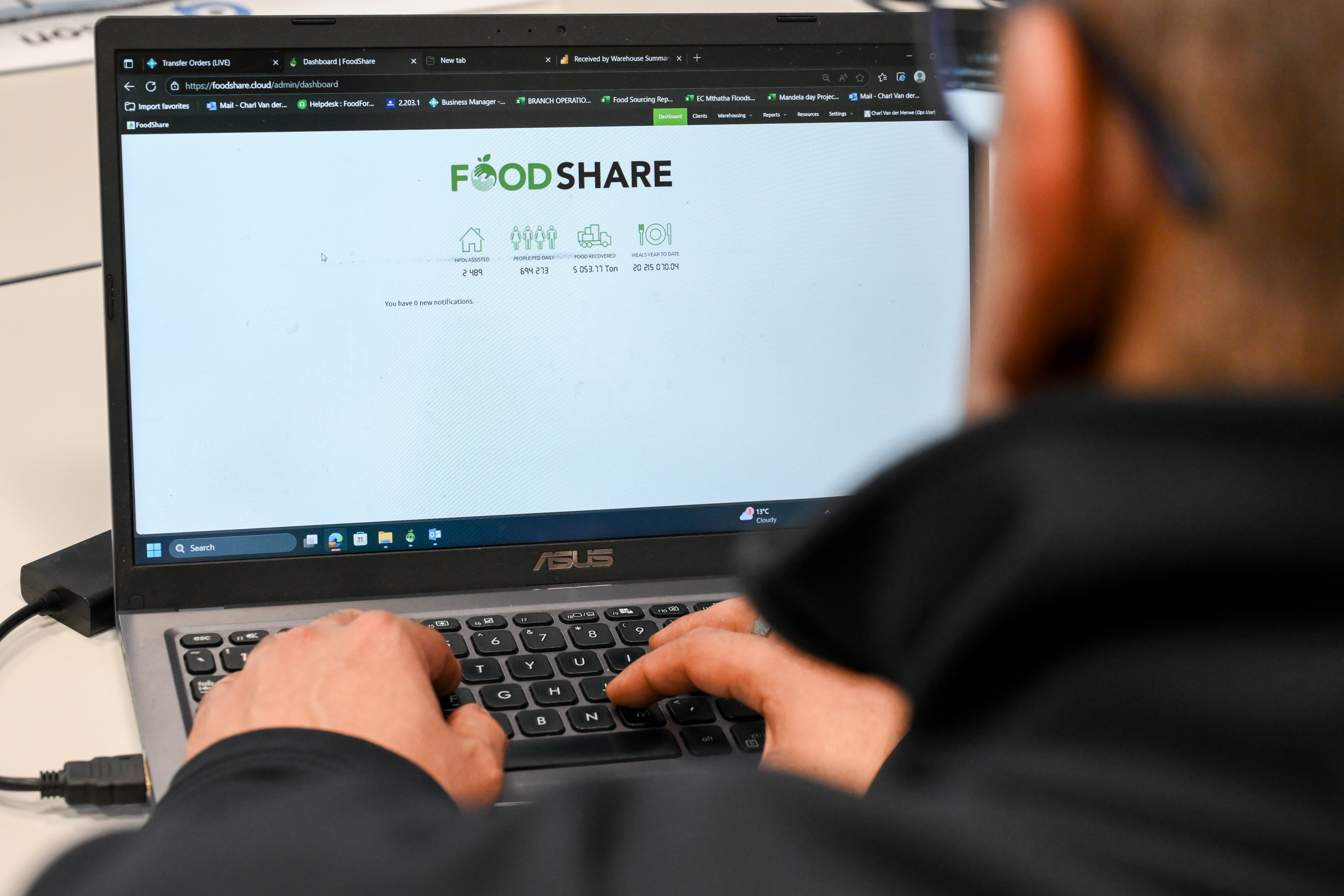
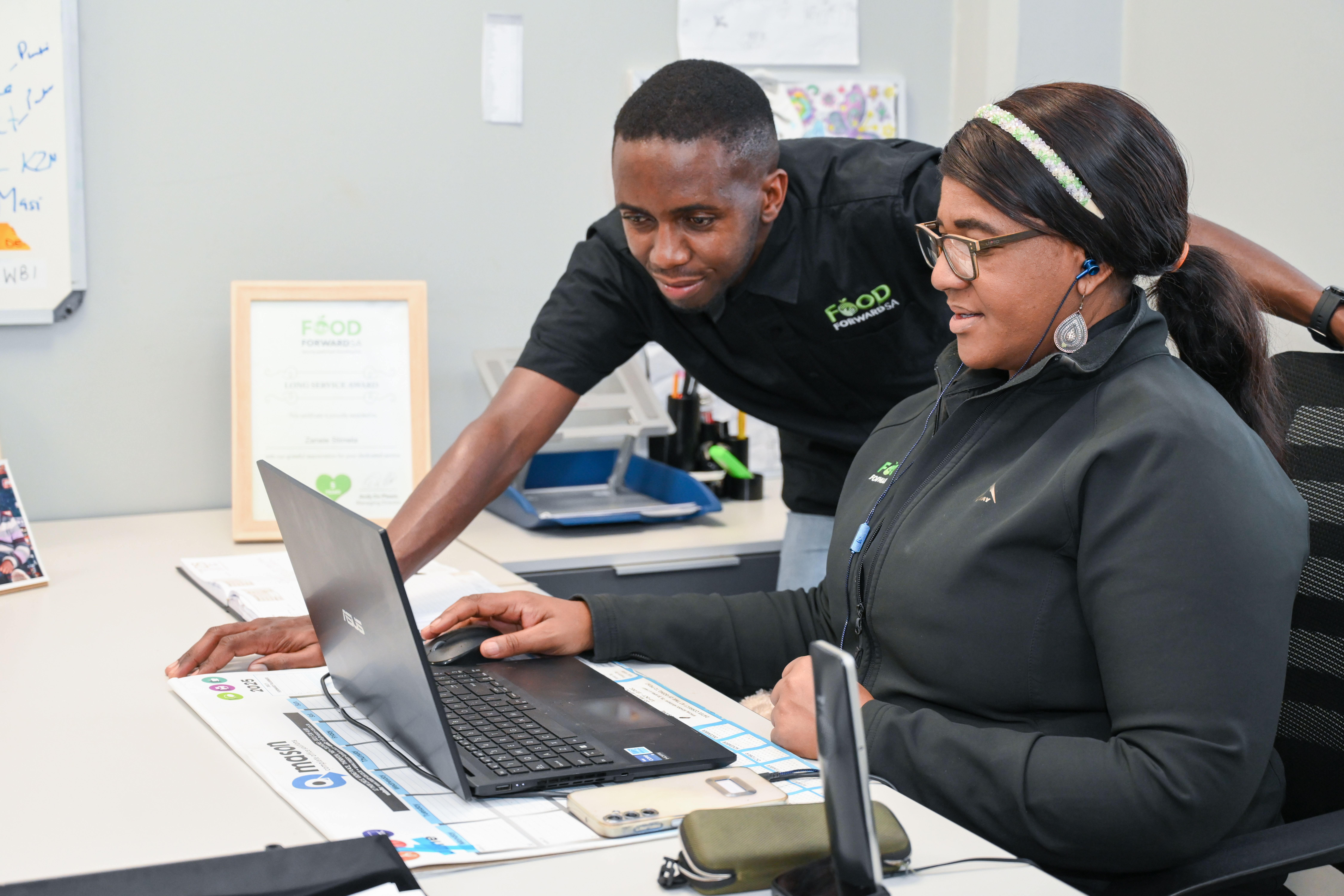
GFN member Red de Alimentos Chile is one of the early adopters of virtual food banking technology, as they created a system for retail recovery in 2010. But they actually shifted the focus of the app to recover agricultural produce in locations far away from their main location in Santiago. In 2022, the food bank organization provided 12 million kilograms of food to 262,000 people through virtual food banking. Likewise, GFN member FoodForward South Africa developed an SMS-based app called FoodShare at the end of 2016 to increase partnerships with food retailers.
In the coming years, the prevalence and role of newer food banking models is only likely to increase, and GFN is committed to helping member food banks navigate the field. We’ll continue to monitor the landscape of virtual food banking to ensure that food banks around the world have the resources they need to respond efficiently and effectively to the needs of their communities.