
Around the world, businesses are rethinking how they contribute to stronger communities and more sustainable food systems. What was once viewed primarily as a challenge for food producers and charitable organizations is increasingly being recognized as a shared opportunity — one that invites expertise and collaboration from a wide range of industries.
Across The Global FoodBanking Network (GFN), partners are finding innovative ways to contribute. Some are helping move food more efficiently through supply chains. Others are investing in infrastructure, supporting food recovery programs or connecting employees with volunteer opportunities. In many cases, these collaborations are creating value for communities first but also the businesses themselves.
Here are five industries that are helping shape the future of food banking.
Hotels operate at the intersection of food service, logistics and guest experience. That makes them uniquely positioned to support food banks in several ways.
Across GFN’s network, hospitality companies are exploring how food recovery can help reduce waste while supporting local communities. Some have worked with food banks to redirect surplus food from events, conferences and food service operations. Others have provided funding and volunteer support to local suppliers and community organizations.
One recent hospitality collaboration focused on identifying opportunities for food recovery across multiple markets while engaging employees in hands-on volunteer experiences with local food banks. The partnership highlighted an important reality: hospitality companies often have deep expertise in inventory management, food safety and operations that can help strengthen food recovery efforts beyond individual donations.
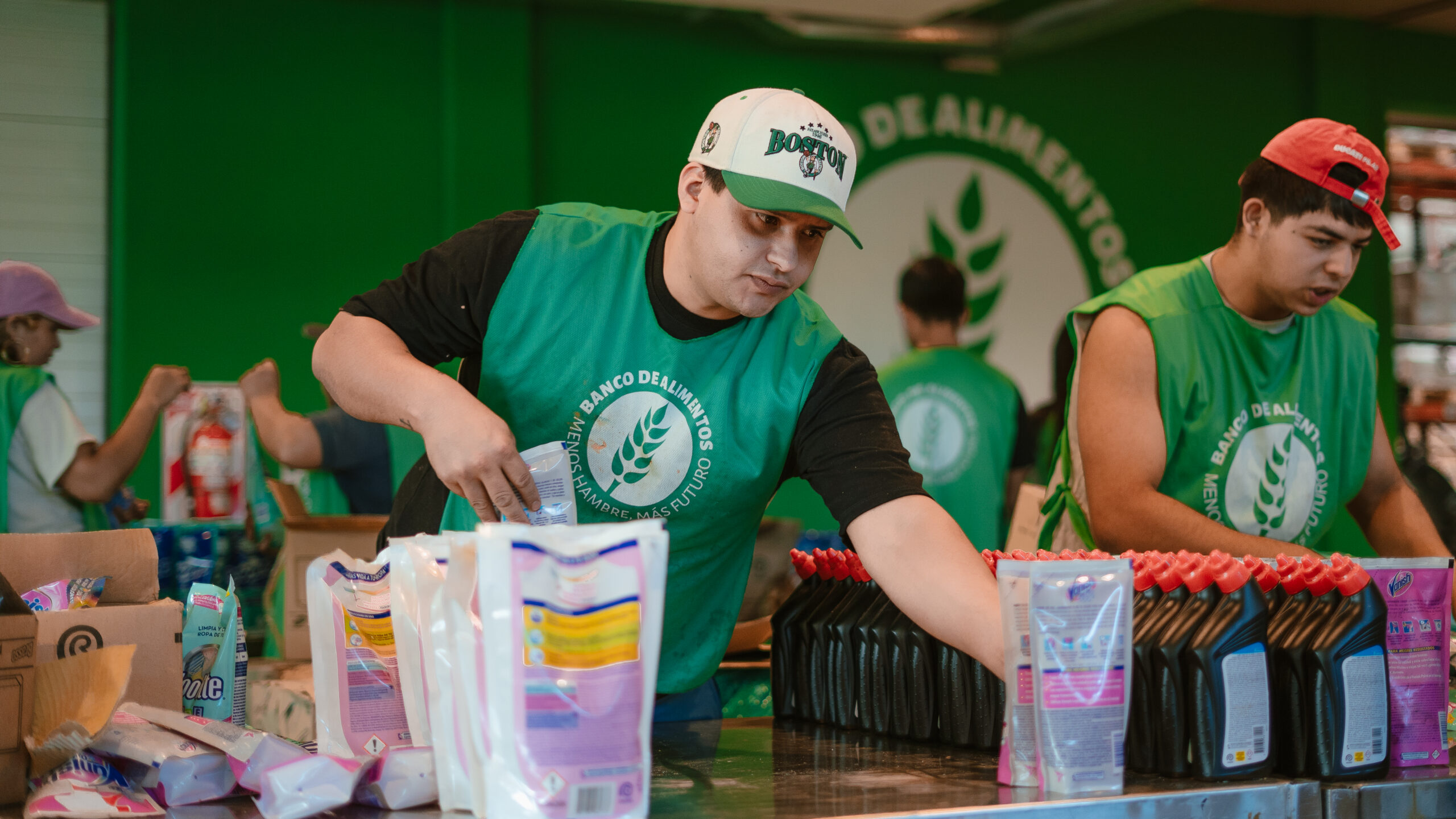
As consumer expectations around sustainability continue to grow, many hospitality companies are recognizing that food recovery can support both environmental goals and community impact objectives.
Airlines are built around moving people and goods efficiently across borders. Increasingly, they are bringing that same mindset to community impact.
In several markets, airlines have partnered with food banks to support warehouse volunteering, food sorting activities and community engagement initiatives. These efforts help food banks increase operational capacity while giving employees an opportunity to connect directly with local hunger-relief efforts.
Beyond volunteerism, the aviation sector has a unique understanding of logistics, supply chains and network coordination. As food banks continue expanding food recovery efforts across increasingly complex supply chains, lessons from transportation industries can offer valuable insights.
The result is a partnership model that combines local action with global reach.
Financial institutions have long played an important role in supporting communities through philanthropy. Increasingly, many are looking beyond traditional grantmaking to invest in long-term resilience.
Food banks are critical community infrastructure. They help communities respond to natural disasters and other disruptions while providing consistent access to food for vulnerable populations. For financial institutions focused on economic mobility and community well-being, this creates a natural alignment.
Recent collaborations have supported food banks in expanding storage capacity, strengthening operational systems, and increasing their ability to recover and distribute nutritious food. In several regions, investments have also supported technical assistance and capacity-building programs that help emerging food banks become more effective and sustainable over time.
These partnerships demonstrate how strategic philanthropy can create benefits that extend far beyond immediate food assistance. By strengthening the organizations that serve communities every day, financial institutions can help build more resilient local food systems for the future.
Few sectors have transformed food recovery more directly than cold chain and logistics.
Many of the most nutritious foods, including fresh produce, dairy products, and proteins, require temperature-controlled storage and transportation. Without reliable cold chain infrastructure, much of this food would never reach the people who need it.
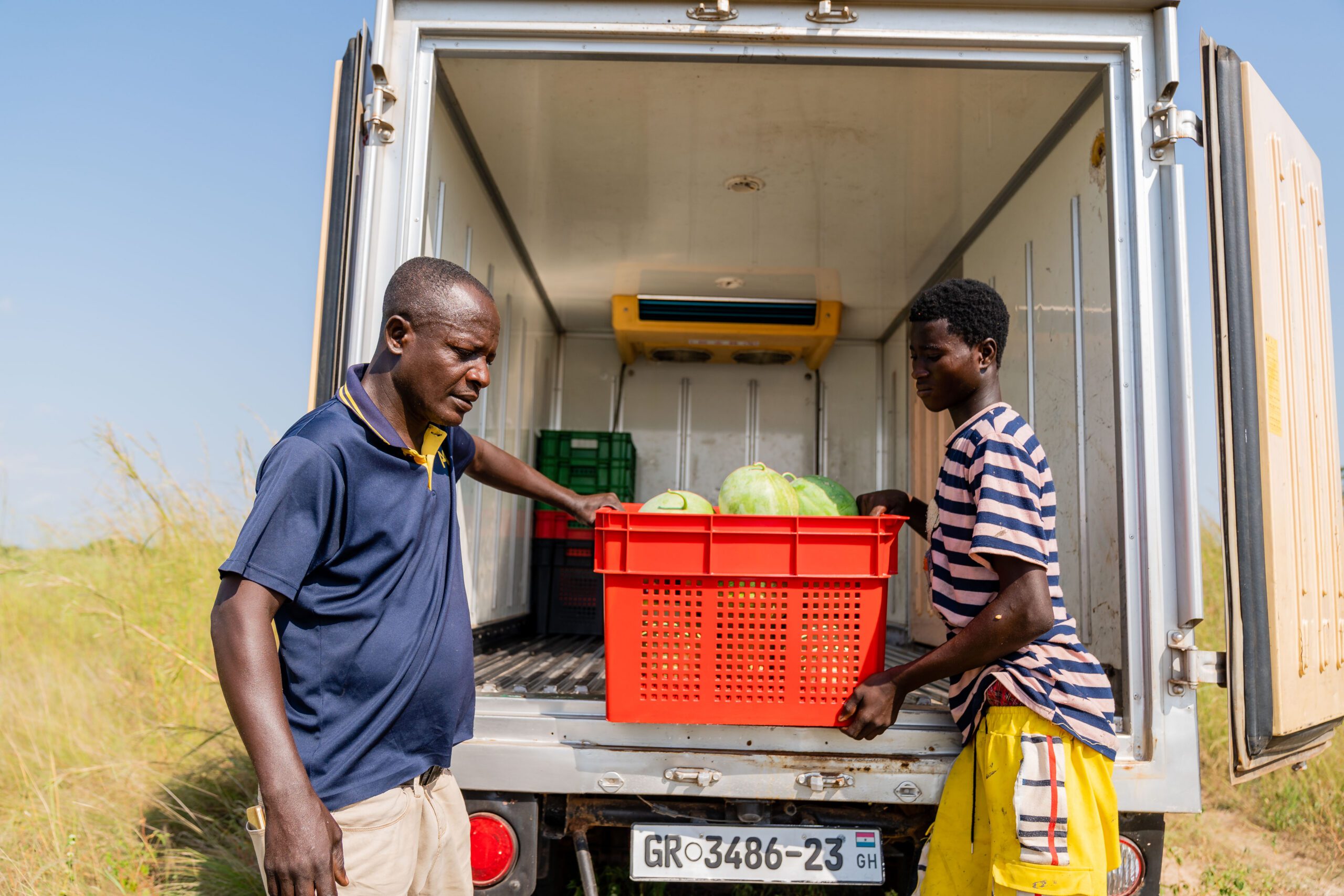
In one case, Emergent Cold Latin America partnered with GFN to strengthen food recovery infrastructure, enabling member food bank Desarrollo en Movimiento in Guatemala to safely handle larger volumes of perishable food.
These partnerships demonstrate that reducing hunger is not only about having food available. It is also about having the systems and infrastructure needed to move food efficiently and safely from where it is available to where it is needed.
As food recovery continues to grow globally, logistics partners will remain essential to scaling impact.
Food manufacturers have always been important partners for food banks, but their role is evolving.
Today, many manufacturers are exploring new ways to reduce waste while increasing access to nutritious food. Beyond traditional product donations, some are working with suppliers, distributors and food banks to identify creative uses for surplus ingredients and products.
Such collaborations, like the partnership between Brambles and GFN, can unlock food that might otherwise be lost due to packaging changes, forecasting challenges or market fluctuations. They also help companies advance sustainability commitments while supporting communities.
Rather than viewing surplus as waste, these partnerships treat it as a valuable resource that can create social and environmental benefits.
This approach reflects a broader shift taking place across the food system. Increasingly, companies are recognizing that food recovery is not simply a charitable activity. It is a practical strategy that helps address food insecurity, reduce waste and support climate goals at the same time.
The future of food banking won’t be built by food companies alone. It will be built by logistics teams who know how to move perishables at scale, hospitality groups who’ve mastered inventory and food safety, financial institutions investing in long-term community resilience, and manufacturers rethinking what surplus can become.
Food banking is one of the few causes where companies can turn what they already do well into measurable community impact, while advancing sustainability and ESG goals at the same time.
If your company wants to explore what that could look like, see how your industry can partner with GFN.
Already know you want to get involved? Start a conversation with our partnerships team.