Escrito por Gloria Raimondi, responsable de promoción de políticas de GFN.
Los bancos de alimentos, conocidos por su papel en la seguridad alimentaria, están siendo cada vez más reconocidos por su impacto positivo en el clima. Este reconocimiento se está extendiendo a los gobiernos nacionales, en parte gracias al trabajo de la Red Global de Bancos de Alimentos (GFN).
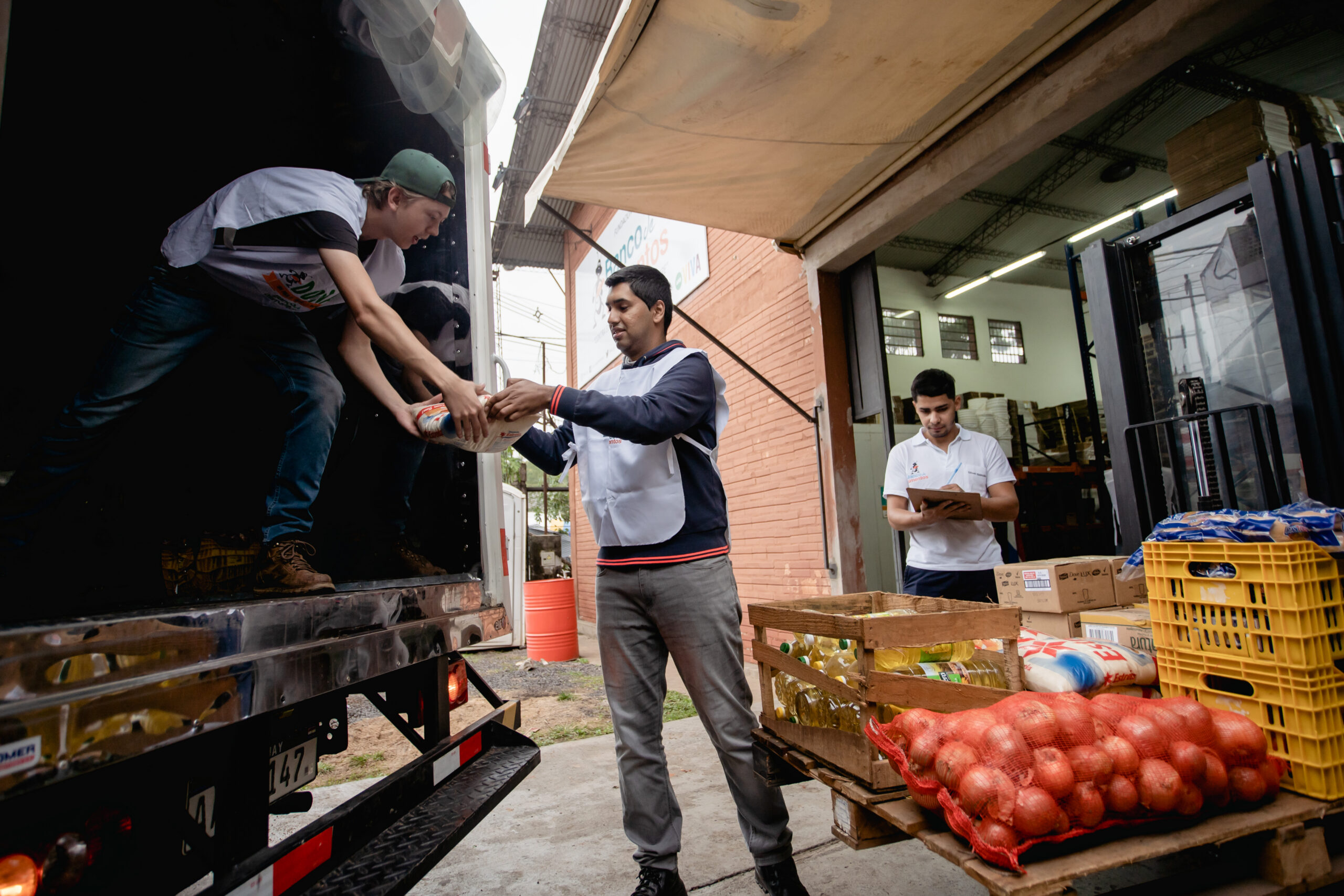
Cuando los bancos de alimentos recuperan alimentos comestibles que de otro modo se desecharían, evitan las emisiones de metano de los vertederos —un gas de efecto invernadero 80 veces más potente que el CO₂ a corto plazo— al tiempo que proporcionan alimentos nutritivos a poblaciones vulnerables.
Algunos países reconocen la importancia de la recuperación y redistribución de alimentos incluyéndola en sus contribuciones determinadas a nivel nacional, o NDC. Como planes oficiales de acción climática de los países, las Contribuciones Determinadas a Nivel Nacional (NDC, por sus siglas en inglés) son herramientas importantes para establecer objetivos claros, compartir conocimientos, movilizar recursos y crear conciencia sobre las prioridades climáticas mundiales.
GFN promueve esta inclusión mediante la colaboración con funcionarios gubernamentales y el apoyo a los bancos de alimentos miembros. El personal de GFN monitorea continuamente los ciclos de actualización de las NDC y otros mecanismos oficiales relacionados con el clima, y luego proporciona datos verificables y propuestas políticas a los representantes gubernamentales. Al mismo tiempo, GFN posiciona a los bancos de alimentos locales como líderes en las relaciones con el gobierno, a través de capacitación, asistencia técnica, acompañamiento y marcos de colaboración, garantizando que el reconocimiento sea propio de la comunidad y perdure más allá de cualquier ciclo político.
GFN MARCO La metodología ha sido fundamental para este trabajo. FRAME cuantifica las emisiones de metano evitadas y los beneficios nutricionales colaterales de la recuperación de alimentos, proporcionando la base científica que los gobiernos necesitan para integrar los bancos de alimentos en los marcos climáticos oficiales.
Recientemente, tras colaborar con GFN y los bancos de alimentos miembros, varios gobiernos nacionales se han comprometido a incluir la recuperación de alimentos en sus Contribuciones Determinadas a Nivel Nacional (NDC) u otros planes climáticos oficiales.
Otros países están centrando su planificación oficial en la pérdida y el desperdicio de alimentos en general.
El reconocimiento gubernamental formal de los bancos de alimentos como actores climáticos no solo representa un hito político, sino que también es clave para acceder a mecanismos de financiamiento climático que antes les eran inaccesibles. Por ejemplo, el reconocimiento del Banco de Alimentos de Quito por parte de Ecuador les abrió un camino directo hacia la financiación. Gracias a esta validación gubernamental formal, el Banco de Alimentos de Quito obtuvo financiamiento de la ONUDI (Organización de las Naciones Unidas para el Desarrollo Industrial) para modernizar su cadena de frío y sus sistemas de refrigeración.
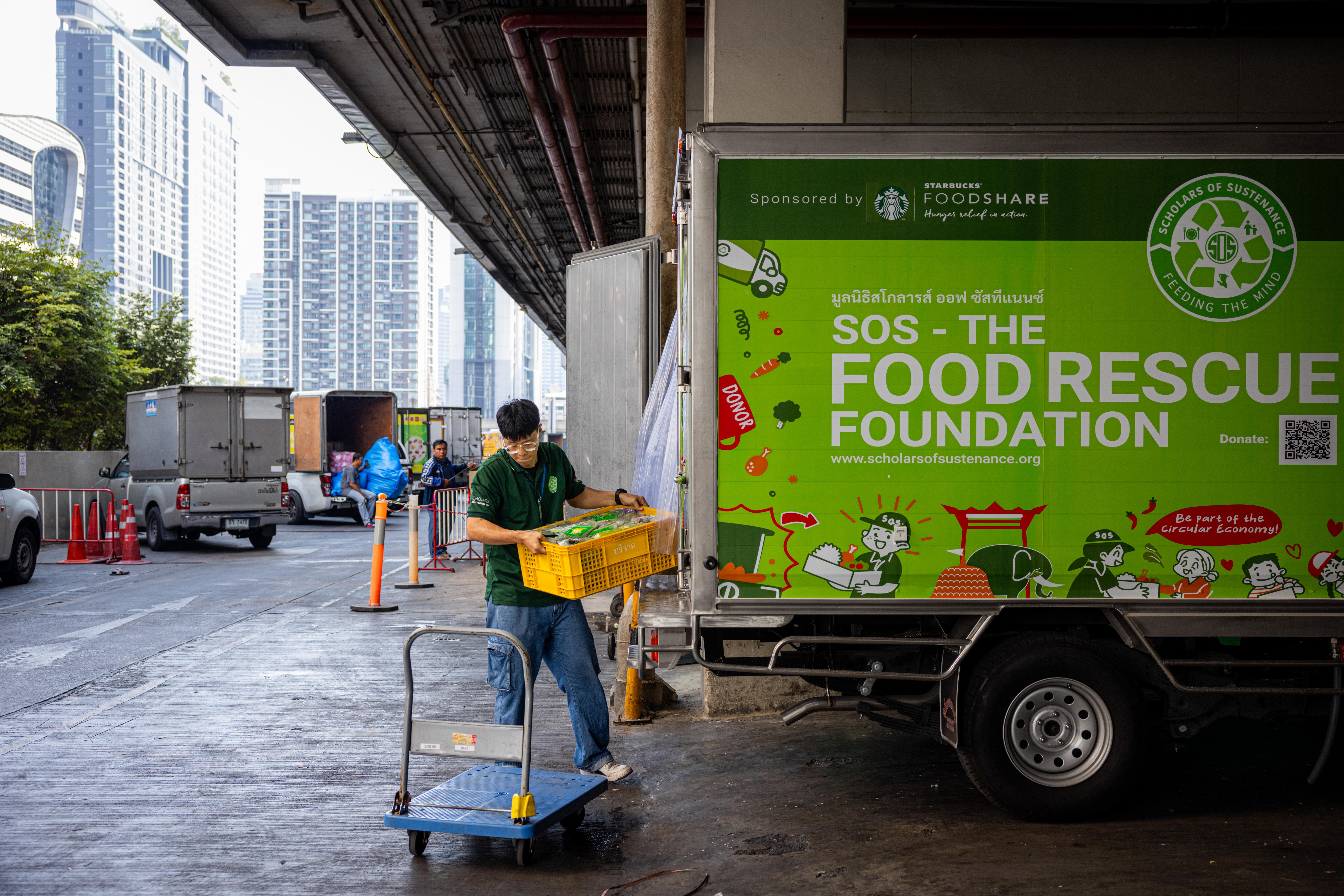
SOS Tailandia ayudó a desarrollar una metodología de carbono para donaciones de alimentos aprobada por la principal agencia pública de Tailandia para la reducción de emisiones de gases de efecto invernadero, lo que abre un camino hacia créditos de carbono y potencial Artículo 6.2 Transferencias.
En Sudáfrica, FoodForward SA se convirtió en el primer banco de alimentos incluido en el Registro de Proyectos de la Plataforma de Financiación para una Transición Energética Justa (JET, por sus siglas en inglés).
Al reconocer formalmente la pérdida y el desperdicio de alimentos en sus compromisos climáticos nacionales, los países se posicionan para desarrollar estrategias de implementación más específicas y efectivas, utilizando las operaciones de recuperación de alimentos como soluciones climáticas.