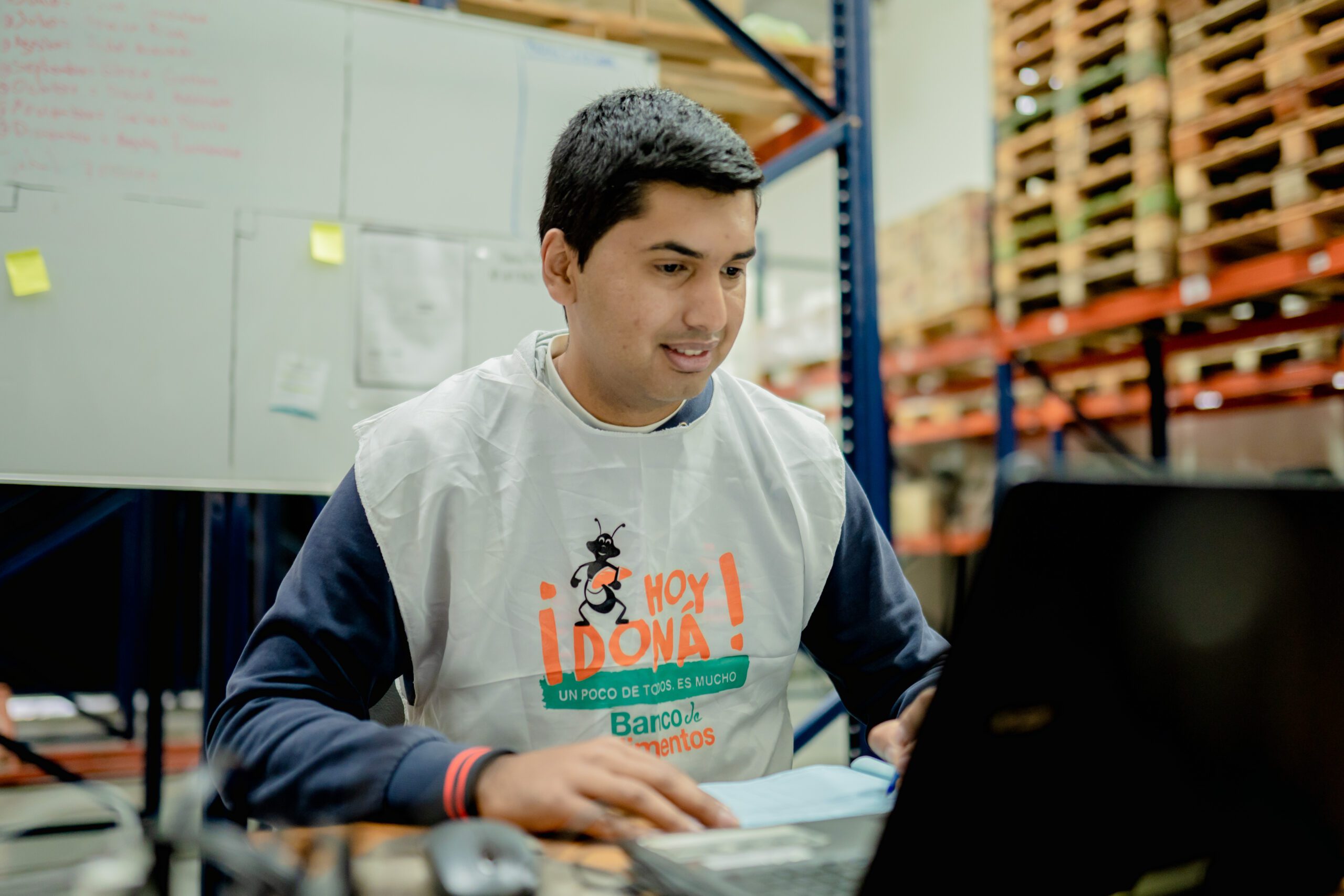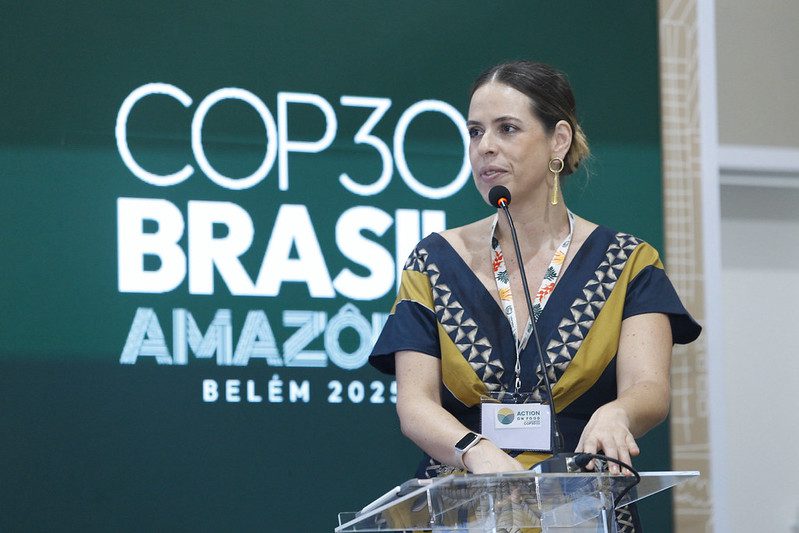
Los bancos de alimentos saben cómo abordar el hambre y el desperdicio de alimentos en sus comunidades, y también saben que un cambio duradero requiere acciones en todo el sistema alimentario.
La Red Mundial de Bancos de Alimentos (GFN, por sus siglas en inglés) impulsa esta importante labor asociándose con bancos de alimentos miembros, responsables políticos y empresas de todo el mundo para promover soluciones sistémicas que amplíen el acceso a alimentos nutritivos, al tiempo que reducen la pérdida y el desperdicio de alimentos.
Aquí presentamos tres maneras específicas en que GFN ayuda a transformar el sistema alimentario para las personas y el planeta.
Los bancos de alimentos reducen el hambre, disminuyen las emisiones y fortalecen las comunidades; sin embargo, hasta hace poco, existían pocos datos para medir y comunicar plenamente estos beneficios. GFN está contribuyendo a cambiar esta situación mejorando la forma en que los bancos de alimentos recopilan y utilizan los datos.
En 2024, GFN introdujo el Metodología FRAME, un nuevo enfoque para medir los impactos ambientales y sociales de los bancos de alimentos. FRAME captura con mayor precisión las emisiones de gases de efecto invernadero evitadas, en particular metano, al tiempo que se documentan reducciones en la pérdida y el desperdicio de alimentos, mejoras en el acceso a los alimentos y otros beneficios colaterales. La metodología se puso a prueba en Ecuador y México, y se expandió aún más en 2025, llegando a bancos de alimentos en Costa Rica, Costa de Marfil, Guatemala, Honduras, Indonesia, Paraguay, Sudáfrica y Tailandia.
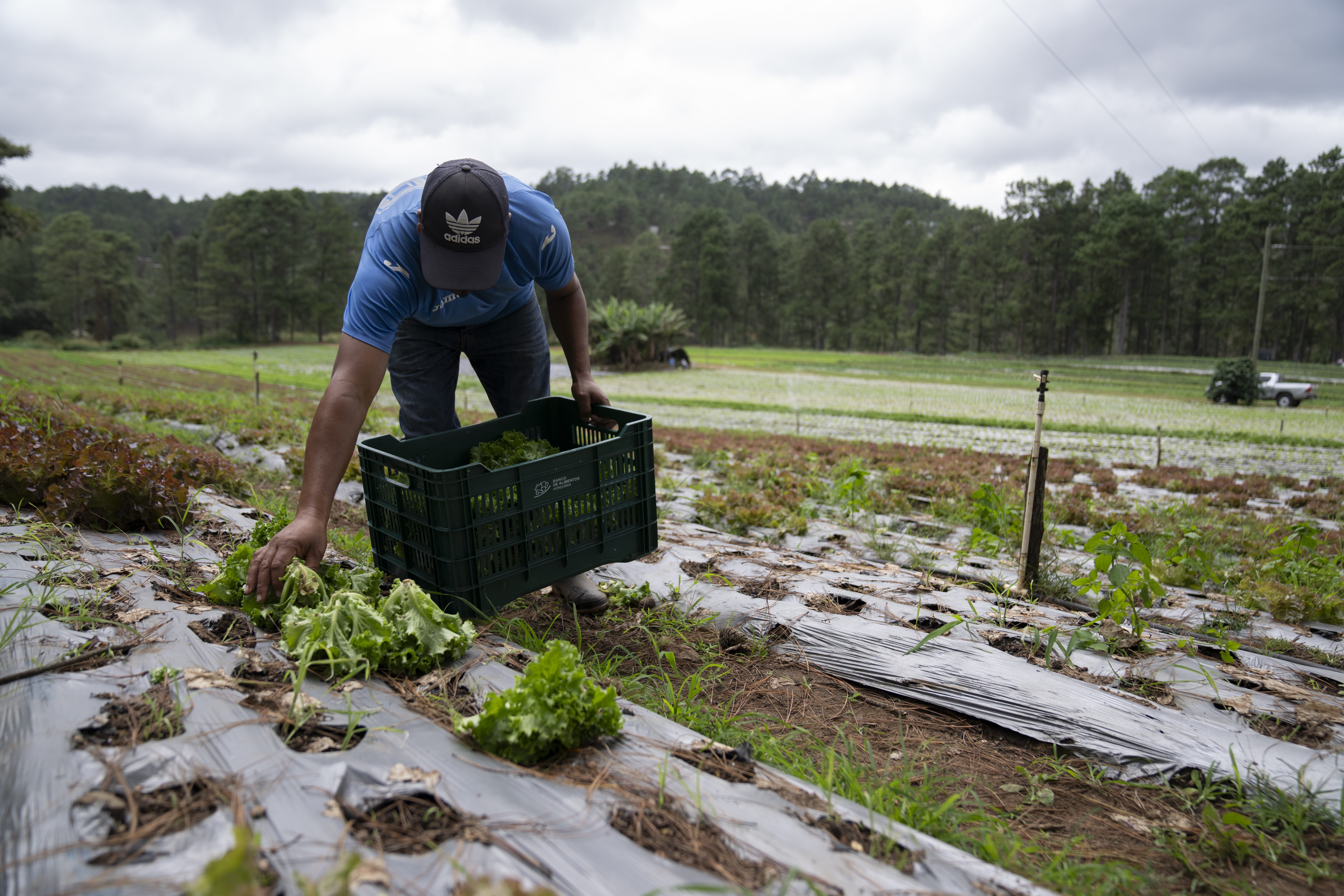
GFN también está impulsando la investigación sobre los beneficios más amplios de los bancos de alimentos. A través de su retorno social de la inversión en el trabajo, GFN descubrió que cada $1 invertido en bancos de alimentos genera entre $4 y $7 en beneficios sociales a largo plazo, incluyendo la prevención de la desnutrición y las enfermedades crónicas. Futuras investigaciones explorarán los impactos ambientales y de género, reforzando aún más la idea de que los bancos de alimentos constituyen una inversión de alto impacto.
El apoyo público a las medidas para combatir la pérdida y el desperdicio de alimentos está creciendo, pero los marcos normativos suelen quedarse rezagados. En muchos países, las leyes obsoletas o inconsistentes limitan la donación de alimentos y ralentizan el progreso hacia la reducción de la pérdida y el desperdicio de alimentos.
GFN trabaja con socios para apoyar políticas gubernamentales que creen incentivos claros para la recuperación y redistribución de alimentos. Desde 2019, GFN se ha asociado con la Clínica de Derecho y Políticas Alimentarias de la Facultad de Derecho de Harvard para desarrollar Él Atlas de Políticas Globales de Donación de Alimentos, que analiza las políticas de pérdida y desperdicio de alimentos en distintos países y Destaca las barreras y las oportunidades de acción..
Desde el lanzamiento del Atlas, más de 24 países han introducido o reforzado leyes para prevenir la pérdida y el desperdicio de alimentos. La siguiente fase de este trabajo ampliará el análisis a otros países y a una gama más amplia de políticas del sistema alimentario, ayudando a los gobiernos a reducir la brecha entre el excedente de alimentos y la inseguridad alimentaria. Este trabajo, en última instancia, allana el camino para una donación de alimentos más eficaz y eficiente por parte de empresas y otras organizaciones.
Las empresas desempeñan un papel fundamental en la configuración del sistema alimentario mundial. Desde la producción y la venta minorista hasta la logística y la nutrición, las compañías influyen en cómo se distribuyen —o no— los alimentos a través de las cadenas de suministro.
GFN se asocia con más de 100 empresas globales y regionales, así como con innumerables productores locales, para ayudar a las empresas a donar más excedentes de alimentos de forma segura y eficiente.. GFN proporciona conocimientos técnicos, ayuda a minimizar los riesgos legales y conecta a las empresas con bancos de alimentos de confianza que pueden distribuir alimentos a las personas que los necesitan.
Al apoyar a las empresas que desean reducir el desperdicio y ampliar el acceso a los alimentos., GFN ayuda a alinear las prácticas comerciales. con los objetivos de alivio del hambre y climáticos, las necesidades de la comunidad y los Objetivos de Desarrollo Sostenible.
La transformación del sistema alimentario requiere una acción coordinada entre todos los sectores. La perspectiva global de GFN, combinada con el liderazgo local y la experiencia de los bancos de alimentos, posiciona a la red para impulsar un cambio significativo a gran escala.
Con apoyo continuo, GFN puede fortalecer la base de evidencia para los bancos de alimentos, impulsar políticas más eficaces y profundizar las alianzas con empresas comprometidas con aliviar el hambre y reducir el desperdicio. Juntos, estos esfuerzos nos acercan a un sistema alimentario que funcione correctamente, nutriendo a las personas y al planeta al mismo tiempo.
Para obtener más información sobre cómo puede apoyar este trabajo, póngase en contacto con Vicki Clarke en vclarke@foodbanking.org.