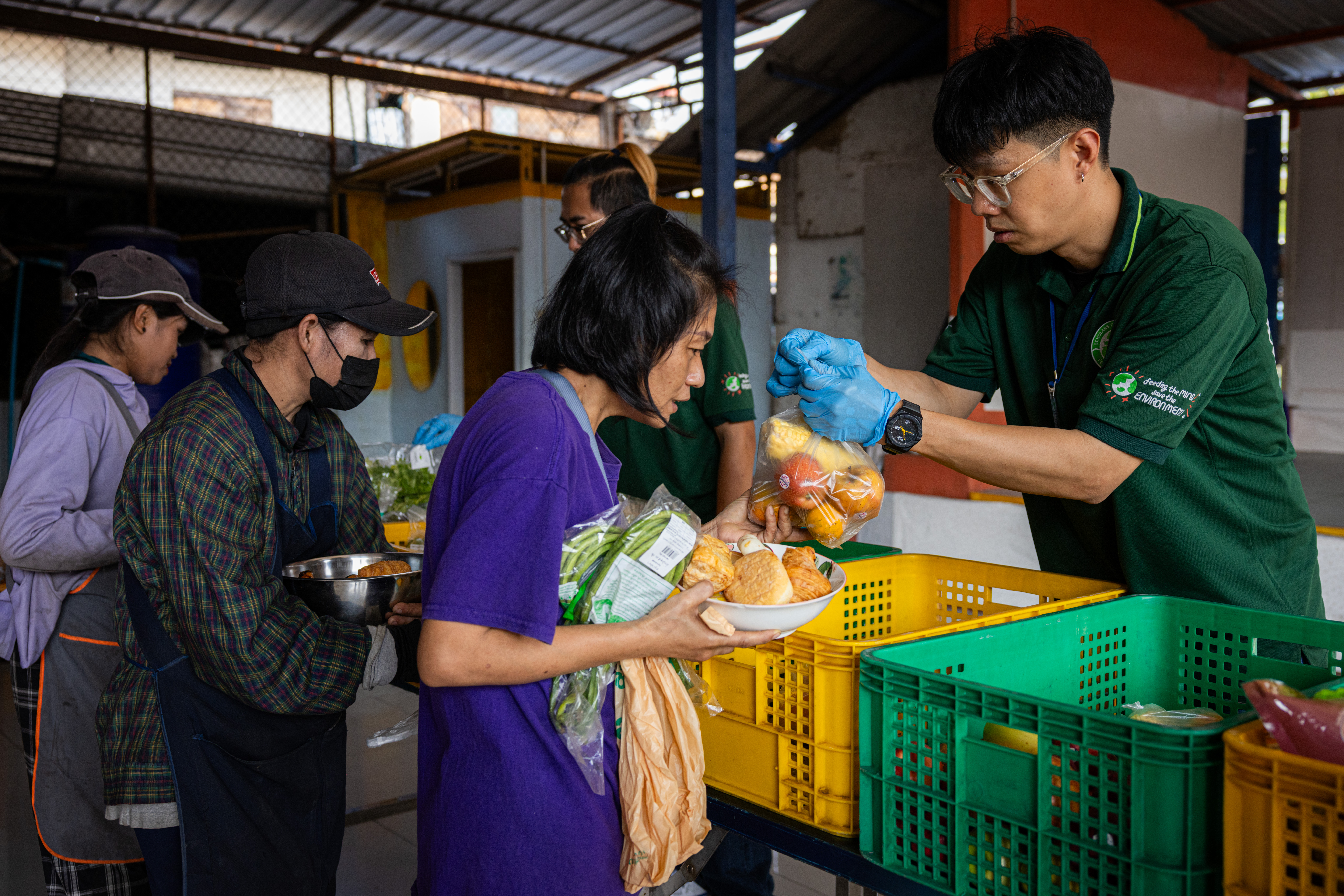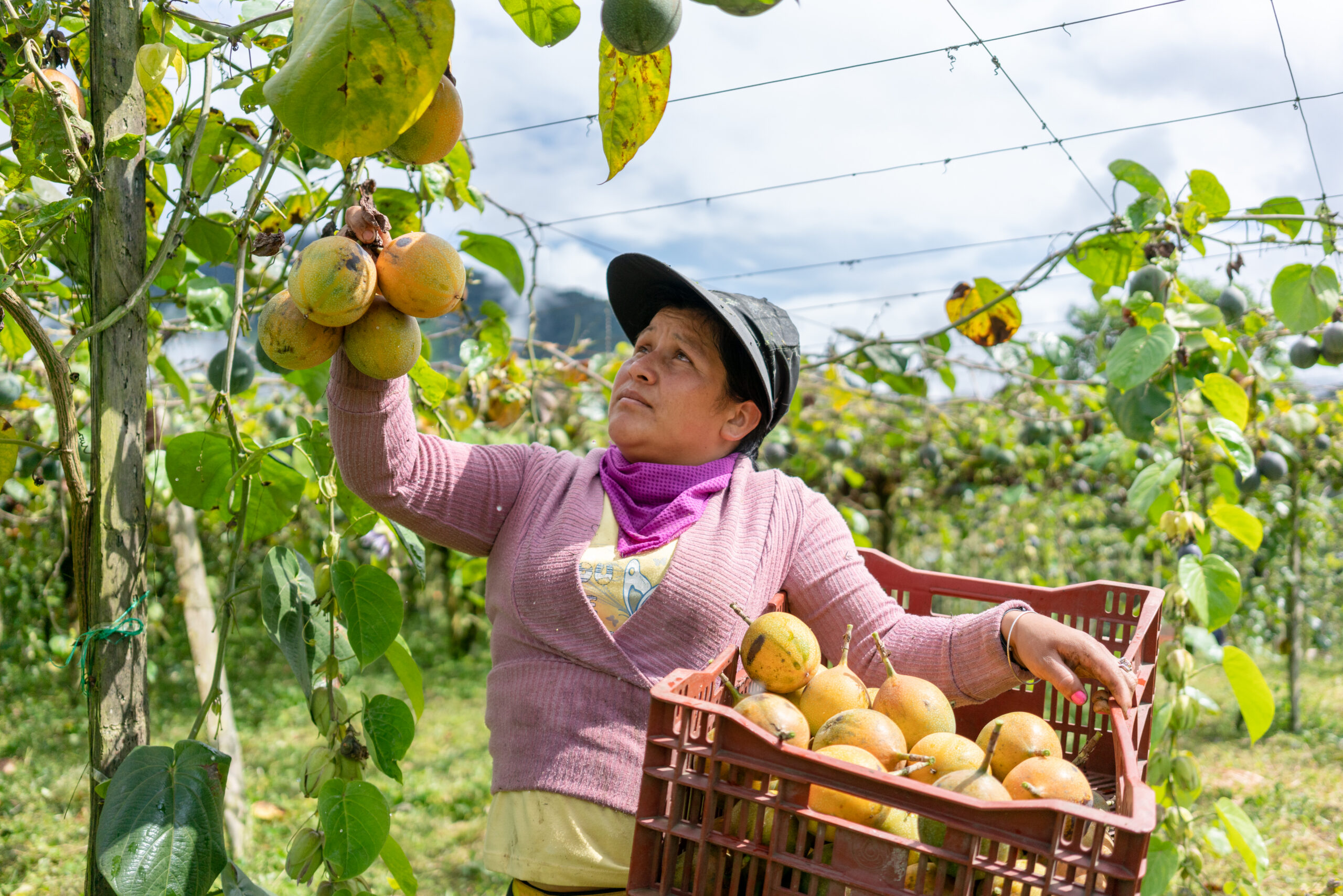
Food banks adapt quickly to global change — and the types of support they rely on evolve just as quickly. While planning is key, ongoing geopolitical shifts call for mobility, sometimes requiring food banks to respond as things unfold.
The Global FoodBanking Network (GFN) and its members continue to rise to the task, developing creative solutions to the issues of hunger and climate change. But the financial capacity to solve some of the world’s largest challenges while maintaining daily operations is itself a challenge for food banks. The good thing? GFN’s grants program partners closely with food banks to help bring positive change to communities around the world.
A synergy of trust-based philanthropy, field services insight and input from food banks, GFN grants support food banks throughout the development of projects and partnerships necessary to further advance their operations and better serve people and communities.
GFN’s grant program isn’t limited to disbursing funds. The program incorporates a dedicated understanding of food banks’ respective needs, paired with ongoing technical assistance and support.
This close collaboration also provides a real-time view into how food bank needs are evolving across regions. From increasing demand for flexible funding to new approaches in operational efficiency, emerging grant trends reflect a broader shift in the food banking landscape. These trends illustrate that food banks are not only responding to today’s challenges; They’re also laying the groundwork for more resilient and sustainable models for the future.
The following examples show how food banks are using GFN grant funding and other support to advance their communities.
The popularity of agricultural recovery as a strategy for food banks has grown steadily over the past several years. The approach recovers surplus food at the farm level before it becomes waste and redirects it to communities. And with last year’s launch of the GFN Agricultural Recovery Hub, food bankers are scaling up their agricultural recovery programs and initiatives, expanding partnerships and coordinating the collection and redistribution of surplus.
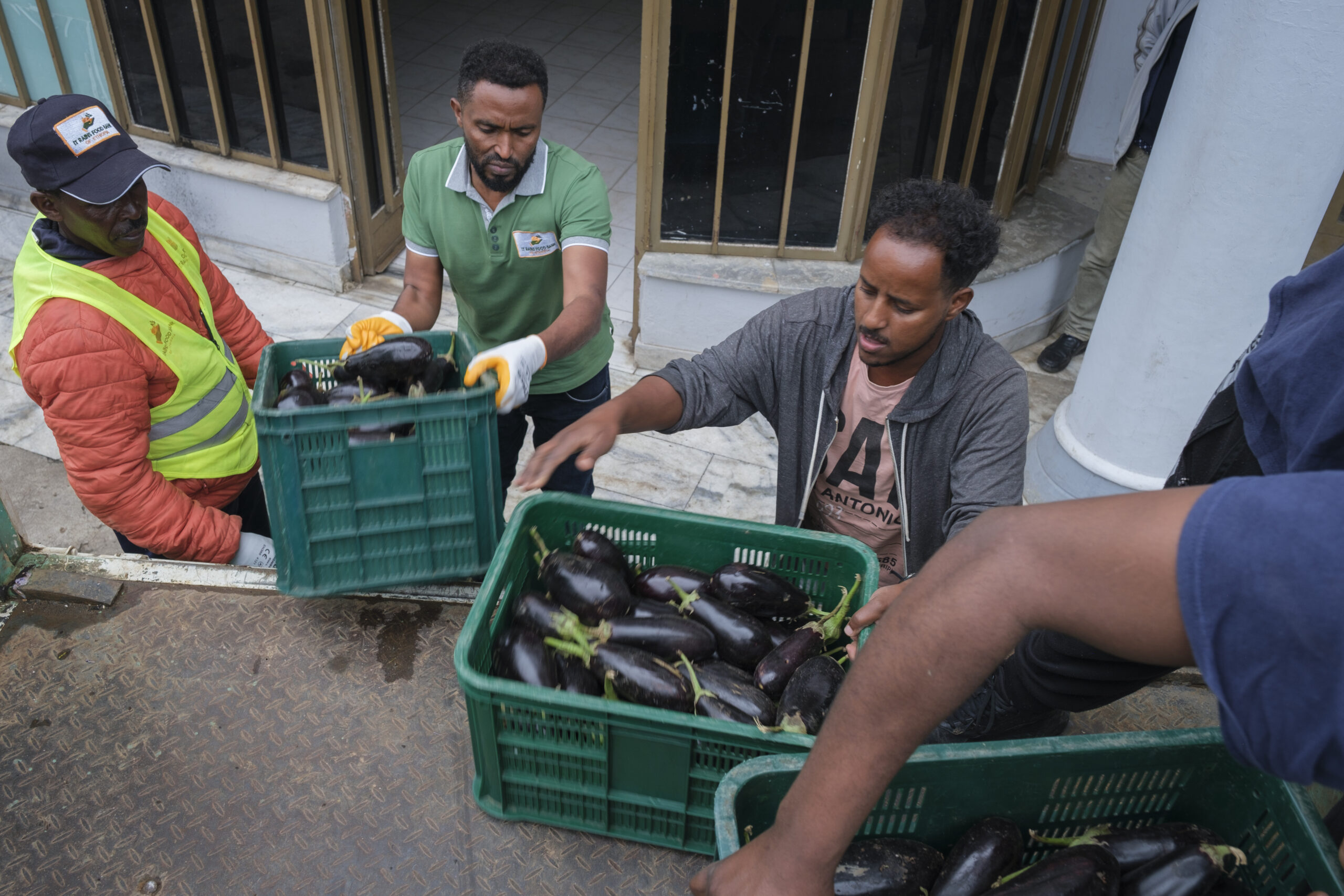
GFN grants are supporting food banks with active agricultural programs, as well as those just getting started. Because agricultural recovery requires significant investment, across transportation, staffing and operations, food banks are thinking more intentionally about how those efforts show up in the communities they serve.
In Ethiopia, GFN funding helped It Rains Food Bank, a newer and growing organization, overcome capacity barriers by investing in a 4.2-ton truck, significantly expanding their ability to recover and distribute more fresh produce from farms.
Building on this kind of investment, many food banks are refining their recovery routes, partnering with local farms and packhouses, expanding distribution in areas where food is being sourced, and finding ways to better support farmers with storage and market access. The result is a more connected approach that strengthens local relationships, builds shared knowledge and expands access to resources that haven’t always been available.
As food banks streamline operations, many are building partnerships with businesses and community organizations to both recover food likely to be wasted in the supply chain and increase the number of meals reaching those who need them most.
Grantees with agricultural recovery initiatives have started to explore and implement virtual food banking, which allows surplus produce to move directly from suppliers to partner organizations, bypassing the need for warehouse storage.
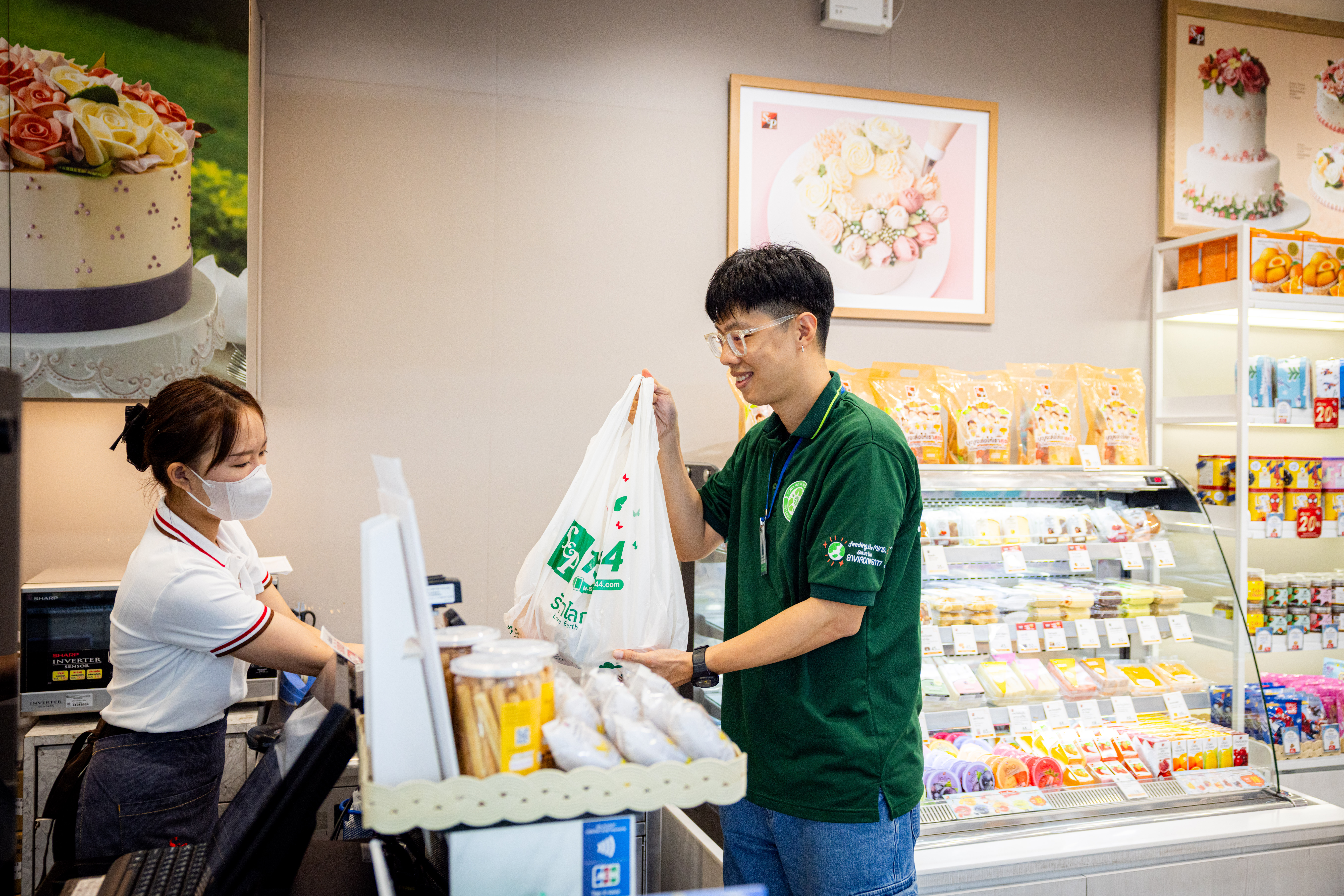
In GFN’s recent collaboration with Starbucks Coffee Company, select food banks in the Asia Pacific region were granted funds to partner with local Starbucks locations to expand food recovery and capacity to work with quick-service restaurants in the region. The partnerships developed during the pilot have helped expand food recovery into new locations and channels that food banks had not previously accessed, reaching more communities as a result.
As food banks work to improve operational efficiency, a cross-regional theme for improved data systems has emerged. While tools like Microsoft Excel and WhatsApp are commonly used by food banks for data collection when they start out, growing food banks have realized a need to strengthen their data systems as operations expand.
GFN grants are accelerating this shift. For food banks like Food Banks Australia and The Food Bank Singapore, investments in logistics and staffing are now being reinforced by more connected data infrastructure. While these projects are still in early implementation, GFN’s investment is helping build the foundation for more data-driven operations, with additional insights to come later in the year.
The benefits of improved data systems go beyond efficiency. When food banks have reliable data, they can see what’s working, make more informed decisions and better serve their communities. With support from GFN grants, food banks across the network are continuing to build that capacity.
To learn more about how you can support this work, contact Vicki Clarke at vclarke@foodbanking.org.