Written by Gloria Raimondi, GFN’s Policy Advocacy Lead.
Food banks — known for their role in food security — are increasingly being recognized for their positive climate impact. And this recognition is extending to national governments, partly due to the work of The Global FoodBanking Network (GFN).
When food banks recover edible food that would otherwise be discarded, they prevent methane emissions from landfills — a greenhouse gas 80 times more potent than CO₂ in the short term — while simultaneously delivering nutritious food to vulnerable populations.
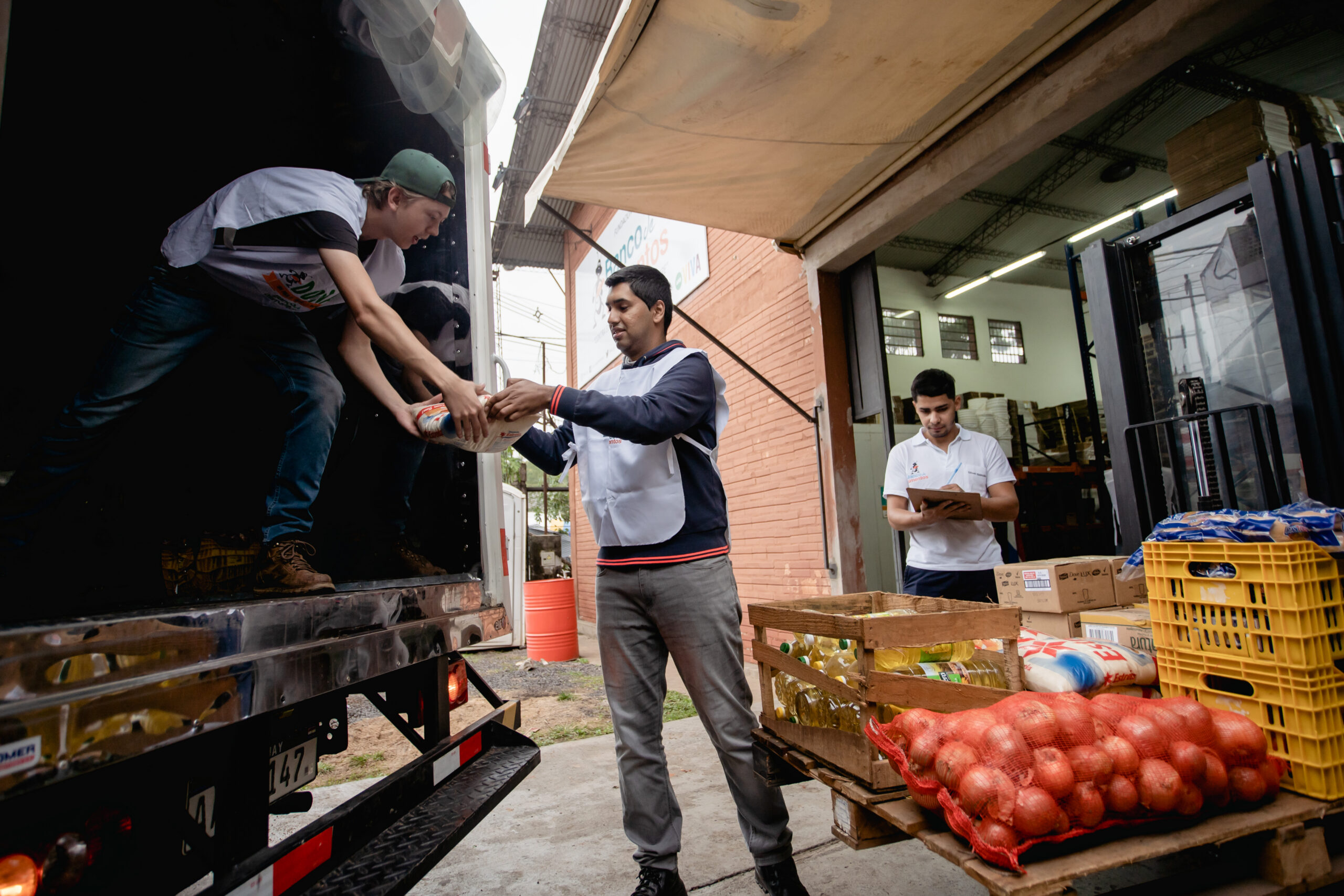
Some countries acknowledge the importance of food recovery and redistribution by including it in their nationally determined contributions, or NDCs. As countries’ official climate action plans, NDCs are important tools for setting clear goals, sharing knowledge, mobilizing resources and raising awareness around global climate priorities.
GFN promotes such inclusion through engagement with government officials and support to member food banks. GFN staff continually monitor NDC update cycles and other official climate mechanisms, then provide verifiable data and policy language to government representatives. At the same time, GFN positions local food banks as leaders in government relationships — paired with training, technical assistance, accompaniment and collaborative frameworks — ensuring that recognition is locally owned and durable beyond any political cycle.
GFN’s FRAME methodology has been central to this work. FRAME quantifies the avoided methane emissions and nutritional co-benefits of food recovery, providing the scientific foundation that governments require to integrate food banking into official climate frameworks.
Recently, after working with GFN and member food banks, several national governments have committed to food recovery in their NDCs or other official climate plans.
Other countries are focusing on food loss and waste broadly in their official planning.
Formal government recognition of food banks as climate actors isn’t only a policy milestone — it’s a key that unlocks access to climate financing mechanisms previously unavailable to them. For example, Ecuador’s recognition of Banco de Alimentos de Quito created a direct pathway to funding. Building on the formal government validation, Banco de Alimentos de Quito secured financing from UNIDO (United Nations Industrial Development Organization) to upgrade its cold chain and refrigeration systems.
SOS Thailand helped develop a food-donation carbon methodology approved by Thailand’s main public agency for cutting greenhouse gas emissions, which opens a pathway to carbon credits and potential Article 6.2 transfers.
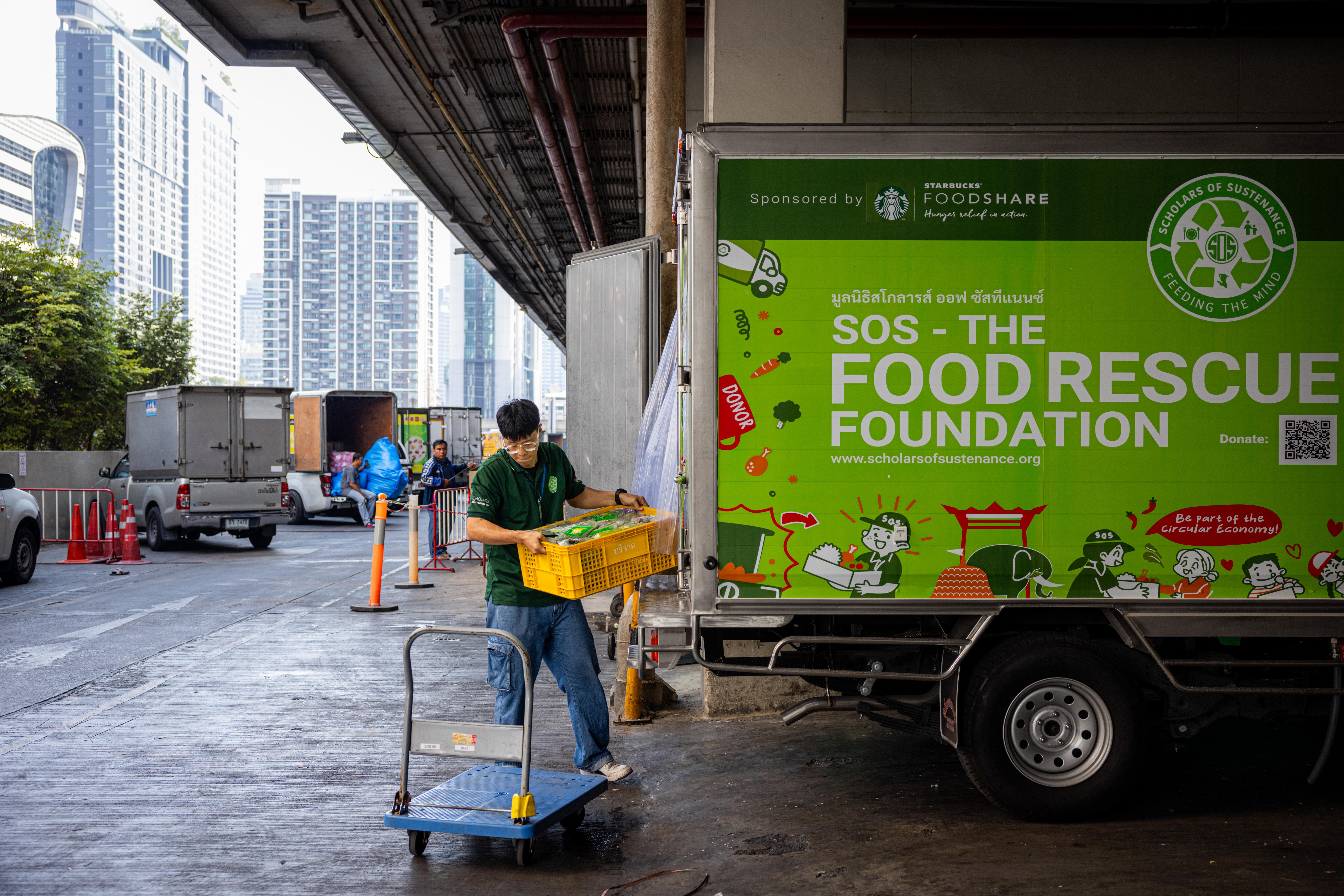
In South Africa, FoodForward SA became the first food bank included in the Just Energy Transition (JET) Funding Platform Project Register.
By formally acknowledging food loss and waste in their national climate commitments, countries position themselves to develop more specific, more effective implementation strategies, using food recovery operations as climate solutions.