


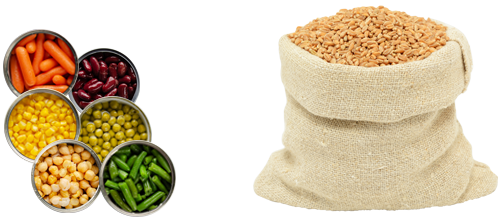
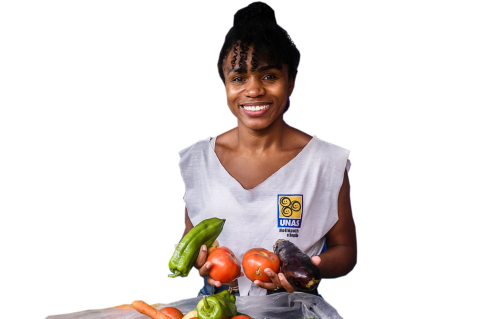
Food banks have always been climate actors. When they recover and redistribute surplus food, they reduce food loss and waste (FLW) and the associated methane emissions heating our planet. Over several years of advocacy, GFN and its partner organizations have demonstrated on the global stage the food security and environmental benefits of food banks and other food recovery organizations.
The evidence is clear: reducing food loss and waste offers one of the most immediate, cost-effective, and impactful opportunities to reduce waste, methane and other greenhouse gas emissions – while strengthening food security, addressing hunger, and supporting resilient communities.
At COP31 in Antalya, Türkiye, food waste is taking center stage via the Zero Waste and Circular Economy package. Our message is clear: now is the time for world leaders to turn commitments on FLW into concrete action plans with the financial resources necessary to scale food recovery for global impact.
GFN and our partners at the World Resources Institute, WRAP, ReFED and WWF are showcasing the food recovery solution through COP’s Action Agenda.
At COP30, GFN and partners were selected to lead this Plan to Accelerate Action, a practical roadmap through 2030 that brings together policy, finance, and delivery around specific challenges.
This plan aims to:
GFN and partners track progress and identify opportunities and barriers to scaling food recovery for maximum impact on global food security and GHG emissions.
The Global FoodBanking Network and our food loss and waste partners are helping shape COP31 priorities on reducing waste, reducing methane emissions, and feeding more people. Our approach engages both the COP31 Presidency and countries to maximize action.
Join us for our events driving change on food loss and waste, food insecurity and climate change.
11 November 2026 | 3:00–4:00 p.m.
Location: Special Event Room 3, Amphitheatre Assos, Antalya EXPO Center, Blue Zone
An official COP Action Agenda event reviewing the first year of the project on this Plan to Accelerate Solutions. GFN and partners will discuss progress toward goals and the opportunities and challenges in policy frameworks and financing to scale food recovery for global impact on food insecurity and emissions.
Speakers:
12 November 2025 | 7:30–9:30 p.m.
Location: Anadolu House, TED Coundown
A COP31 side-event showcasing proven solutions to food loss and waste, and the financing needed to scale them. Policymakers, funders, businesses and practitioners will share practical approaches, mobilize resources, and build partnerships for action. After a fast-paced, interactive event, we will host a 45-minute networking session to make connections and plans.
Speakers:
9 November 2026 | 10:00–11:15 a.m.
Location: Food & Agriculture Pavilion, Blue Zone, COP31, Antalya, Türkiye
A session convened by WRAP focused on actions to prevent food waste before consumption across supply chains and through surplus food redistribution. The discussion will highlight opportunities for collaboration across public, private, and nonprofit sectors to reduce emissions, improve food security, and scale food recovery solutions.
Speakers / Organizations:
10 November 2026 | 6:30–8:00 p.m.
Location: UNFCCC Blue Zone (room details TBD)
A WRAP-led discussion exploring how cities can accelerate circular economy approaches through improved waste systems and urban infrastructure. The session will bring together city leaders and implementation partners to discuss scalable solutions for reducing waste, improving resource efficiency, and advancing climate goals in rapidly growing urban areas, with a particular focus on African cities.
Speakers / Organizations:
11 November 2026 | 10:30–11:30 a.m.
Location: Food and Agriculture Pavilion, Blue Zone
GFN, ICLEI City Food, and Brazil’s Ministry of Social Development explore practical solutions across the food value chain to prevent food from becoming waste, ensure surplus food reaches people, and keep unavoidable organic material in circulation, while strengthening climate resilience and reducing emissions.
Speakers:
11 November 2026 | 4:30–6:00 p.m.
Location: Irish Pavilion, COP31, Antalya, Türkiye (Zero Waste Thematic Day)
Convened by Ireland’s Department of Climate, Energy and the Environment (DCEE), with support from the Department of Agriculture, Food and the Marine and FoodCloud, this panel discussion is connected to the Declaration on Surplus Food Sharing and Redistribution. The session will explore the contribution of surplus food sharing and redistribution to climate action, waste prevention, the circular economy, food security, food systems resilience, and broader Sustainable Development Goals. The event will also support Ireland’s call to action encouraging countries to endorse the Declaration at COP31.
Moderator:
Organizers:
To create transformative change for people and our planet, GFN takes a comprehensive approach to connecting food banks to global climate action.
Through a significant investment from the Global Methane Hub, GFN built a methodology to quantify and track, in real time, the methane emissions prevented via food recovery by food banks to strengthen operations and open the door to climate financing.
Through direct engagement with national governments, GFN is helping include food banks and other food recovery organizations in their national climate plans and Nationally Determined Contributions (NDCs) under the Paris Agreement.
Learn more about GFN’s comprehensive approach to embedding food recovery and redistribution into global climate efforts.
Follow along with GFN at COP31 on our social channels and through our newsletter.

