Escrito por Amy Auguston
Desde su creación en 2019, Banque Alimentaire de Costa de Marfil (BACI) Ha prestado servicios a más de 300.000 personas en Abiyán y sus alrededores. En una región donde la banca de alimentos es relativamente nueva, BACI está creciendo rápidamente, y su equipo afirma que el apoyo de la Red Global de Bancos de Alimentos (GFN) es una razón importante para ello.
En 2019, GFN comenzó el Acelerador de Banco de Alimentos, un programa que tiene como objetivo acelerar el desarrollo de nuevos bancos de alimentos en regiones con inseguridad alimentaria crónica. BACI se unió a la segunda cohorte del programa. Acelerador En 2024, y en un año, casi había duplicado su distribución y casi triplicado el número de personas atendidas. Acelerador Ofrece capacitación técnica, tutoría, aprendizaje entre pares y oportunidades de colaboración, además de subvenciones financieras a bancos de alimentos para aumentar su eficacia. Según Serge Aka, jefe de operaciones y logística de BACI, las subvenciones de GFN permitieron la compra de equipos esenciales, como un camión refrigerado, para mejorar su cadena de frío. Gracias a las subvenciones de GFN, BACI también pudo contratar personal adicional, incluyendo un conductor dedicado al transporte de alimentos y un responsable de recaudación de fondos.
De igual a igual Comunidades de práctica dar Acelerador Los miembros tienen la oportunidad de intercambiar experiencias, compartir buenas prácticas y aprender unos de otros. “Las conversaciones periódicas con otros bancos de alimentos nos han ayudado a evitar errores y a adoptar soluciones que ya se habían identificado en otros lugares”, dijo Aka.
“Las conferencias regionales que hemos organizado [a través de GFN] en Ghana y Nigeria fueron especialmente impactantes”, continuó Aka. “Visitar los almacenes de otros bancos de alimentos nos enseñó nuevas formas de optimizar nuestras cadenas de suministro’.
“AlimentosForward SA [En Sudáfrica] compartieron cómo una sólida recopilación de datos puede generar confianza con los socios y atraer a nuevos donantes”, dijo Aka. “Como resultado, BACI ha integrado el enfoque que utiliza FoodForward SA en nuestras propias operaciones”.”
Reducción del desperdicio de alimentos mediante programas de recuperación agrícola.
Si bien aproximadamente 673 millones de personas padecen hambre, más de un tercio de los alimentos del mundo se pierde o se desperdicia. Según la FAO, la mitad de las frutas y verduras cultivadas en el África subsahariana se pierden, la tasa más alta a nivel mundial. La recuperación agrícola es un enfoque rápido y eficaz que permite que más personas tengan acceso a alimentos saludables, reduce la pérdida y el desperdicio de alimentos y apoya a los pequeños agricultores.
En 2025, en colaboración con cooperativas agrícolas y agentes del mercado local, BACI lanzó su propio programa de recuperación agrícola. “En Costa de Marfil, las pérdidas agrícolas son frecuentes tanto en las explotaciones como en el mercado”, afirmó Aka. “BACI trabaja directamente con las cooperativas agrícolas para recolectar el excedente de producción y recuperar los productos no vendidos en el mercado. Recolectamos, transportamos y redistribuimos los alimentos para que lleguen a quienes los necesitan”.”
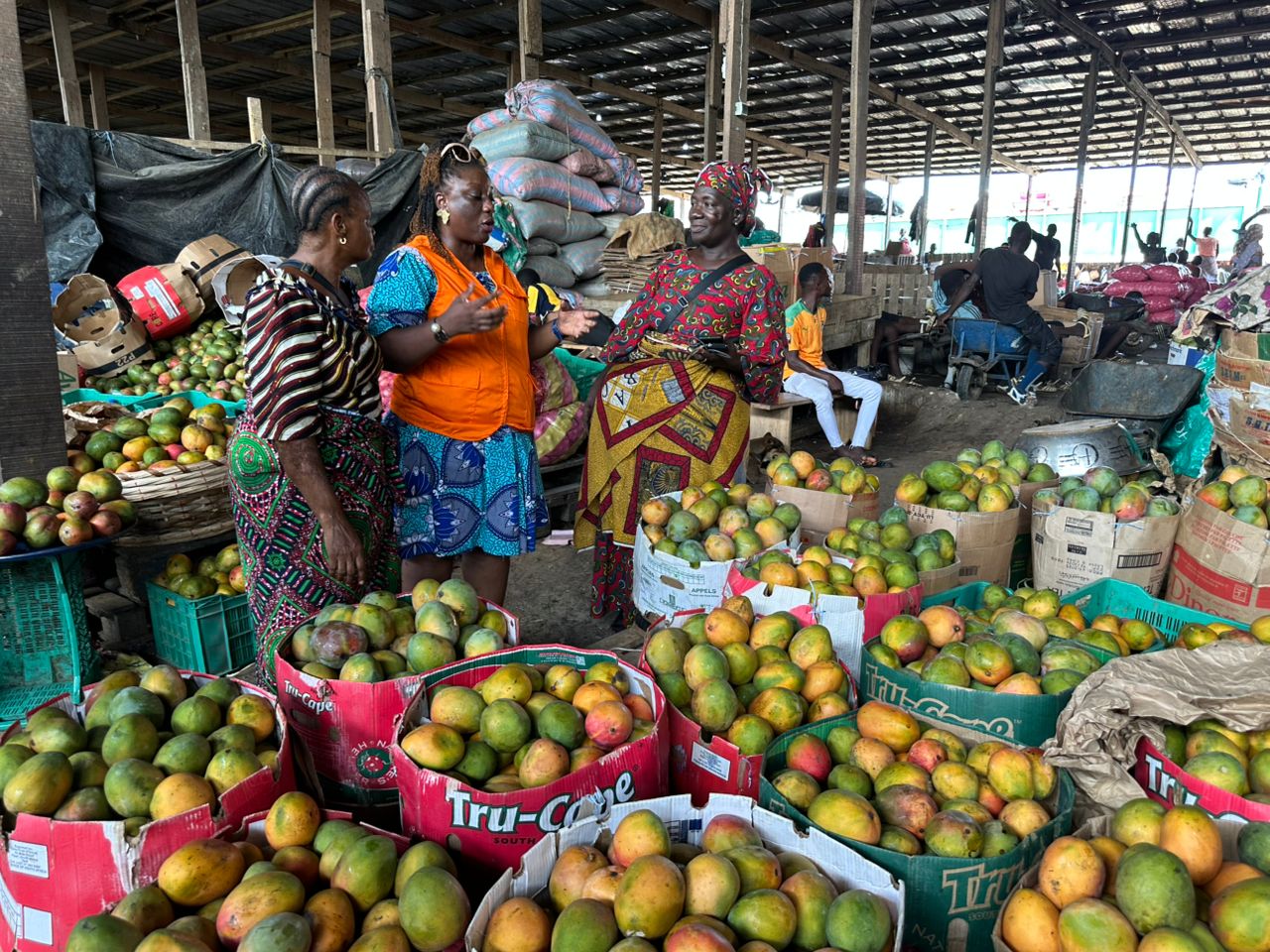
Un ejemplo reciente proviene del mercado central de Abidjan, donde BACI, en asociación con el Société Coopérative Arc-en-ciel Mujer África y el Sociedad Cooperativa de Mujeres de Sion, recuperó y redistribuyó más de 2.900 kilogramos de frutas y verduras frescas.
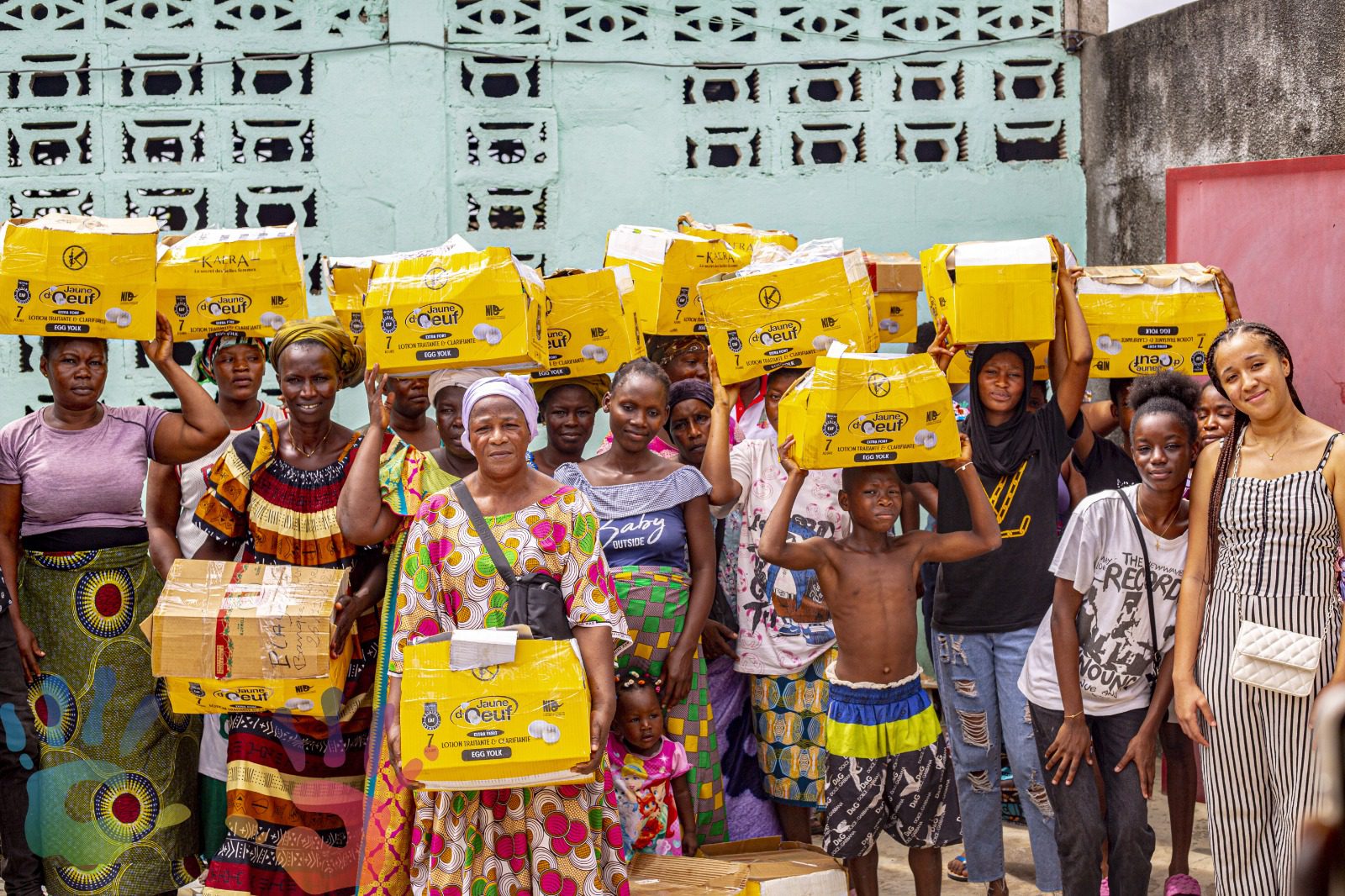
BACI también colabora estrechamente con las principales cadenas minoristas para recuperar alimentos y reducir el desperdicio y las pérdidas. “Las cadenas de supermercados como Auchan y Carrefour suelen tener grandes excedentes”, explicó Aka. “Los alimentos son perfectamente seguros, pero los productos pueden estar próximos a caducar o tener defectos en el envase. BACI ayuda a distribuir estos alimentos a quienes más los necesitan”.”
Como parte de sus requisitos de presentación de informes, Auchan necesita datos que cuantifiquen el impacto ambiental de su apoyo a BACI. Para recopilar y analizar estos datos, BACI utiliza la metodología FRAME (Recuperación de Alimentos para Evitar Emisiones de Metano). Desarrollado por GFN en colaboración con Global Methane Hub y con la participación de Carbon Trust, FRAME cuantifica las emisiones evitadas y los beneficios colaterales derivados de la redirección de la pérdida y el desperdicio de alimentos mediante operaciones de recuperación y redistribución de alimentos.
“La metodología FRAME nos permite demostrar nuestro impacto a través de datos”, afirmó Aka. “Este tipo de datos ha fortalecido nuestras relaciones con socios como Auchan y esperamos que atraiga a nuevos donantes en el futuro”.”
BACI apoya a organizaciones comunitarias que atienden a personas en situación de vulnerabilidad, como madres solteras, personas con discapacidad, personas mayores y menores no acompañados en centros de acogida. Además de reducir la inseguridad alimentaria en estos grupos, Aka ha observado los beneficios sociales de los bancos de alimentos. “Una vez que tienen acceso a los alimentos, muchas personas se sienten más integradas en sus comunidades. Los servicios sociales locales son más estables gracias al suministro constante de alimentos que proporciona BACI”, afirmó.

Según Aka, un ejemplo del impacto de BACI es el de un abuelo de la localidad que antes no podía contribuir regularmente a la alimentación de su familia. Ahora comparte con frecuencia los alimentos que recibe y afirma sentirse más integrado y respetado en la familia. Otro ejemplo es el del encargado de un comedor escolar, quien explicó que la comida proporcionada por BACI ha permitido que el comedor permanezca abierto a pesar de la insuficiencia de fondos gubernamentales. Cuando se ofrecen comidas escolares en el comedor, los niños asisten a clase con mayor regularidad y su rendimiento académico mejora.
“Estos testimonios nos demuestran que los bancos de alimentos no solo solucionan el problema de la inseguridad alimentaria”, dijo Aka. “Fortalecen a la sociedad en su conjunto”.”