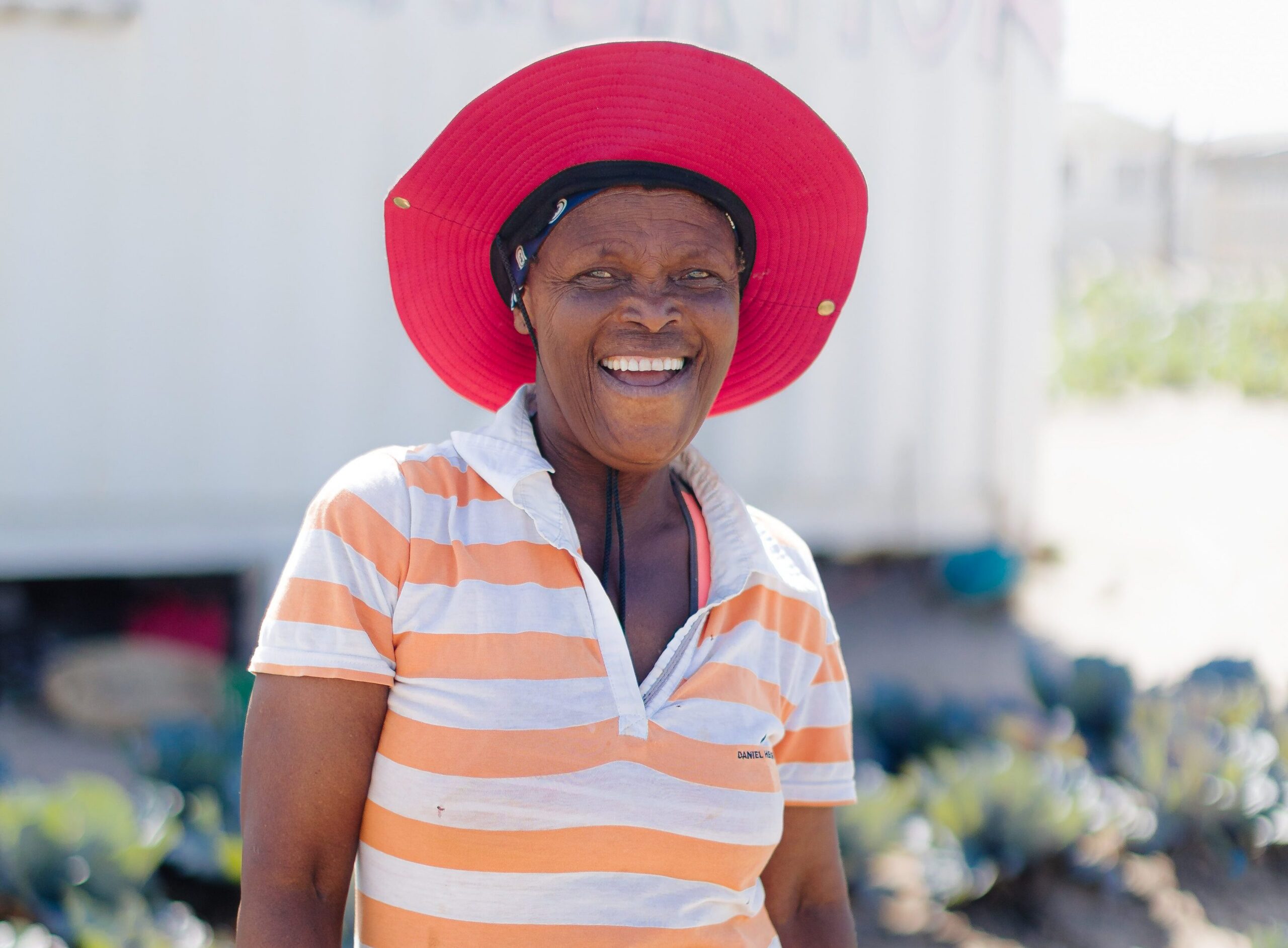
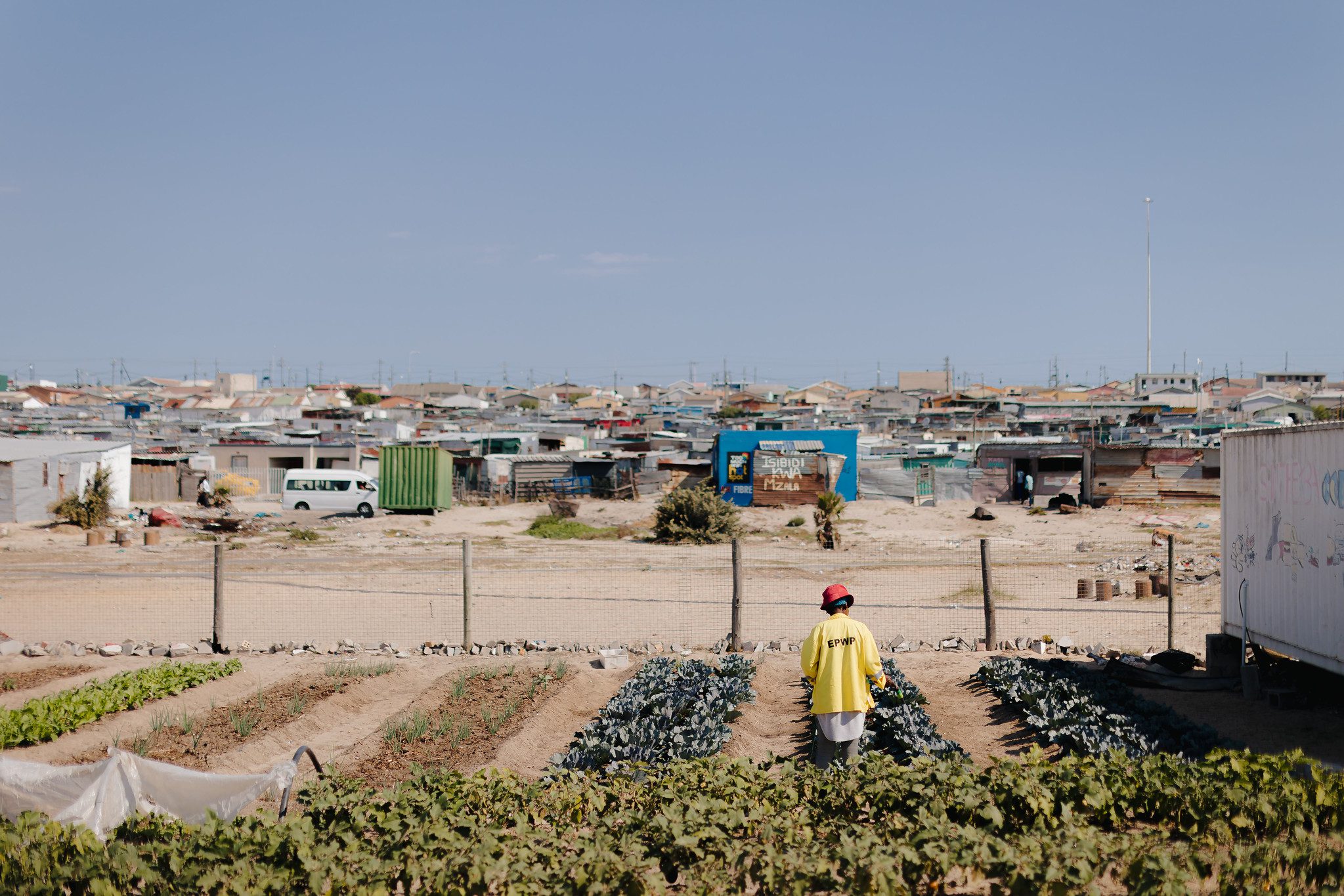
En un día ventoso y nublado en el municipio de Khayelitsha, en Ciudad del Cabo, Nonina Pama bromea con algunos de sus compañeros jardineros, que podrían ser casi medio siglo menores que ella.
“¡Eres joven, usa tu fuerza, tu energía!”, dice con dramatismo. “¡Soy fuerte, aunque tenga 67 años! ¡Vamos, hombre, trabaja como yo!”.”
La actuación tiene como objetivo animar el ambiente y motivar a su equipo, que está preparando un nuevo terreno para las plántulas de espinaca. Pero Nonina predica con el ejemplo: está por todas partes en el jardín, pasando rápidamente de rastrillar a regar y a demostrar técnicas de siembra.
En todo momento, exige atención. "¿Están siquiera escuchando lo que estoy haciendo?", grita mientras hace agujeros en la tierra. "¡Sí! ¡Estamos mirando!", responde el grupo con fingida exasperación.
Nonina es una de las encargadas del jardín en Sinethemba Ithemba, una organización sin ánimo de lucro que hace un poco de todo para satisfacer las necesidades de la comunidad.
Aunque el huerto existe desde hace más de una década, ha florecido de verdad en los últimos dos años gracias a una estrecha colaboración con FoodForward South Africa, miembro de The Global FoodBanking Network.
“Vivo de este huerto”, dice Nonina. “Puedes comprobar por ti mismo lo en forma que estoy”.”
El orgullo que Nonina siente por su vitalidad y energía es bien merecido. Cuando llegó a Sinethemba, las cosas eran muy diferentes. Mientras hacía todo lo posible por mantener a una familia de cinco personas, Nonina también luchaba contra la desnutrición y la tuberculosis.
“Fue una época difícil e incierta en mi vida.”
La carga de VIH/SIDA per cápita en Sudáfrica es una de las más altas del mundo; lo mismo ocurre con la tuberculosis. En Khayelitsha, las tasas de ambas enfermedades son significativamente superiores al promedio nacional.
El tratamiento de ambas enfermedades está estrechamente ligado a la alimentación y la nutrición. El tratamiento de la tuberculosis implica la administración de múltiples medicamentos durante un período de cuatro a veinticuatro meses, lo cual puede ser muy agresivo para el organismo. Muchas personas simplemente no pueden tomarlo con el estómago vacío. Algunos tratamientos para el VIH/SIDA se absorben mucho mejor con los alimentos, y dado que el tratamiento es de por vida, un acceso estable a los alimentos se vuelve aún más crucial.
Por supuesto, sin suficiente comida, la desnutrición debilita el sistema inmunológico, lo que dificulta la curación. Y la comida saludable es difícil de conseguir para muchos en Khayelitsha, donde al menos la mitad de los hogares padecen inseguridad alimentaria moderada o grave.
“La gente decía: ‘No puedo seguir mi tratamiento porque no tengo comida’”, dice Nolitha, y añade que Nonina estaba abandonando su tratamiento cuando llegó por primera vez a Sinethemba.
“Para nosotros era muy importante cocinar para ellos”, dijo Nolitha. “Teníamos un pequeño huerto. Era muy pequeño y no producía mucho”. Eso es cómo terminamos yendo a "Avance en la alimentación".”
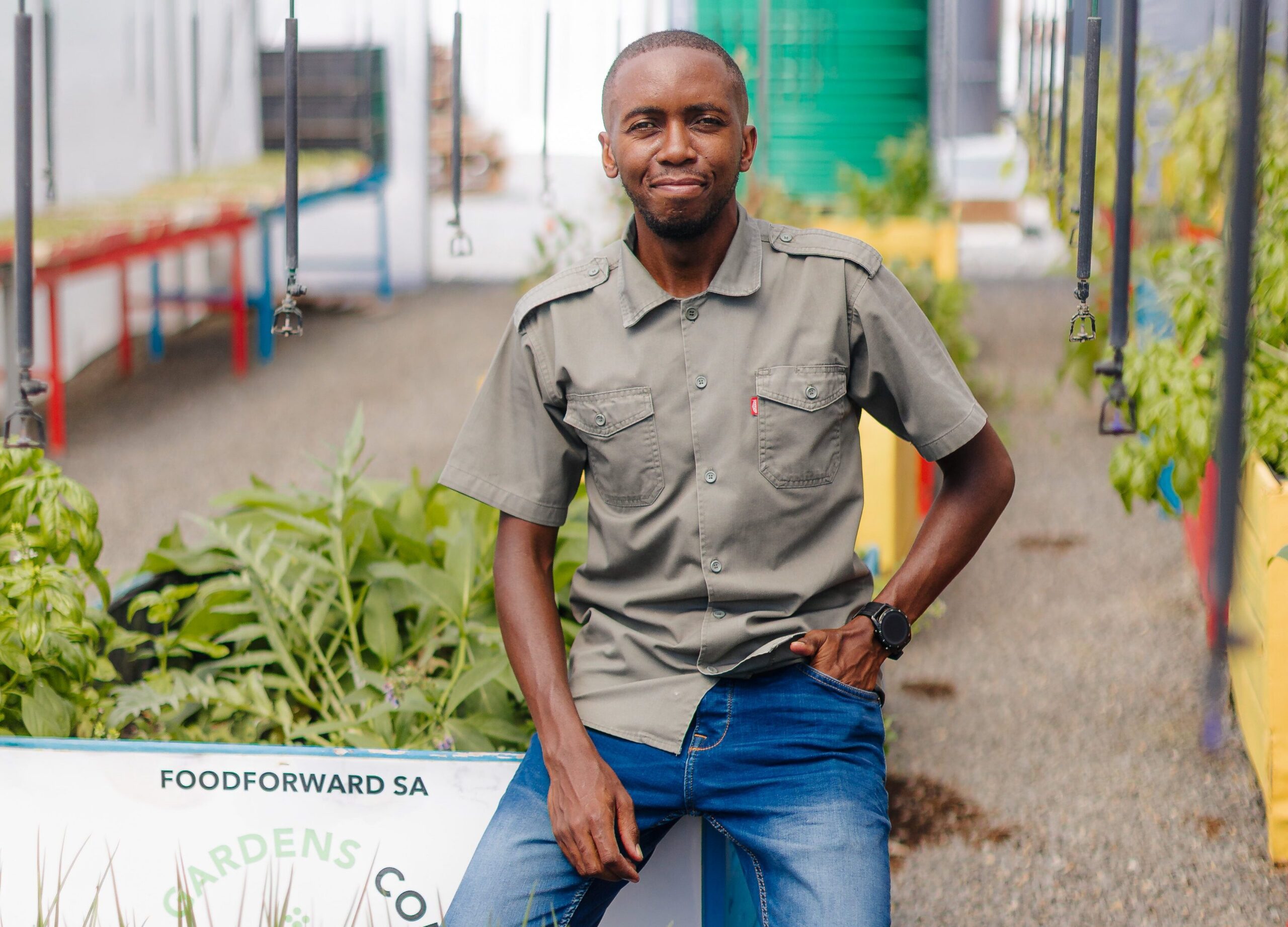
Afuera de las oficinas de FoodForward SA en Ciudad del Cabo, Likopo Sehlabo se ocupa de algunos asuntos importantes antes de entregar las plántulas a Nonina en Sinethemba. Tararea una canción tradicional sesotho mientras riega las plantas en el jardín de demostración.
“Se trata de… comunicarte con tus plantas, hablarles, motivarlas”, dice Likopo, conocido como DK. “Es como tener una conversación con ellas. Me gusta regarlas por la mañana y preguntarles si pasaron una buena noche”.”
DK es el responsable de desarrollo comunitario de FoodForward SA, a cargo del programa Food Gardens Connect, que ayuda a comunidades con inseguridad alimentaria como Khayelitsha a cultivar sus propios alimentos para mejorar su nutrición y salud.
En el invernadero situado en la parte trasera del jardín, DK cultiva plántulas de hortalizas para donarlas a Sinethemba Ithemba y otras organizaciones asociadas; actualmente, 24 organizaciones de los alrededores de Ciudad del Cabo participan en el programa.
Durante seis semanas, DK capacita a los participantes del programa en los fundamentos de la agricultura: cómo enriquecer el suelo, cómo hacer compost, cómo trasplantar plántulas, y a menudo los lleva al jardín de exhibición para que practiquen. Después, les brinda asesoramiento y apoyo semanalmente. Por ejemplo, si un jardín tiene problemas con plagas, DK ayuda a los jardineros a preparar su propio pesticida totalmente natural con su receta original.
“Con este programa”, dice DK, “espero que veamos comunidades… que solo compren harina de maíz y aceite de cocina, y que la naturaleza les proporcione el resto”.”
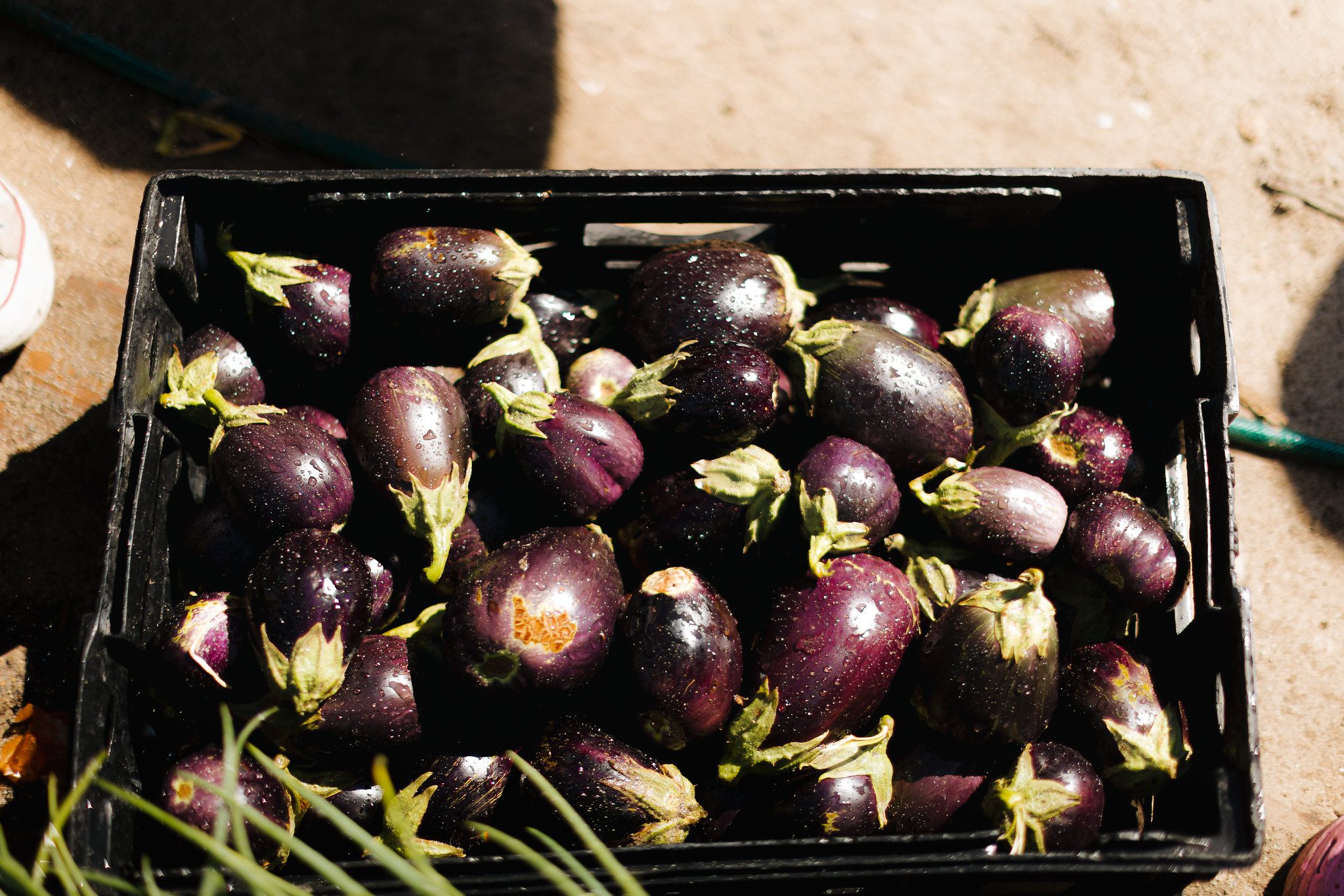
Todos los que ayudan a mantener los huertos comunitarios se llevan a casa productos frescos cuando están listos para la cosecha, y la mayoría de las organizaciones, como Sinethemba, utilizan estos alimentos para abastecer sus comedores comunitarios. Si sobran alimentos después de la cosecha, FoodForward los compra y los lleva a su almacén, desde donde se aseguran de que lleguen a otras organizaciones comunitarias que les darán un buen uso. Hasta la fecha, FoodForward ha comprado más de cuatro toneladas de productos de huertos comunitarios, pagando a las organizaciones alrededor de 40 000 rands, o casi 150 400 USD.
“Enseñamos a la gente a cultivar sus propios alimentos, y ellos pueden invitar a otras personas de la comunidad y transmitirles esos conocimientos”, afirma Andy DuPlessis, director general de FoodForward SA. “Y así es como multiplicamos el bien”.”
Próximamente, FoodForward planea expandir Food Gardens Connect a otras partes del país para mejorar la nutrición de las personas en comunidades con inseguridad alimentaria. Además, con el apoyo financiero de The Global FoodBanking Network, FoodForward inició un programa en colaboración con clínicas de tuberculosis que sufrieron recortes en la ayuda oficial al desarrollo.
“Nos aseguramos de que no solo los pacientes con tuberculosis, sino también sus familias, reciban alimentos de forma regular hasta que se recuperen”, dice Andy.
Hoy en Sinethemba, la comunidad cuenta con una gran variedad de productos frescos: maíz dulce, cebolletas, col rizada, espinacas, repollo, berenjenas, sandías y diversas hierbas aromáticas crecen con vigor. Pero el huerto no siempre fue tan productivo.
“Sin duda ha habido un cambio”, dice Nonina. “Nunca habíamos tenido un huerto como este [en la comunidad]. Antes no parecía un huerto comunitario. Este huerto solía ser un quebradero de cabeza. Entonces llegó FoodForward. Lo cambiaron todo”.”
Para personas como Nonina, que luchan contra la mala nutrición y enfermedades graves, una fuente confiable de alimentos saludables marca la diferencia. Gracias a una combinación de medicamentos y una nutrición adecuada, su salud mejoró.
“El huerto ha cambiado por completo mi alimentación”, afirma. Tras llegar a Sinethemba y recibir comida a diario del huerto y del comedor comunitario, pudo tomar sus medicamentos contra la tuberculosis.
“La diferencia en mi consumo de verduras fue visible”, dijo Nonina. “Lo notaba en la sangre”.”
Tras finalizar su tratamiento, la última cita de seguimiento de Nonina reveló que su organismo había eliminado la bacteria de la tuberculosis. Pero, lamentablemente, las pruebas detectaron algo más.
“Era evidente que tenía VIH”, afirma.
“Fue difícil. Me salieron ronchas y me ingresaron en el hospital. Nolitha y otras personas de Sinethemba vinieron a verme durante el horario de visitas. Me traían comida.”
Nonina comenzó a tomar medicamentos antirretrovirales para el VIH. Al igual que con el tratamiento para la tuberculosis, una dieta sana y constante fortaleció tanto su organismo como su capacidad para tomar la medicación.
“Me encanta la comida”, dice, y cuando le preguntan por su comida favorita, enumera al menos una docena de verduras. “Me gusta que la comida sea colorida”.”
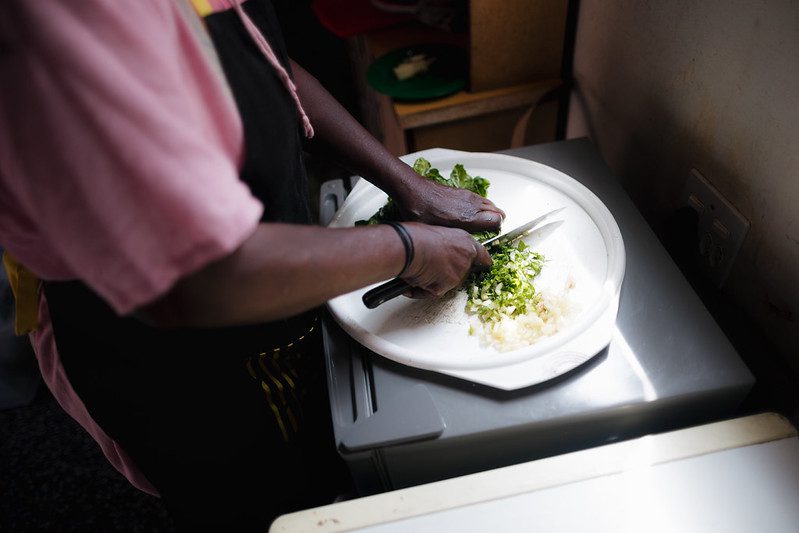
Con el tiempo, Nonina recuperó la salud. Todavía toma antirretrovirales, pero está activa y llena de energía. Nolitha la contrató para que la ayudara a cuidar el jardín después de que se recuperara. Era perfecta para el puesto.
“Haga lo que haga, se entrega por completo”, dice Nolitha. “Le gusta el orden”.”
El jardín ayudó a Nonina a continuar su recuperación, fomentando su sentido de comunidad y manteniéndola activa. “La fuerza que he adquirido gracias a este jardín a veces me sorprende incluso a mí misma”, dice, y añade que la mantiene joven.
“Realmente quiero evitar envejecer prematuramente. No quiero ser una abuela vieja”, dice riendo. “No soy una abuela, gracias a las verduras de este huerto”.
“FoodForward nos proporcionó sustento. Todo el huerto es prueba de ello.”