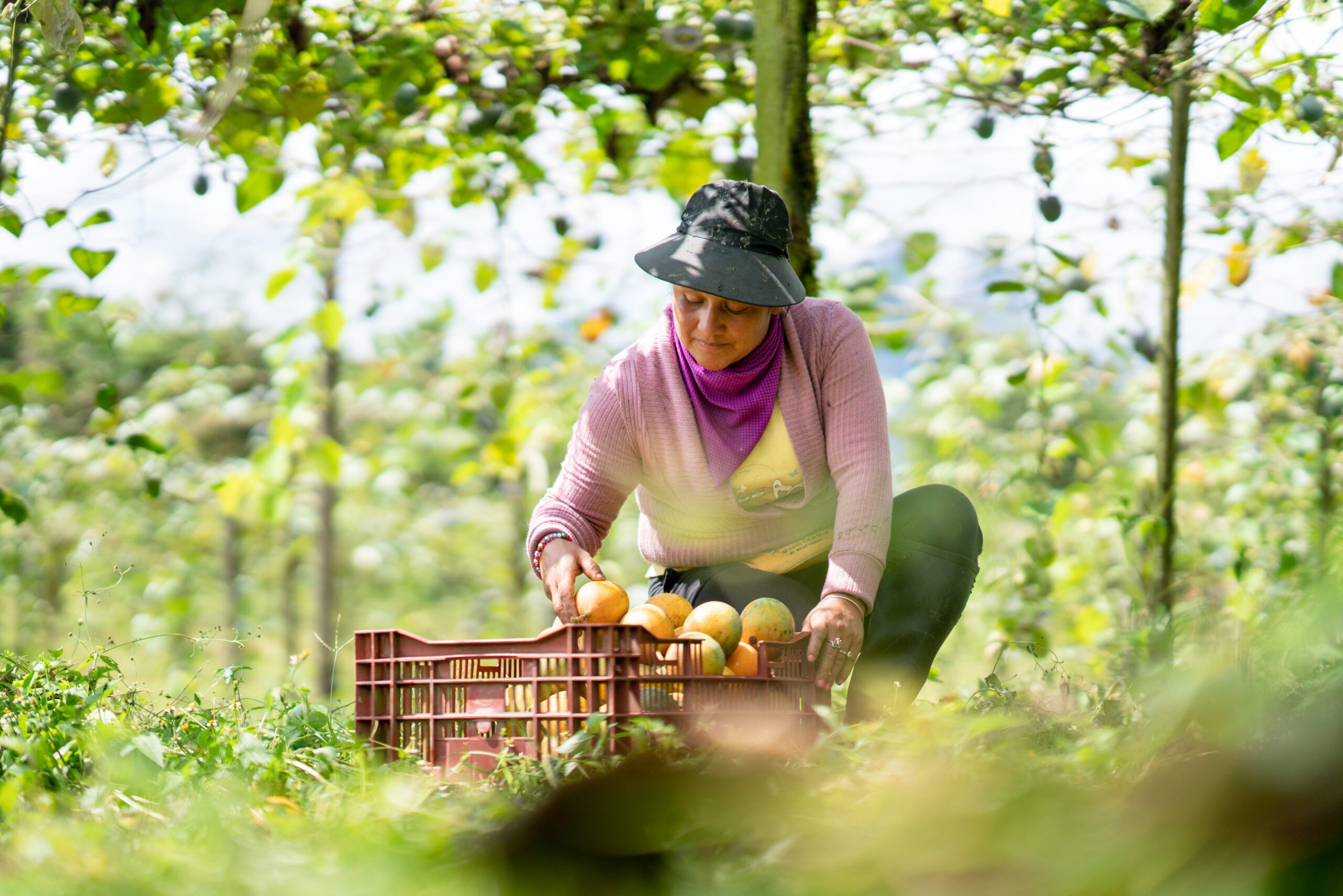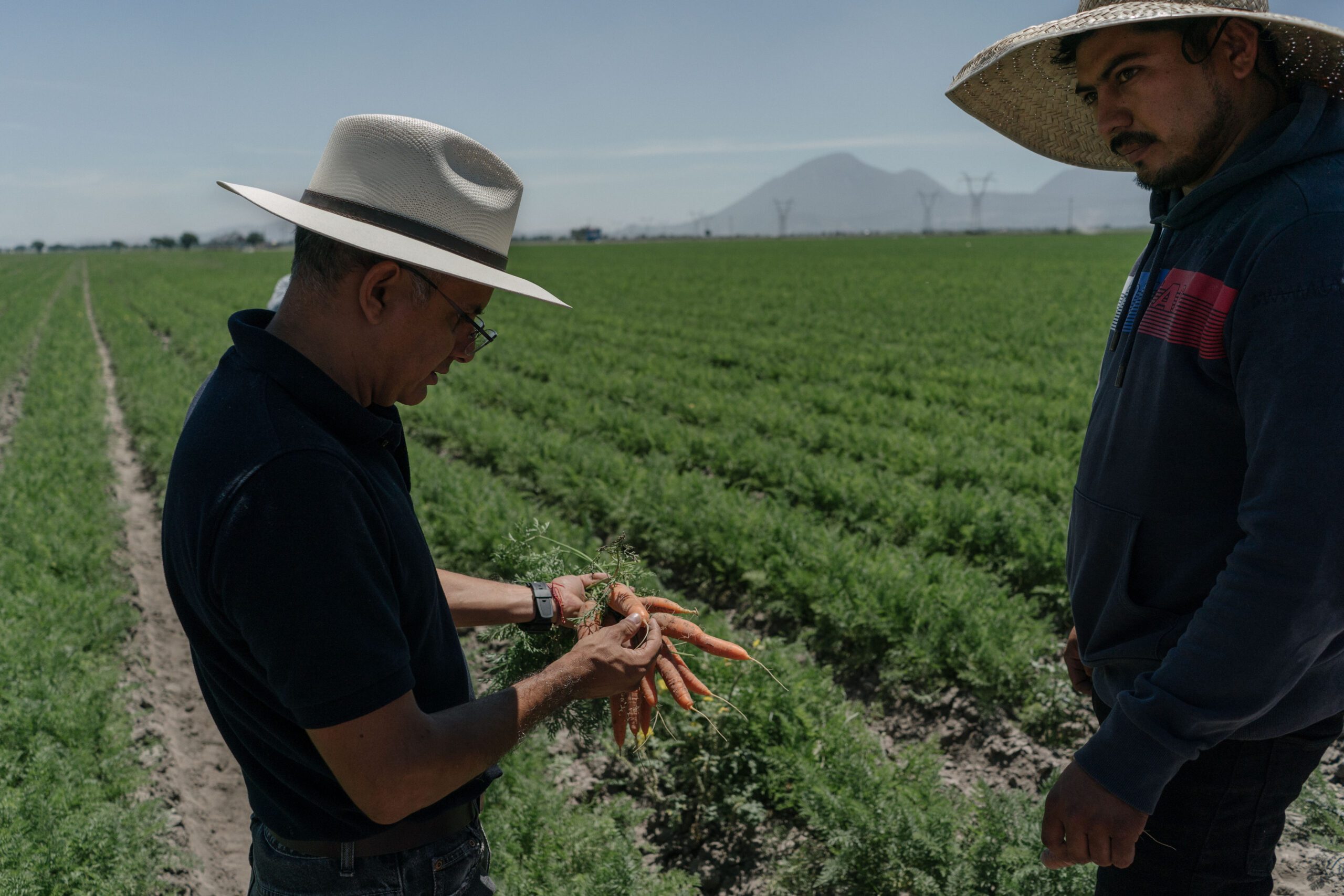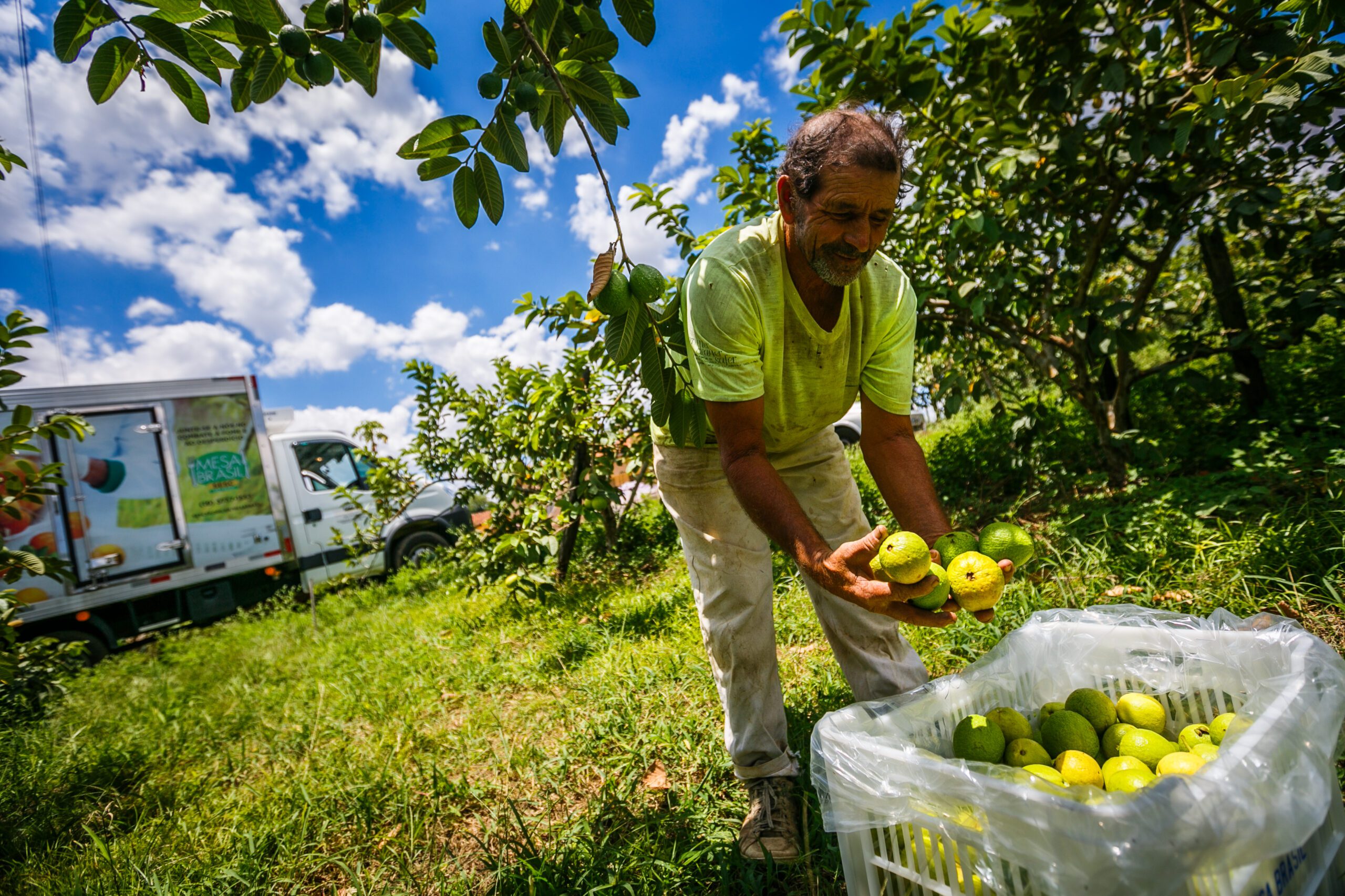
Just under 10% of the world’s population faces hunger while about a third of all food produced is lost or wasted — food that then decomposes, producing harmful greenhouse gases.
Food banking is a solution to all of these issues. Food banks recover nutritious surplus food from all along the supply chain, ensuring that food isn’t discarded but instead connected to people facing hunger.
Historically, while food banks have been known for their efficacy in hunger alleviation, they have been undervalued in their role in greenhouse gas reduction.
But food recovery, which is the specialty of food banks, is a readily available and effective way to cut methane emissions now — and cutting methane emissions is one of the fastest, most efficient ways to make meaningful strides to mitigate climate change.
The Global FoodBanking Network (GFN) helps food banks gain recognition for their environmental work and become climate and social impact leaders. In doing so, food banks are becoming a humanitarian climate infrastructure — delivering measurable environmental impact while feeding people. We’re moving this work forward in four main ways.
In 2024, with support from the Global Methane Hub, GFN launched FRAME — a standardized methodology that measures how food banking reduces emissions while improving food security. FRAME translates everyday food recovery operations into credible climate data, capturing avoided greenhouse gas emissions (particularly methane), reductions in food loss and waste, and improvements in nutrition and livelihoods. It makes the environmental impact of food banks visible, verifiable and usable by governments, donors and companies.
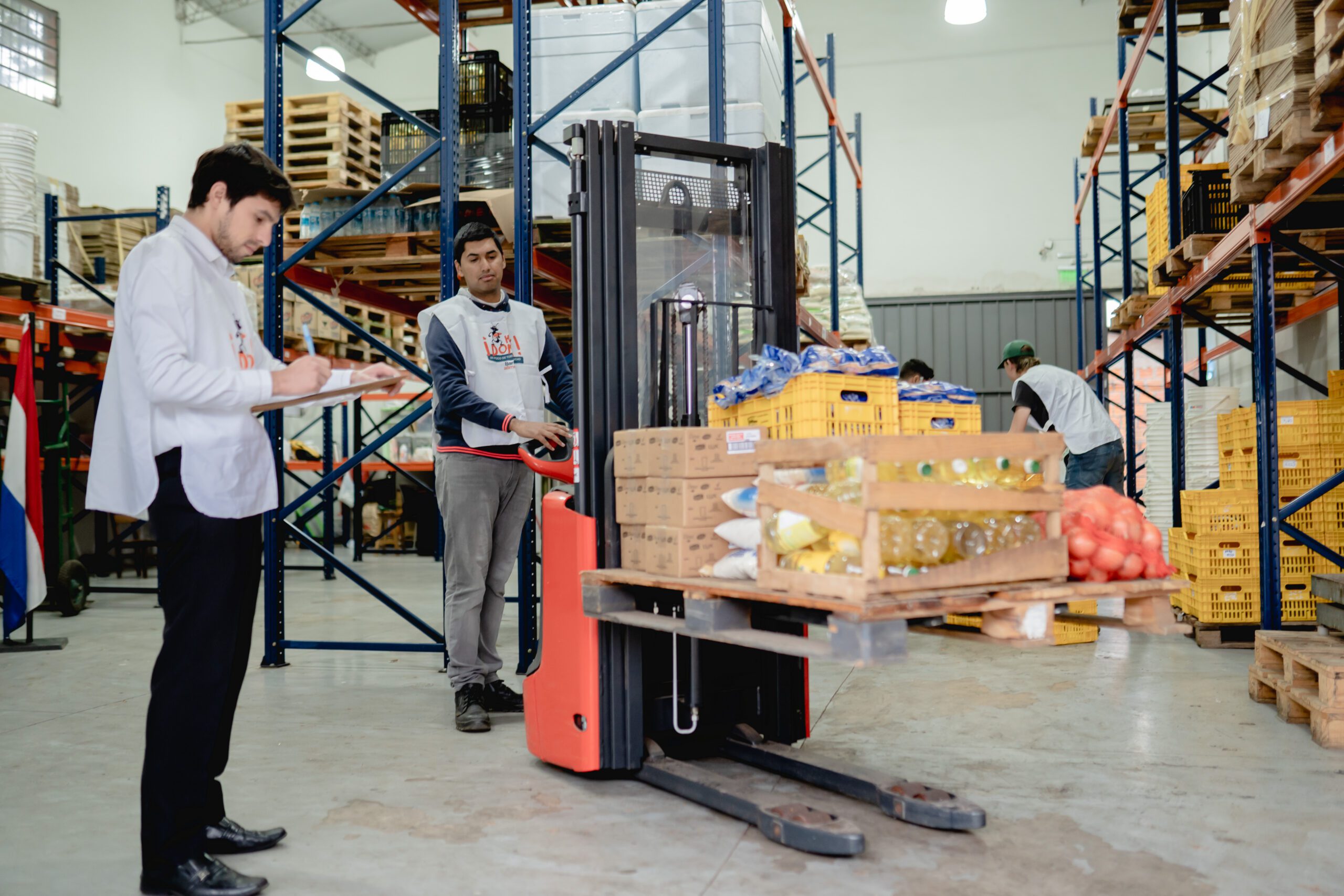
Today, 12 GFN member food banks use FRAME, with more joining each year. In 2025 alone, FRAME quantified impacts across those 12 food banks, documenting 167,610 metric tons of CO₂e avoided and 6,910 metric tons of methane mitigated — the equivalent of taking more than 11,000 gasoline-powered cars off the road during the year. That’s on top of 155,000 metric tons of food diverted from waste, while serving 2.67 million people per month and providing nearly one‑third of their daily nutritional needs.
Beyond measurement, FRAME helps food banks operate more efficiently: It reveals where emissions come from, where food is lost and where investments deliver the greatest impact. At Banco de Alimentos de Quito, for example, data from the methodology guided investments in climate‑friendly refrigeration. The result was a reduction in total operational emissions by 64% over two years, while increasing food distribution by 34%.
FRAME also enables real operational change. In Paraguay, FRAME elevated food banking from a social program to a climate solution. Fundación Banco de Alimentos Paraguay is now the official source for tracking food‑related emissions reductions under the country’s climate plan.
These results show why FRAME is a cornerstone of GFN’s approach to humanitarian climate infrastructure. Food banks are already reducing emissions, feeding millions and strengthening resilience. FRAME ensures that this impact is measured, recognized and scalable.
With credible, verifiable evidence of the social and environmental impact of food banks through FRAME, GFN can help governments adopt official food recovery actions that reduce emissions. And GFN is also training member food banks to engage in food recovery policy processes at the national level.
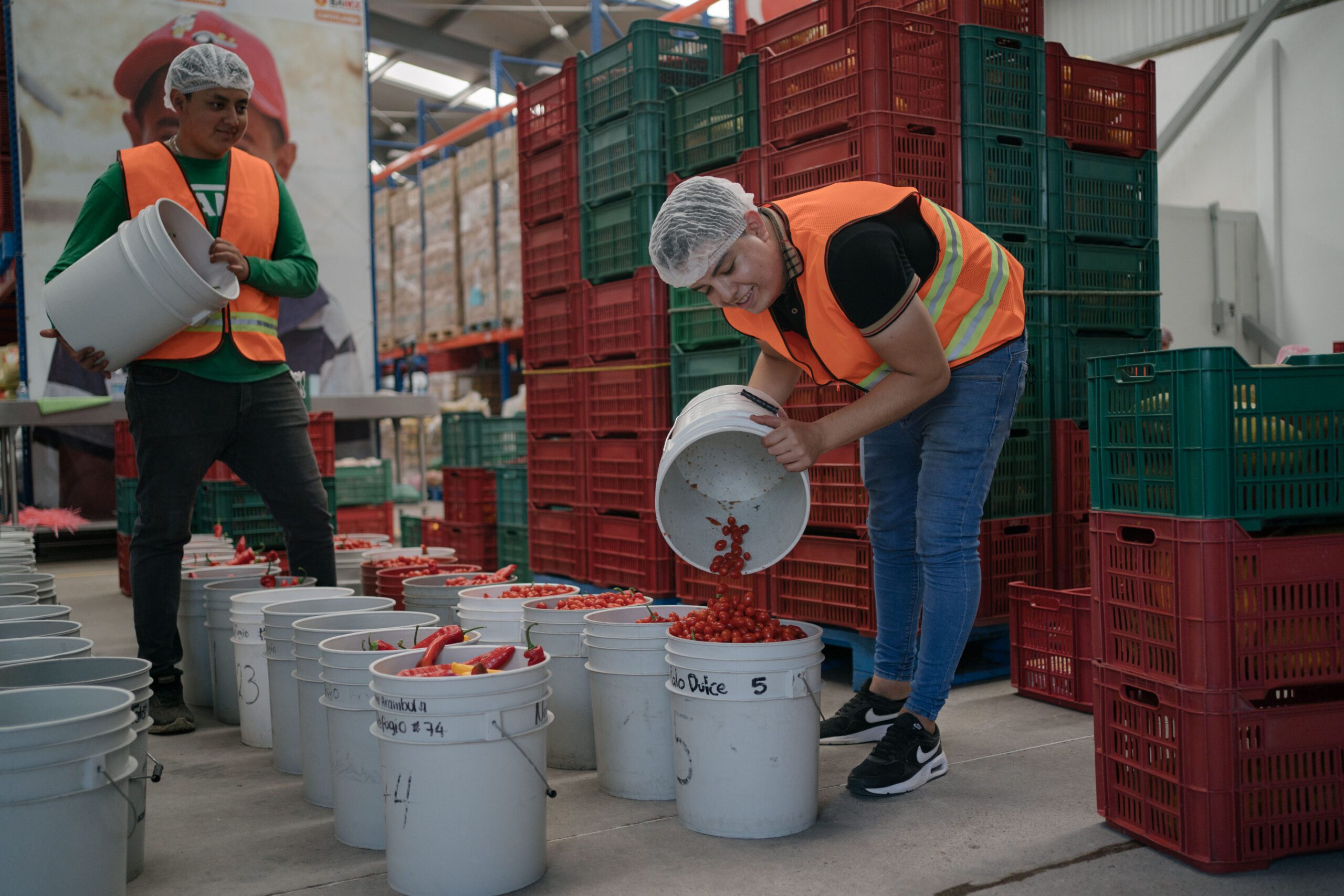
For example, GFN worked with member food banks and national governments in Colombia, Chile, Ecuador, Mexico and Paraguay to include food banking in their respective climate plans, known as nationally determined contributions, or NDCs. GFN has since expanded this work to Guatemala and Costa Rica, where food banks are actively engaged in NDC development processes and dialogue with national governments. A country’s NDCs are a critical entry point for change: They set climate priorities, mobilize resources, and create pathways for financing and implementation.
Ecuador and Paraguay show what meaningful integration into these processes can look like. Ecuador became the first country to recognize a food bank as an official climate initiative, explicitly linking that recognition to access to financing. Paraguay complemented this by setting quantified methane‑reduction targets and designating its food bank as a national climate actor responsible for tracking results. Together, they establish two essential precedents: climate eligibility and climate accountability.
Momentum is growing elsewhere, too. Mexico and Colombia now position food banks as climate service providers, embedding food loss and waste reduction across mitigation and adaptation efforts. Chile, Guatemala and Costa Rica are building enabling conditions through formal recognition of food loss and waste, active government engagement, and integration pathways beyond the NDC itself.
Additionally, the data collected by GFN and food banks via FRAME has potential use on a global scale. Recently, the government of Kenya proposed the use of FRAME as a global standard to the United Nations.
Across these countries, food banks are already operating as a humanitarian climate infrastructure — recovering large volumes of food, avoiding methane emissions and improving access to nutritious food. What unlocks their full potential is formal recognition, sustained investment and the ability — through FRAME and GFN — to turn operational evidence into climate action at scale.
Strong data combined with inclusion in official government plans can open up climate finance opportunities, which help food banks diversify their revenue streams. Government and multilateral funding, carbon pricing mechanisms, insets, participation in the voluntary carbon market and green bonds are all potential avenues for new funding.
Some food banks are already benefiting from such funding. UNIDO, the United Nations Industrial Development Organization, fully funded an upgrade of Banco de Alimentos Quito’s refrigeration system — which was directly connected to the food bank’s environmental impact data from FRAME. And FoodForward South Africa’s methane project was recently approved for the governments Just Energy Transition (JET) Funding Platform Project Register. These cases demonstrate a direct line that connects verified climate data, government recognition and access to international climate finance — the pathway GFN is replicating across its network.
Food banks like Bancos de Alimentos de México (BAMX) and Peru’s Banco de Alimentos are already generating revenue through voluntary carbon markets, as well. For these food banks, it represents new meaningful revenue streams that didn’t exist for them just a couple of years ago — and the opportunity can generate up to 8% to 10% of their total organizational budget.
The Global FoodBanking Network (GFN) represents food banks on the world stage, advancing a clear message: Food banks are a humanitarian climate infrastructure. By recovering surplus food, they simultaneously reduce methane emissions, strengthen food security and build nutritional resilience for communities most exposed to climate impacts.
In 2025, GFN expanded global awareness of food banks as credible climate mitigation actors. Through participation in international forums such as COP30, global and regional conferences, exchange events, and direct engagement with governments, GFN helped position food recovery as a practical, scalable climate solution.
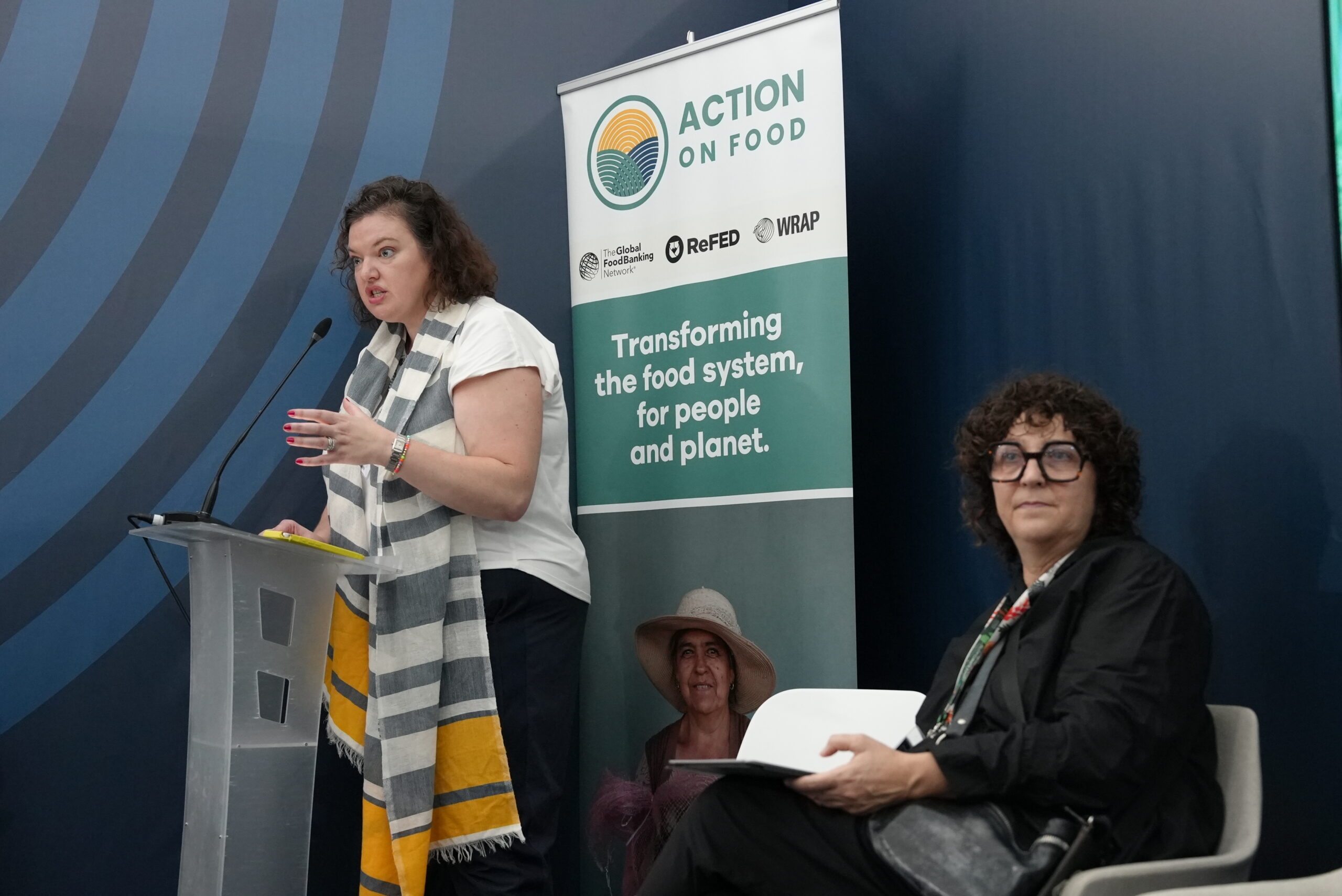
Latin America has emerged as a global leader in this transformation. Food banks in seven countries are now formally recognized or actively engaged within national climate frameworks, demonstrating that food recovery can move from the margins of climate policy to its core.
Consistently, GFN has brought food recovery into global climate conversations where implementation, evidence and scale matter most. While this progress is significant, it is only the beginning. Every day, good food is still wasted while communities face hunger and methane emissions continue to rise. Food banks offer a solution that works now, with measurable impact.
If you want to help address hunger while avoiding harmful methane emissions, join us. Together, we can ensure food nourishes people — not the climate crisis.