Conflict, climate disasters and economic turmoil — combined with cuts to foreign aid — are driving hunger and stretching food banks even further.
See how they’re adapting and how you can stand with them.
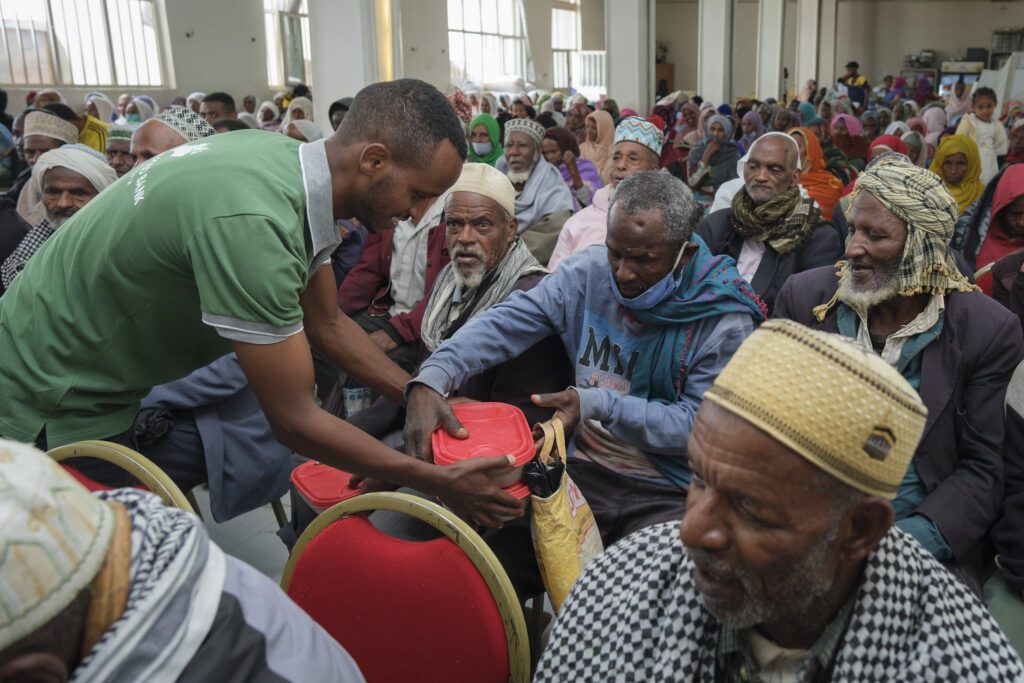
In 2026, the world is already facing the impacts of cuts to official development assistance (ODA), rising rates of hunger and natural disasters; Now conflict in the Middle East introduces new pressures to our global food system. Global hunger remains persistently high, with 1 in 11 people experiencing hunger and 1 in 3 people unable to afford a healthy diet.
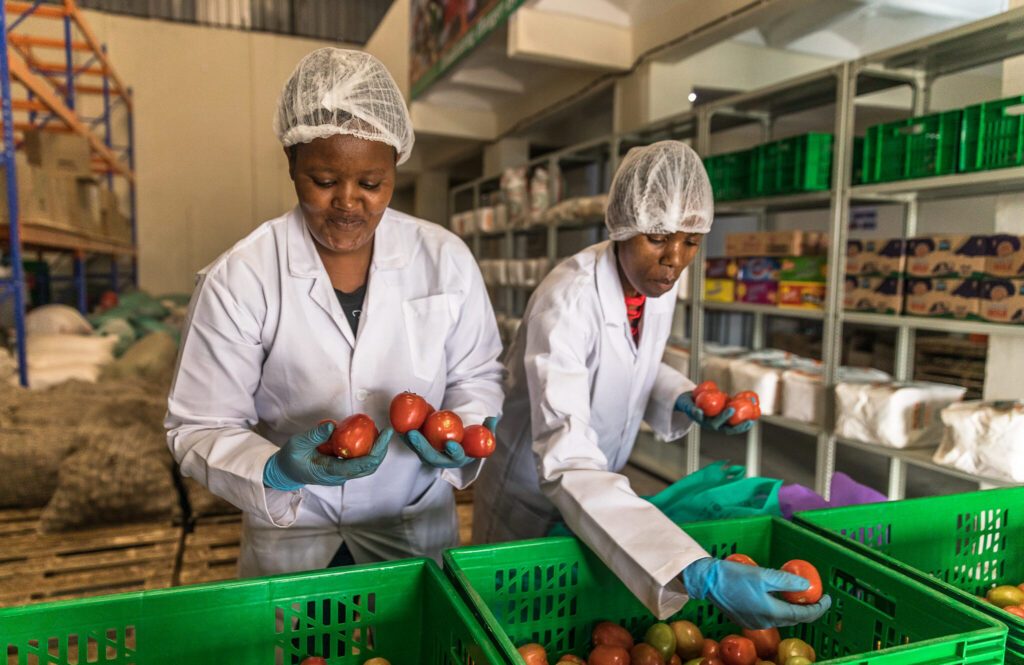
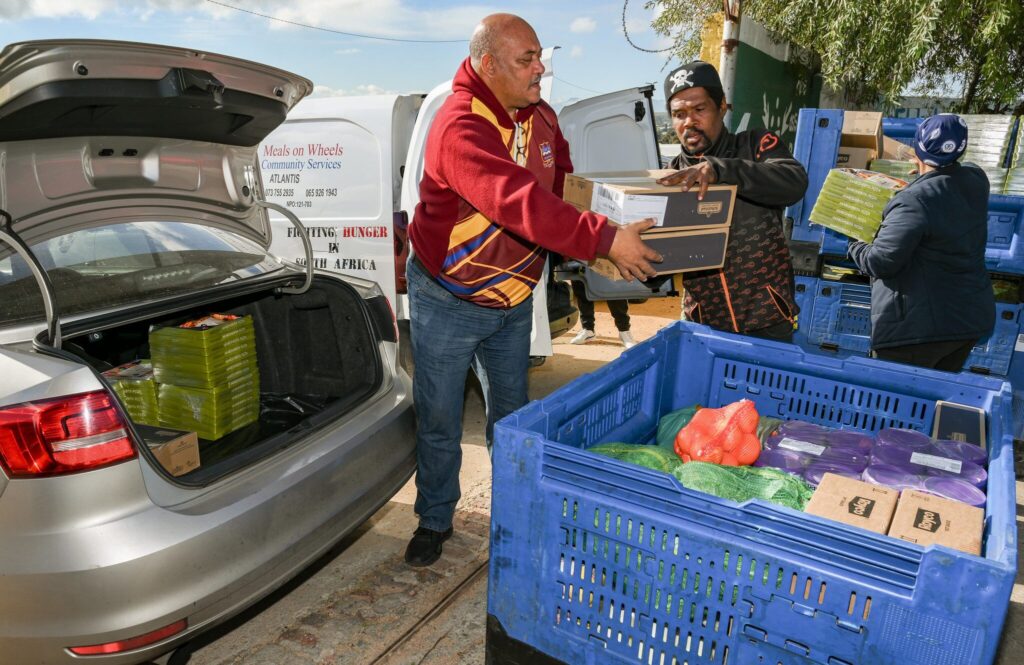
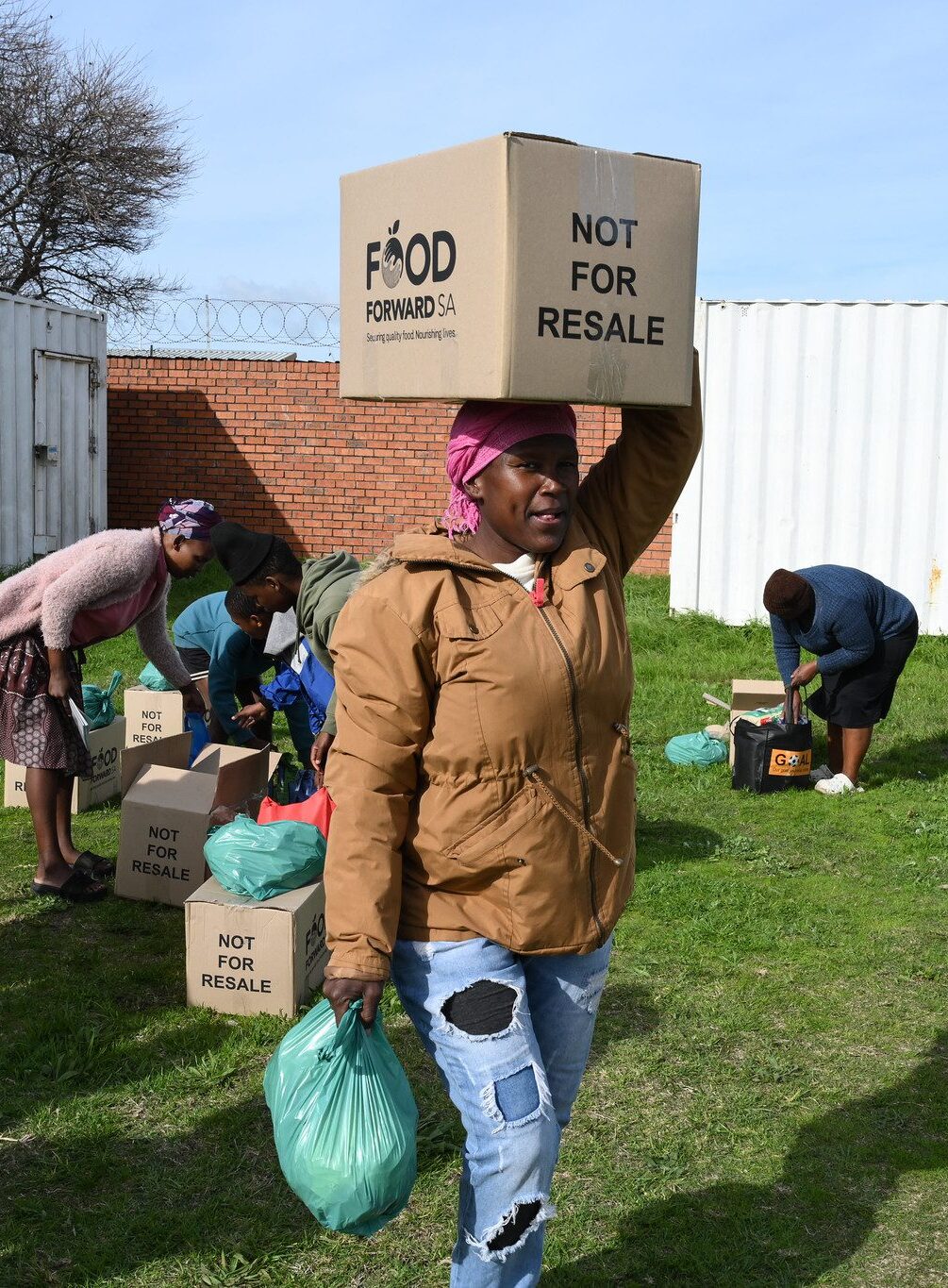
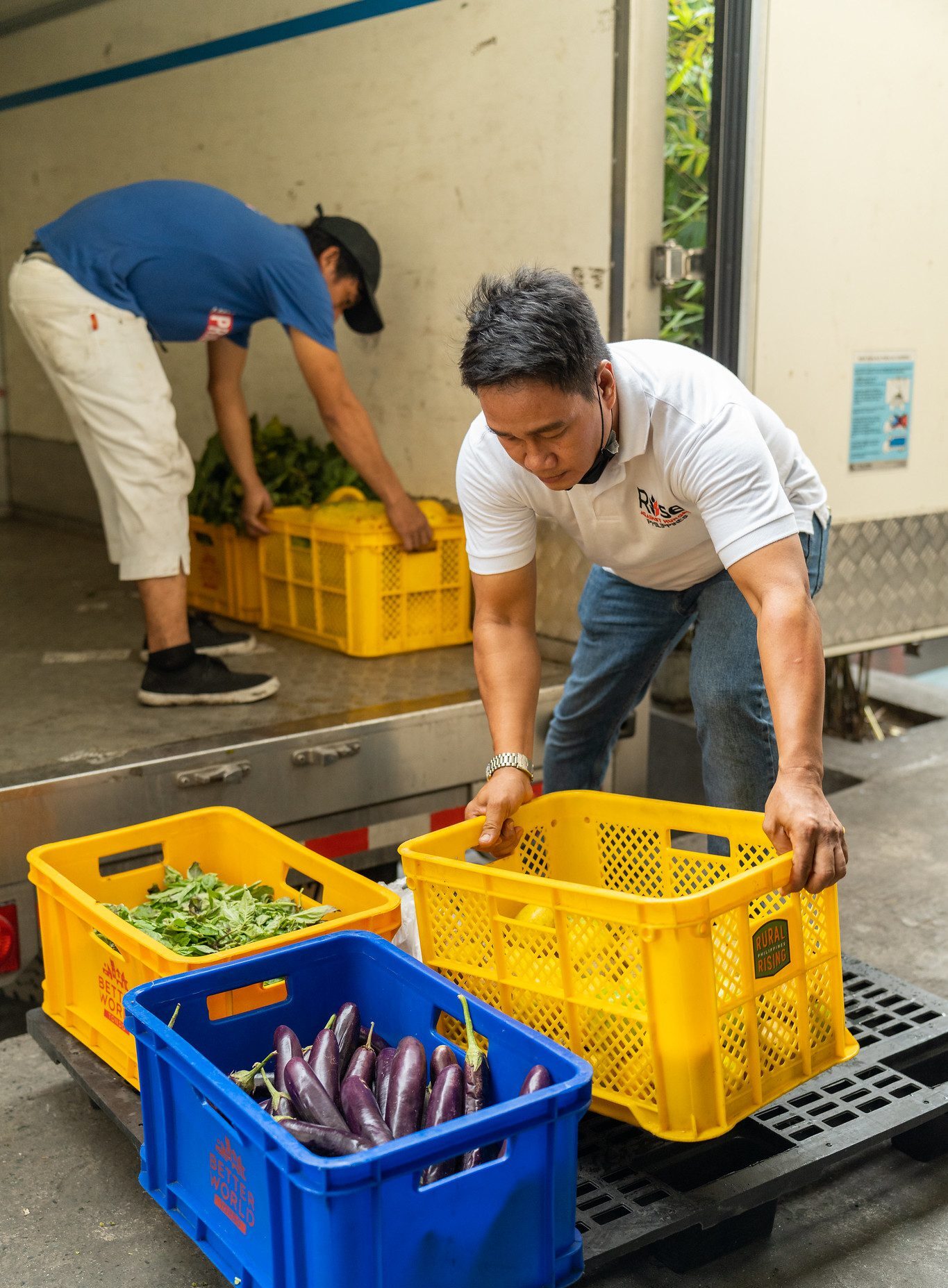
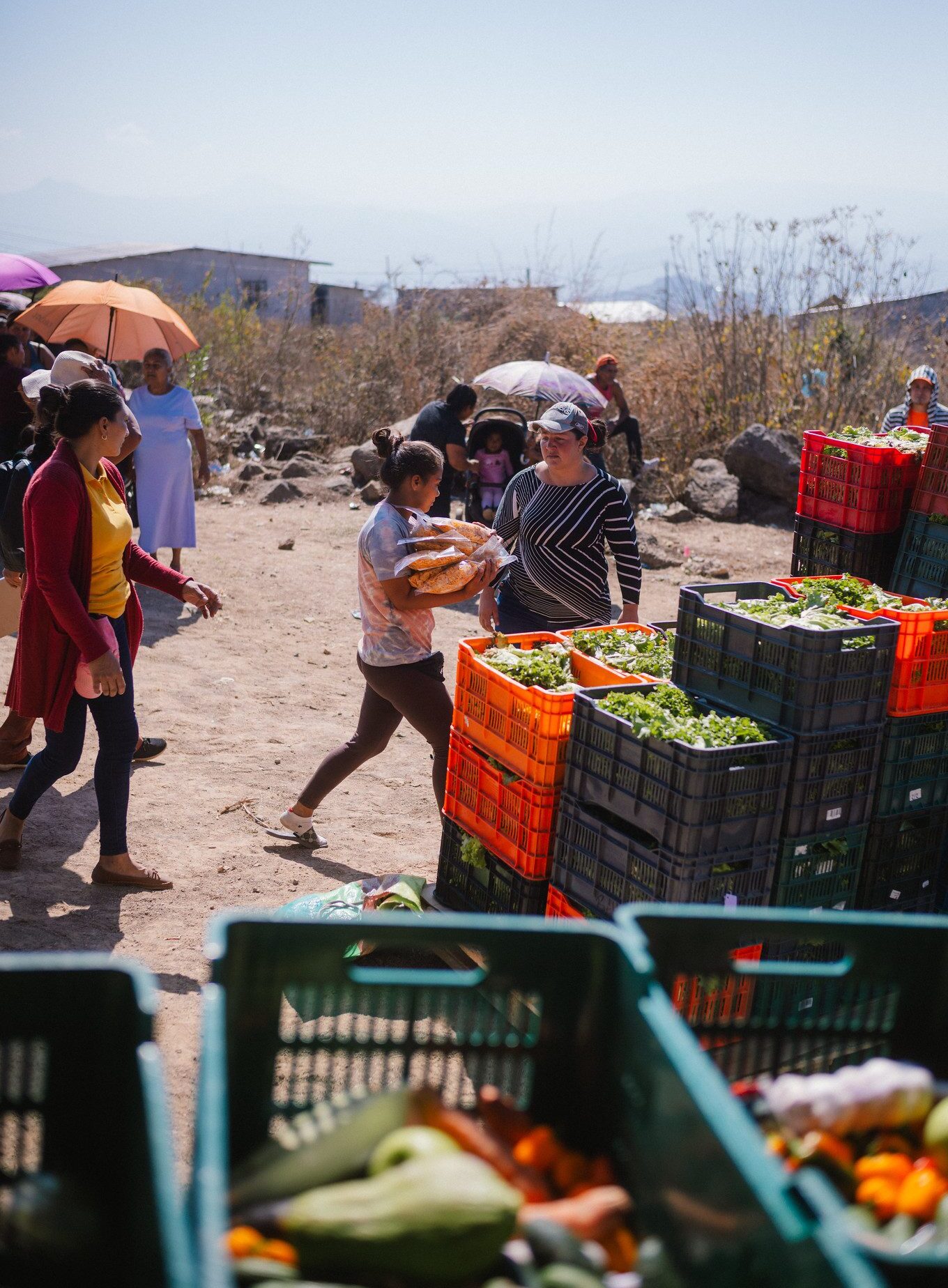
Despite these pressures, GFN’s network continues to deliver and adapt to these pressures, providing the equivalent of 2 billion meals annually across more than 50 countries, including U.N. Hunger Hot Spots and USDA‑identified food‑insecure nations.
The GFN team is working closely with our network to bring you up-to-date information on the specific challenges facing GFN food banks — learn more below or read our latest situation report.
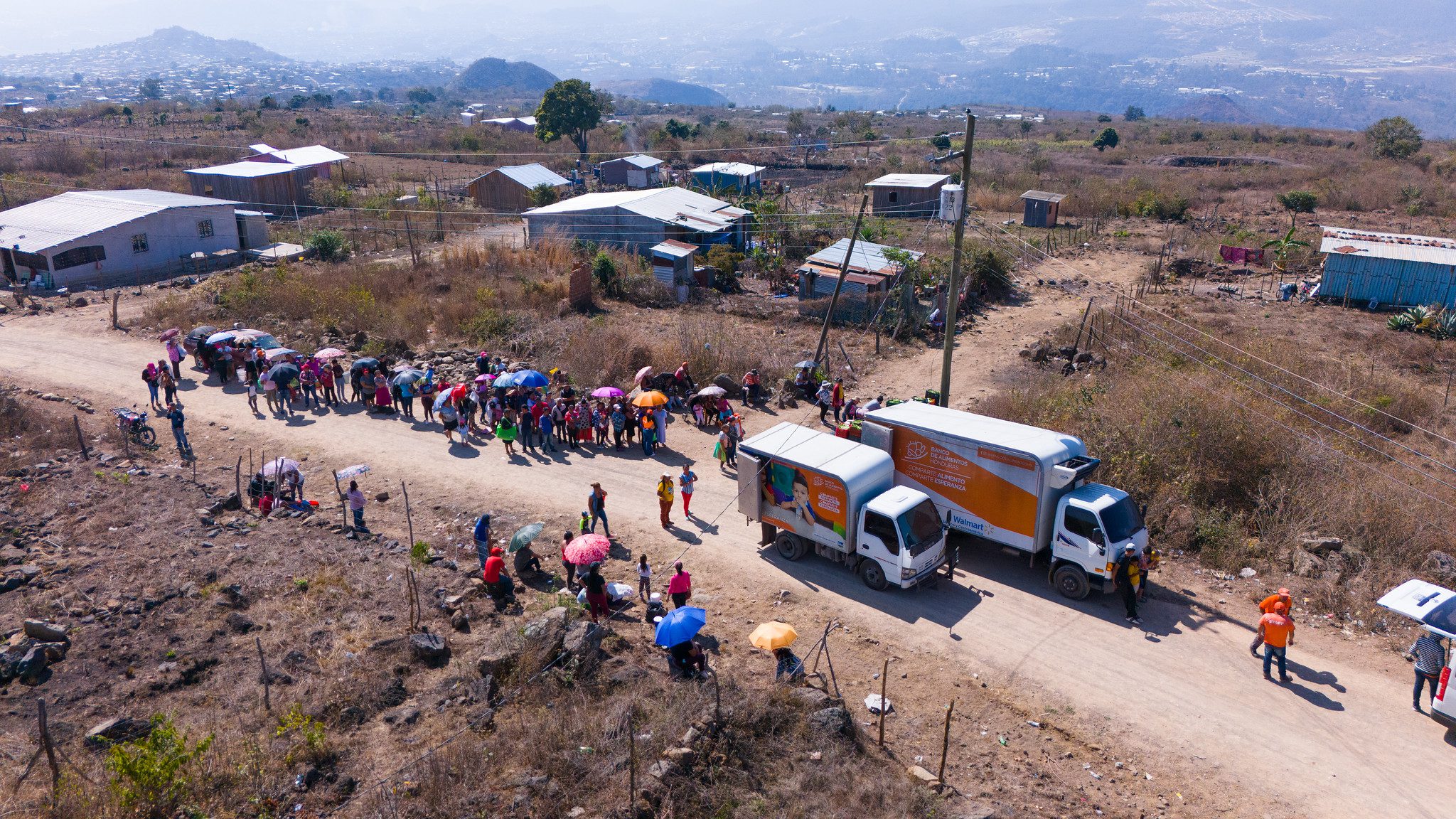
Aid cuts and conflict are increasing the need for food assistance and putting local food banks at risk. Together, we can respond swiftly and strategically to fill critical gaps and demonstrate our shared commitment to global food security and community resilience.
Contact Vicki Clarke at vclarke@foodbanking.org to learn more.
"Development work around hunger and nutrition is changing. There is a growing need for resilient, locally driven models that can absorb shocks from funding disruptions and climate variability.”
John Gathungu, Food Banking Kenya
APRIL 1, 2026

APRIL 1, 2026
APRIL 1, 2026