Khi tổ chức Rise Against Hunger Philippines (RAHP) biết được hơn 501 tấn nông sản bị lãng phí tại Cảng nông sản Nueva Vizcaya, một trong những trung tâm giao dịch rau quả lớn nhất cả nước, giải pháp của họ rất rõ ràng: Tìm cách chuyển hướng số thực phẩm đó đến các cộng đồng địa phương trước khi nó bị lãng phí.
Phần lớn nông sản bị lãng phí tại các kho chứa, dù vẫn tươi ngon và bổ dưỡng, đều bị loại bỏ do những đặc điểm riêng như hình thức hay kích thước của rau củ, ảnh hưởng đến khả năng bán được trong quá trình giao dịch. Quá trình chọn lọc này thường dẫn đến việc rau củ bị bỏ mặc cho thối rữa dọc theo các tuyến đường cao tốc và sườn núi.
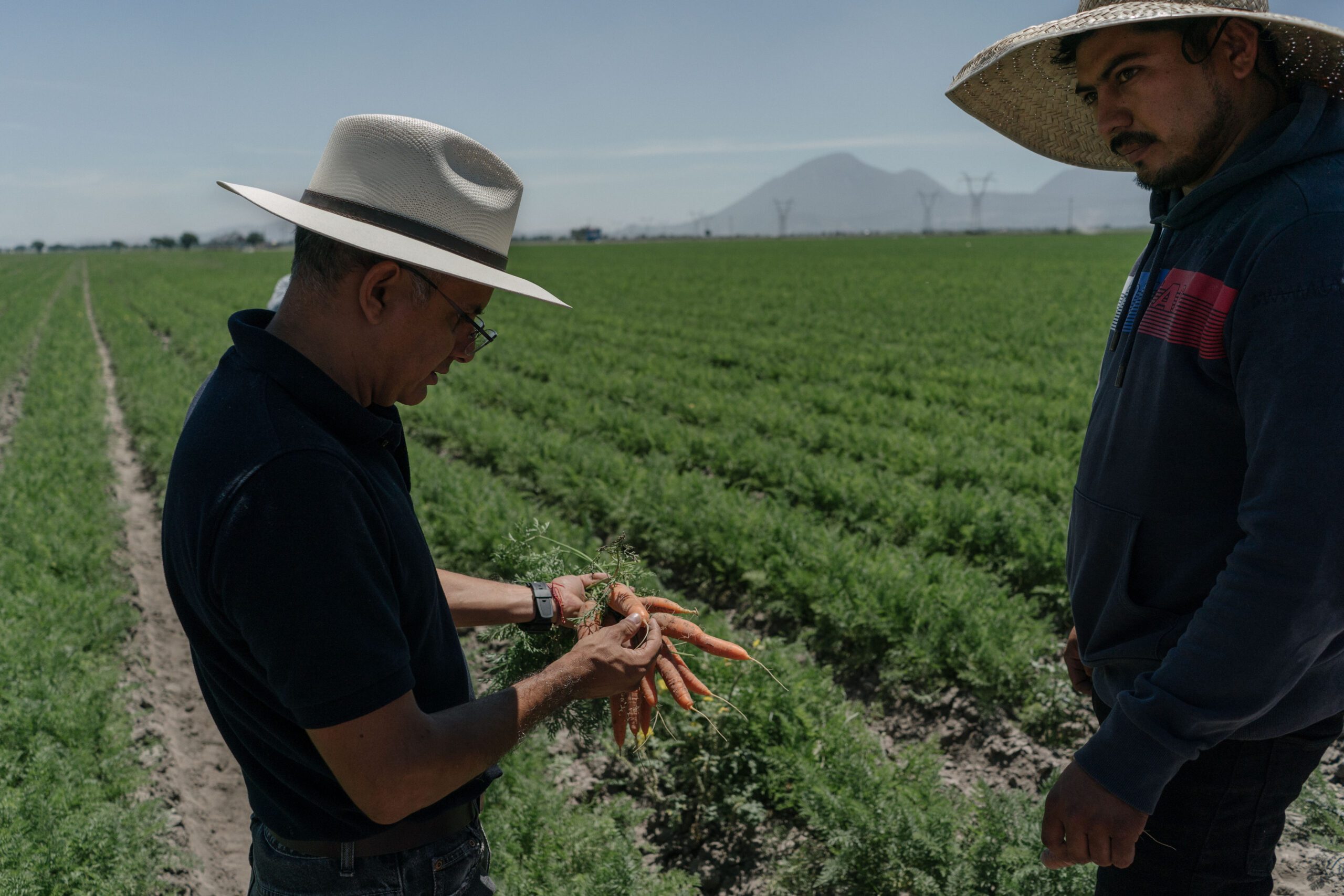
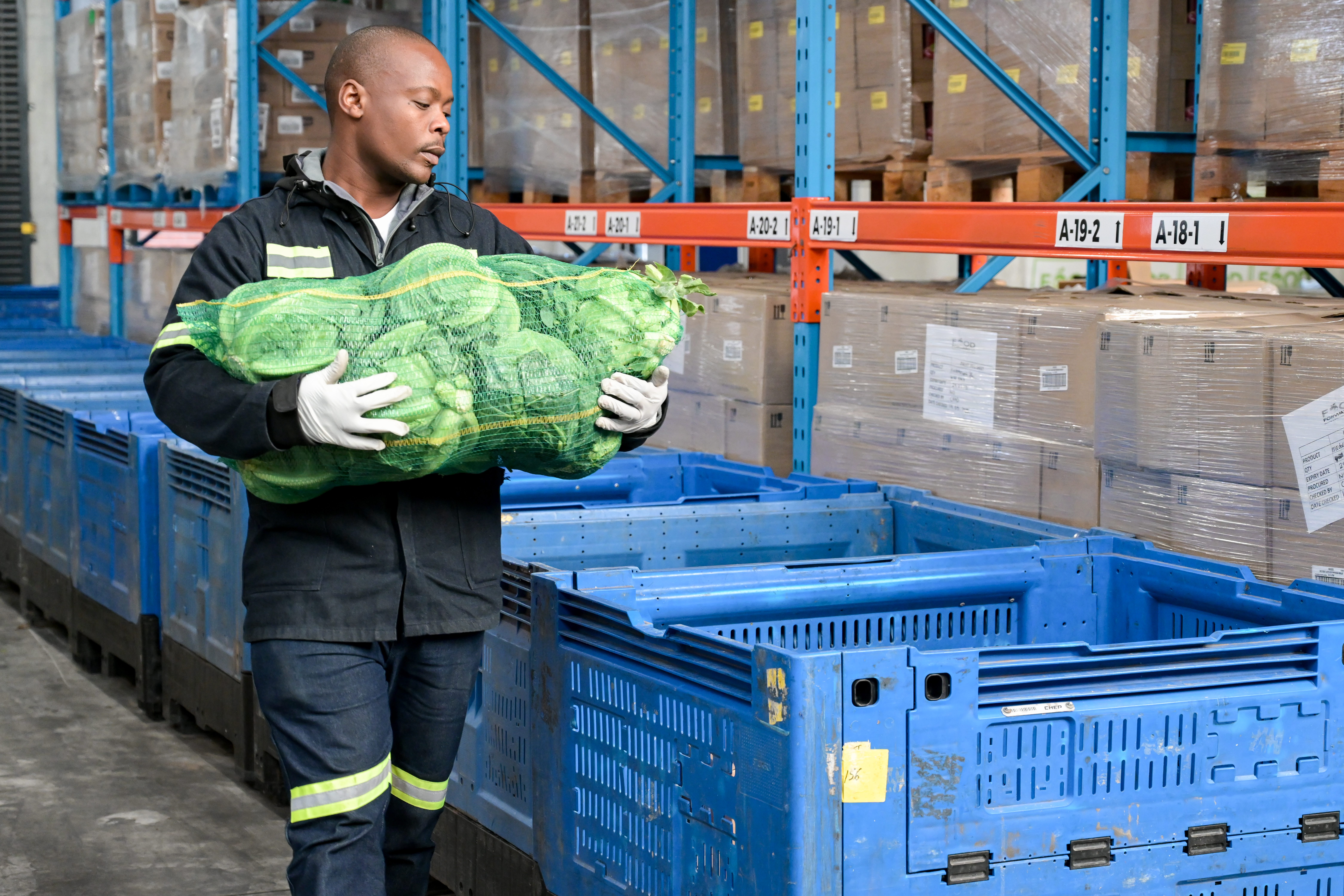
Theo nghiên cứu do GFN tài trợ về tác động của việc lãng phí thực phẩm tại trạm giao dịch, Sự hợp tác giữa RAHP và Cảng nông sản Nueva Vizcaya Điều này dẫn đến sự ra đời của một ngân hàng thực phẩm mới, một ngân hàng sử dụng hệ thống trao đổi hàng hóa. Khi rau củ được coi là không bán được tại trạm giao dịch, nông dân có thể đến ngân hàng thực phẩm, nơi sẽ đánh giá và xác định giá trị thị trường cho sản phẩm, cho phép nông dân địa phương trao đổi rau củ lấy các mặt hàng thực phẩm khác, như đồ hộp hoặc gạo.
Ngân hàng thực phẩm Nueva Vizcaya tạo cơ hội cho nông dân thu hồi vốn từ chi phí buôn bán. Ngân hàng thực phẩm này cũng cung cấp bữa ăn cho trẻ em trong độ tuổi đi học bằng các sản phẩm nông nghiệp thu hồi được.
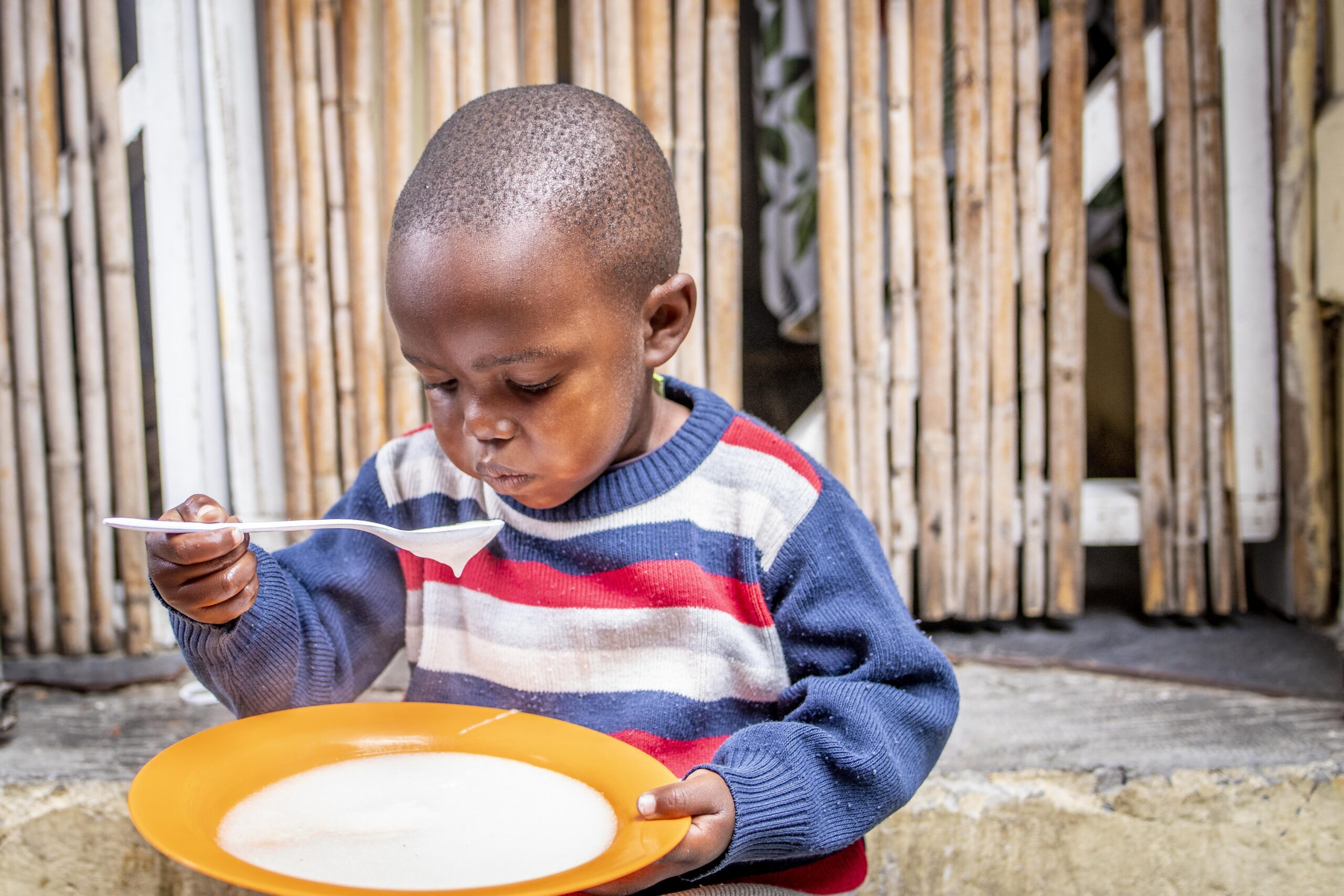
Khi nông dân bán rau củ của mình, RAHP sử dụng phần dư thừa để cung cấp thực phẩm cho khoảng 500 trẻ em tại 10 trường học thông qua sáng kiến chương trình bữa ăn học đường của ngân hàng thực phẩm. Chương trình này phục vụ các trường học có tỷ lệ suy dinh dưỡng cao nhất, cung cấp rau củ cho các em mang về nhà cho gia đình mỗi ngày.
Nhờ sự thành công của chương trình, cộng đồng đã phát triển mạnh mẽ hơn về tính gắn kết. Các trường học được RAHP hỗ trợ hiện đang hợp tác trực tiếp với các nông dân trao đổi hàng hóa để nhận thêm các khoản quyên góp cho trẻ em và gia đình của các em. RAHP cũng đã hợp tác với các nhà thờ địa phương, cung cấp rau tươi theo mô hình "quyên góp tùy khả năng", với mọi khoản quyên góp đều hỗ trợ chương trình bữa ăn học đường.
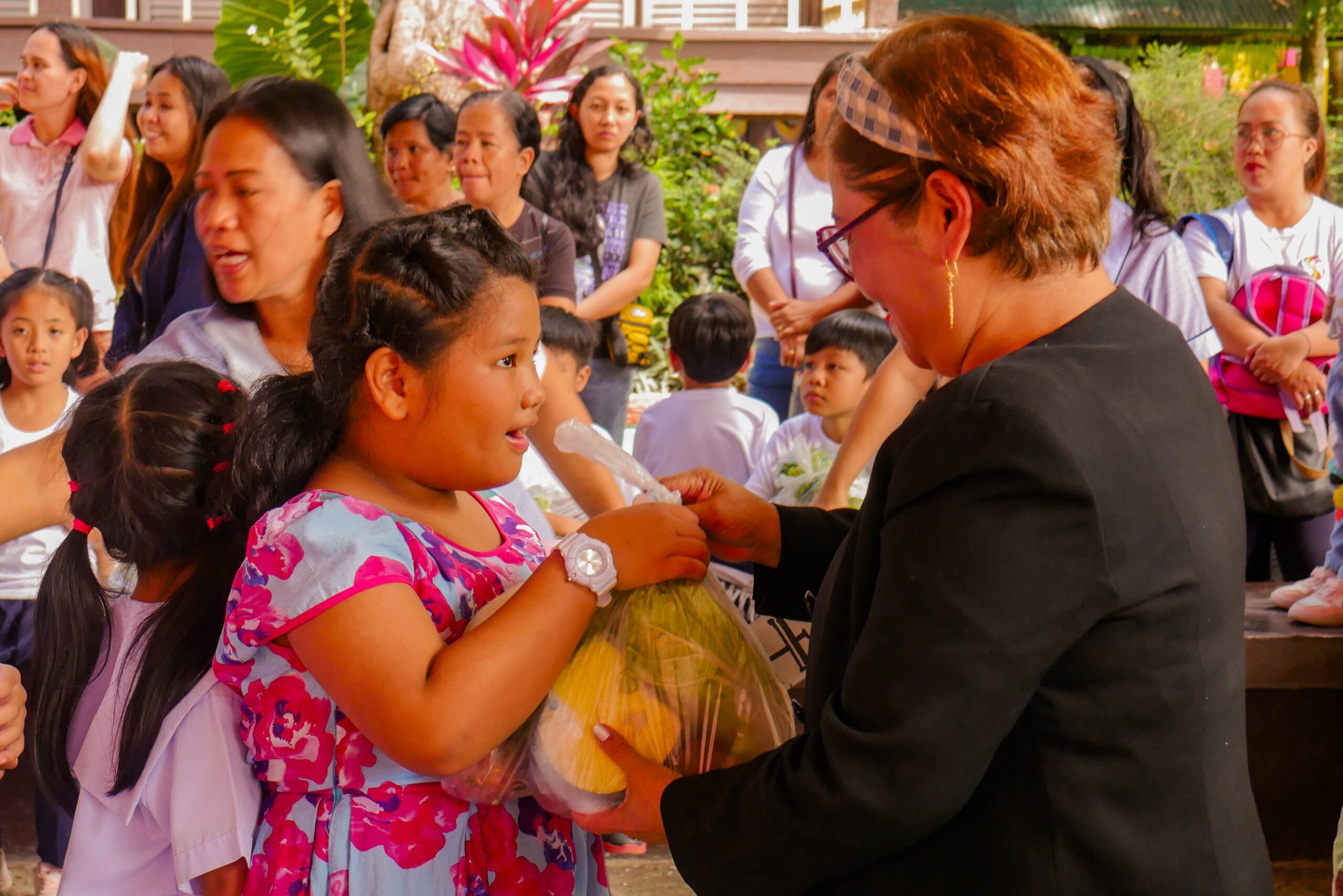
Bằng cách thu hút sự tham gia của các thành viên cộng đồng, RAHP thúc đẩy tinh thần tự lực, giúp cộng đồng tiếp tục giải quyết vấn đề nạn đói.
“Chúng ta nên trao quyền cho cộng đồng… để họ tìm ra những cách sáng tạo nhằm giải quyết vấn nạn đói nghèo”, ông Jomar Fleras, giám đốc điều hành của RAHP, cho biết.
Tiếp nối tinh thần cống hiến cho cộng đồng, ngân hàng thực phẩm đã thành lập một nhà máy chế biến thực phẩm do phụ nữ điều hành cho giai đoạn tiếp theo của chương trình. Để thu hồi được nhiều thực phẩm hơn từ điểm giao dịch, nhà máy sẽ sản xuất các món ăn nhẹ từ rau củ thu gom được, chẳng hạn như khoai tây chiên bí ngô, với trọng tâm đặc biệt là kéo dài thời hạn sử dụng của các sản phẩm dễ hư hỏng.
Sau khi được chế biến, các sản phẩm rau củ sẽ được bán cho các siêu thị ở Manila, thủ đô của đất nước. Các sản phẩm này sẽ được bán theo mô hình “cho đi để nhận lại”: Khi người tiêu dùng mua một gói khoai tây chiên làm từ các sản phẩm rau củ tái chế, một gói khác sẽ được cung cấp cho trẻ em trong chương trình bữa ăn học đường của ngân hàng thực phẩm.
Khởi đầu như một cách để ngăn ngừa lãng phí rau quả, nay đã phát triển thành một mạng lưới hỗ trợ. Nông dân địa phương có thể thu hồi chi phí sản xuất, trẻ em trong độ tuổi đi học nhận được những sản phẩm nông nghiệp giàu dinh dưỡng cần thiết cho một chế độ ăn uống lành mạnh, và phụ nữ có được kỹ năng mới và thu nhập thông qua chế biến thực phẩm.
“Chúng ta phải xem xét chuỗi giá trị và tạo ra giá trị trong chuỗi đó,” Fleras nói, “… và đó là những gì chúng ta đang làm.”
Để hiểu rõ hơn từ Jomar Fleras, Hãy lắng nghe tập thứ năm của podcast Food For Change của GFN.