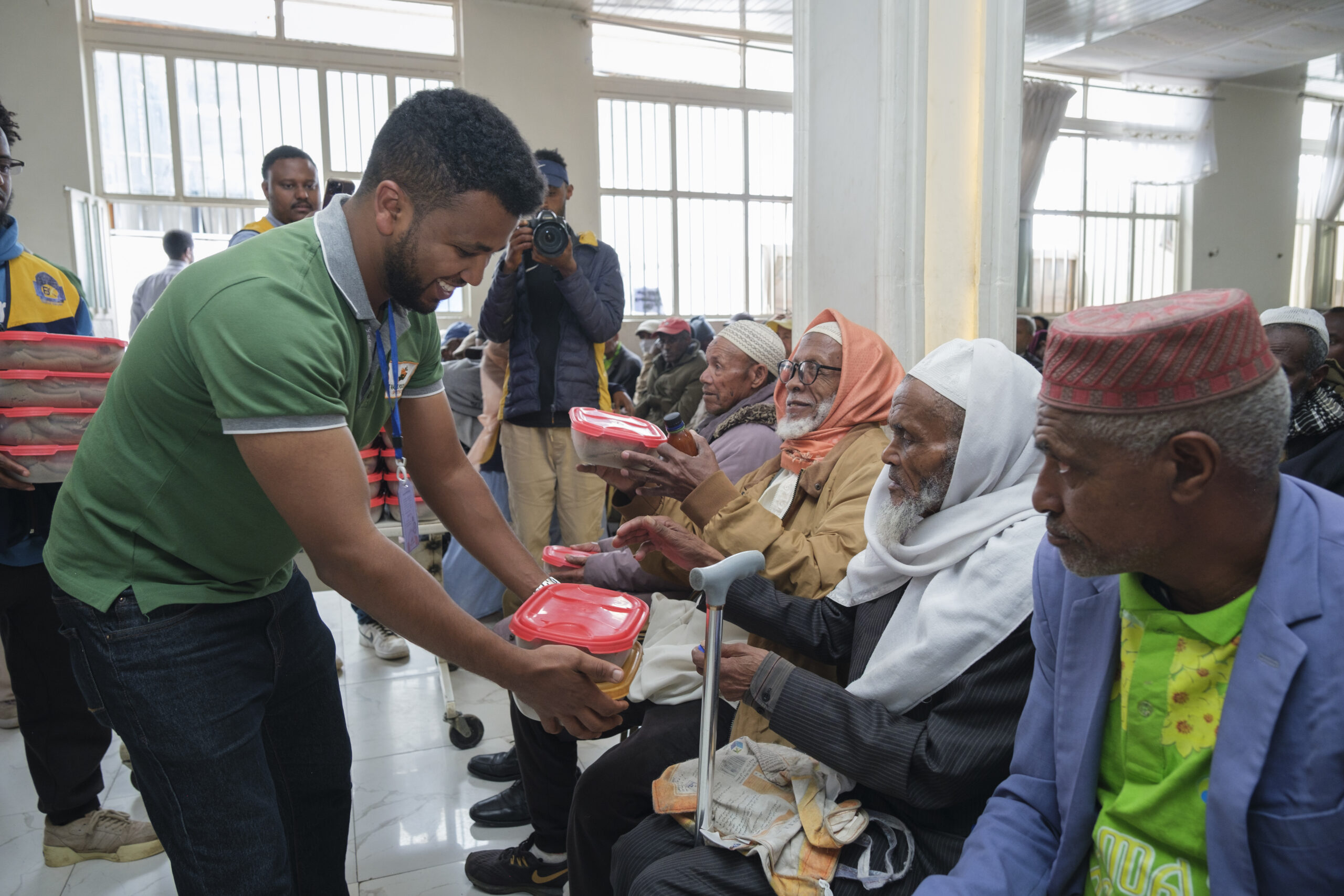
Tại bếp ăn cộng đồng Babul Kheyer ở một khu dân cư lao động của Addis Ababa, hàng trăm người, chủ yếu là người già và một vài phụ nữ trẻ có con nhỏ, xếp hàng chờ ăn trưa. Thực đơn hôm nay gồm những món ăn truyền thống của Ethiopia như bánh mì injera và món hầm đậu lăng, nhưng cũng có một món ít phổ biến hơn: món xào tươi gồm bắp cải, cà tím và ớt.
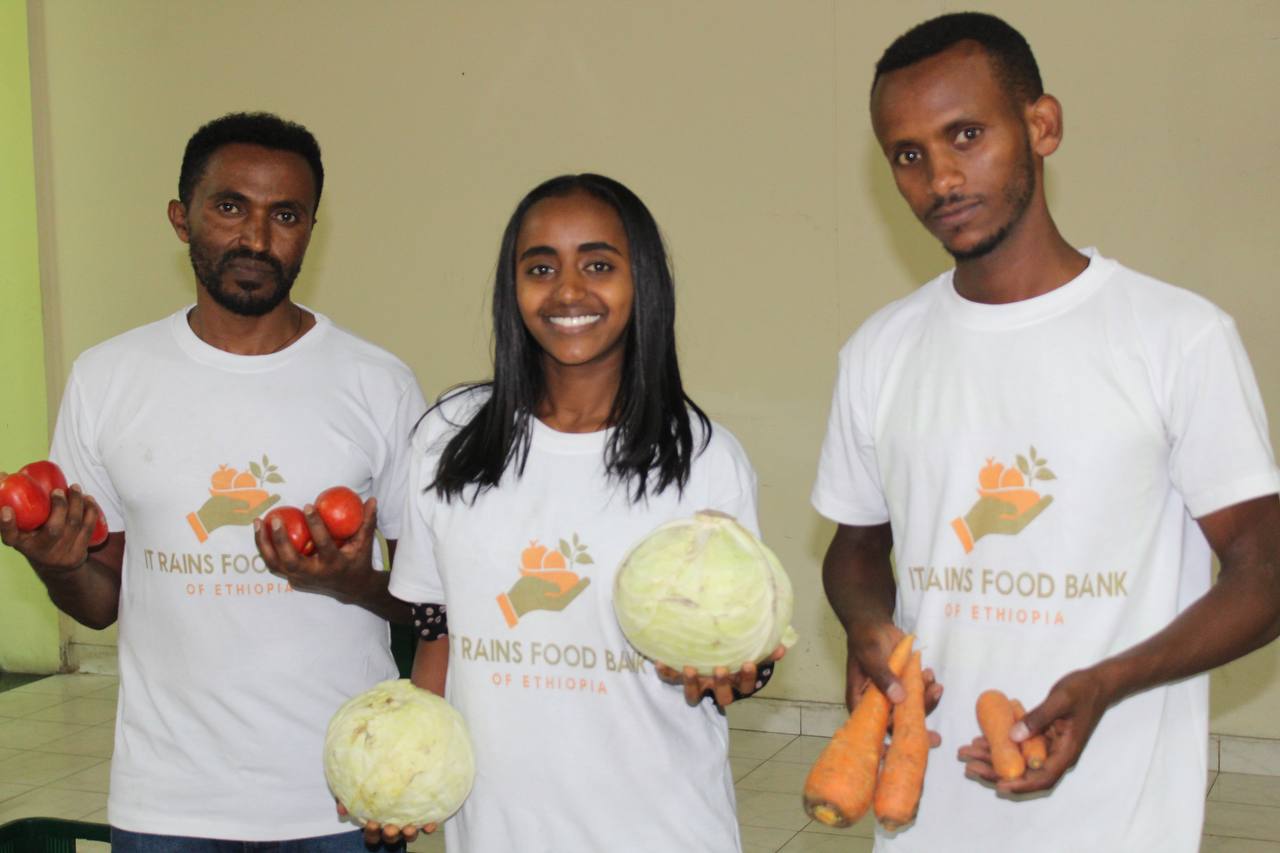
Zenawi Woldetensay, người sáng lập và giám đốc điều hành của Ngân hàng Thực phẩm Trời mưa của Ethiopia, Anh ấy nhìn đĩa thức ăn với vẻ tự hào. Rau củ hôm nay tượng trưng cho một hành trình dài của đội ngũ ngân hàng thực phẩm.
“Trong những năm đầu, chúng tôi phải đối mặt với nhiều thách thức liên quan đến việc thiếu nhận thức về vai trò của ngân hàng thực phẩm, sự bất ổn trong việc hợp tác với nông dân và thiếu hụt hậu cần,” Woldetensay cho biết. “Việc tạo dựng quan hệ đối tác là một thách thức, vì hầu hết các bên liên quan trong chuỗi cung ứng thực phẩm đều không nhận thức được hoặc không sẵn lòng hợp tác với ngân hàng thực phẩm.”
Được thành lập vào năm 2019 bởi Woldetensay và một số sinh viên đại học năng động khác, ngân hàng thực phẩm này nhận thấy tiềm năng to lớn trong chuỗi cung ứng thực phẩm của Ethiopia. Quốc gia sản xuất nông nghiệp chính này lãng phí tới 401.300 tấn nông sản, trong khi hơn 10 triệu người phải đối mặt với tình trạng thiếu lương thực.
Không lâu sau khi It Rains Ethiopia được thành lập và trở thành thành viên của Mạng lưới Ngân hàng Thực phẩm Toàn cầu (GFN), Đại dịch covid-19 Cuộc xung đột đã làm gia tăng tình trạng mất an ninh lương thực và gây khó khăn cho công tác hậu cần. Năm 2021, ngân hàng thực phẩm hầu như ngừng hoạt động do xung đột ở vùng Tigray làm trầm trọng thêm các vấn đề an ninh.
“Đã có lúc chúng tôi nghĩ rằng mô hình ngân hàng thực phẩm có lẽ chưa thể hoạt động hiệu quả ở Ethiopia,” ông nói.
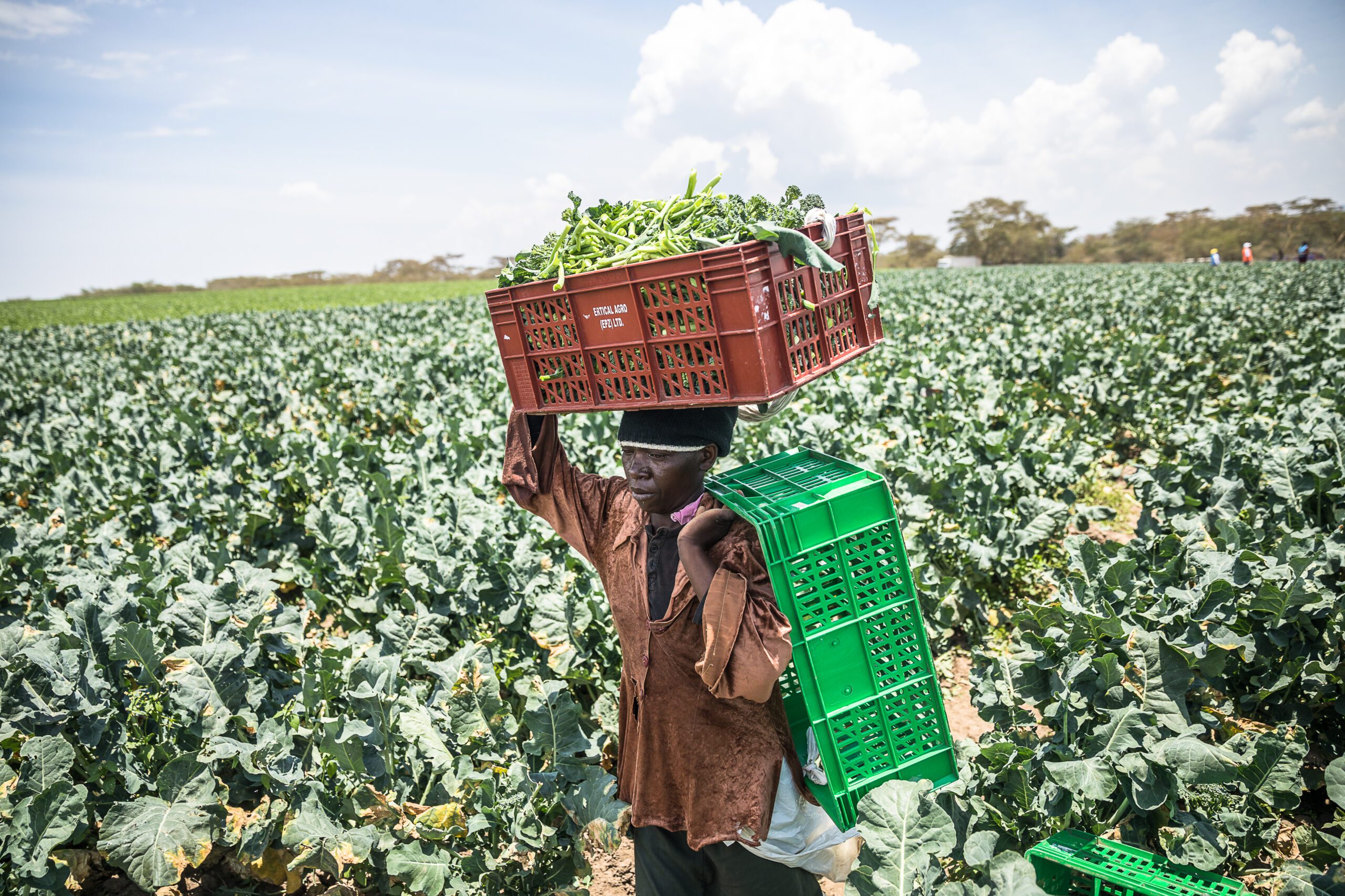
Nhưng Woldetensay và nhóm của ông vẫn kiên trì. Họ lập bản đồ các vùng nông nghiệp trọng điểm và bắt đầu liên hệ với các trang trại thương mại. Năm 2024, sau nhiều lần liên hệ không thành công, cuối cùng họ đã thành công với một công ty có tên là... EthioVegFru, một trang trại chủ yếu xuất khẩu sang các siêu thị châu Âu, đã đồng ý quyên góp phần dư thừa cho ngân hàng thực phẩm.. Trong tuần đầu tiên, họ đã thu gom được hơn 800 kg rau tươi.
“Lần giao hàng đầu tiên có ý nghĩa rất lớn đối với đội ngũ của chúng tôi,” Woldetensay chia sẻ. “Đó không chỉ đơn thuần là việc nhận được nông sản; đó là khoảnh khắc tràn đầy hy vọng, ý nghĩa và cảm giác thực sự rằng công việc của chúng tôi có ý nghĩa, không chỉ đối với chúng tôi mà còn đối với những người mà chúng tôi phục vụ.”
Sự hợp tác giữa Ngân hàng Thực phẩm It Rains của Ethiopia và EthioVegFru là sự kết hợp hoàn hảo. Do tính chất xuất khẩu — đáp ứng các đơn đặt hàng với tiêu chuẩn nghiêm ngặt về kích thước, hình dạng và màu sắc của sản phẩm — trang trại luôn có một lượng hàng dư thừa.
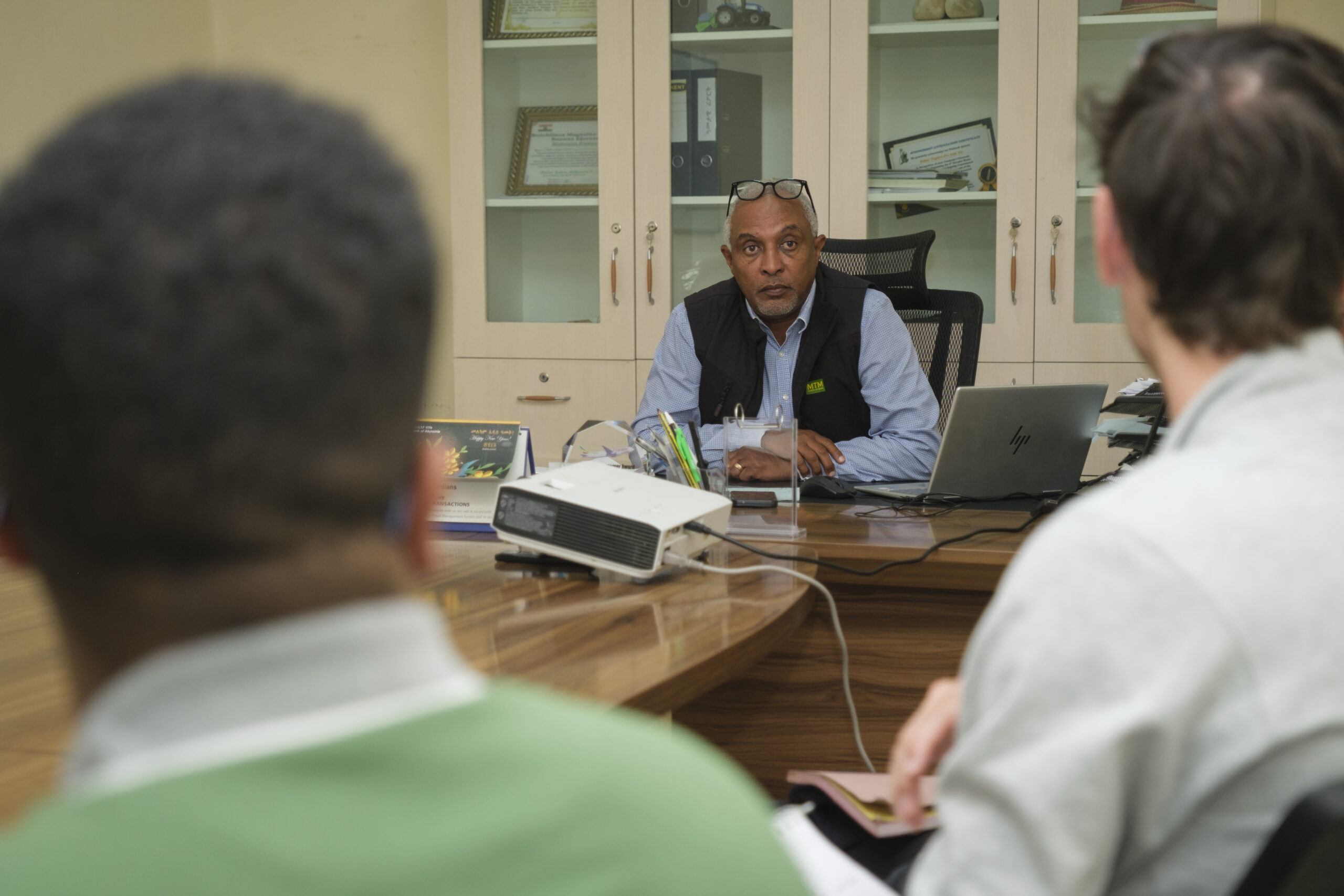
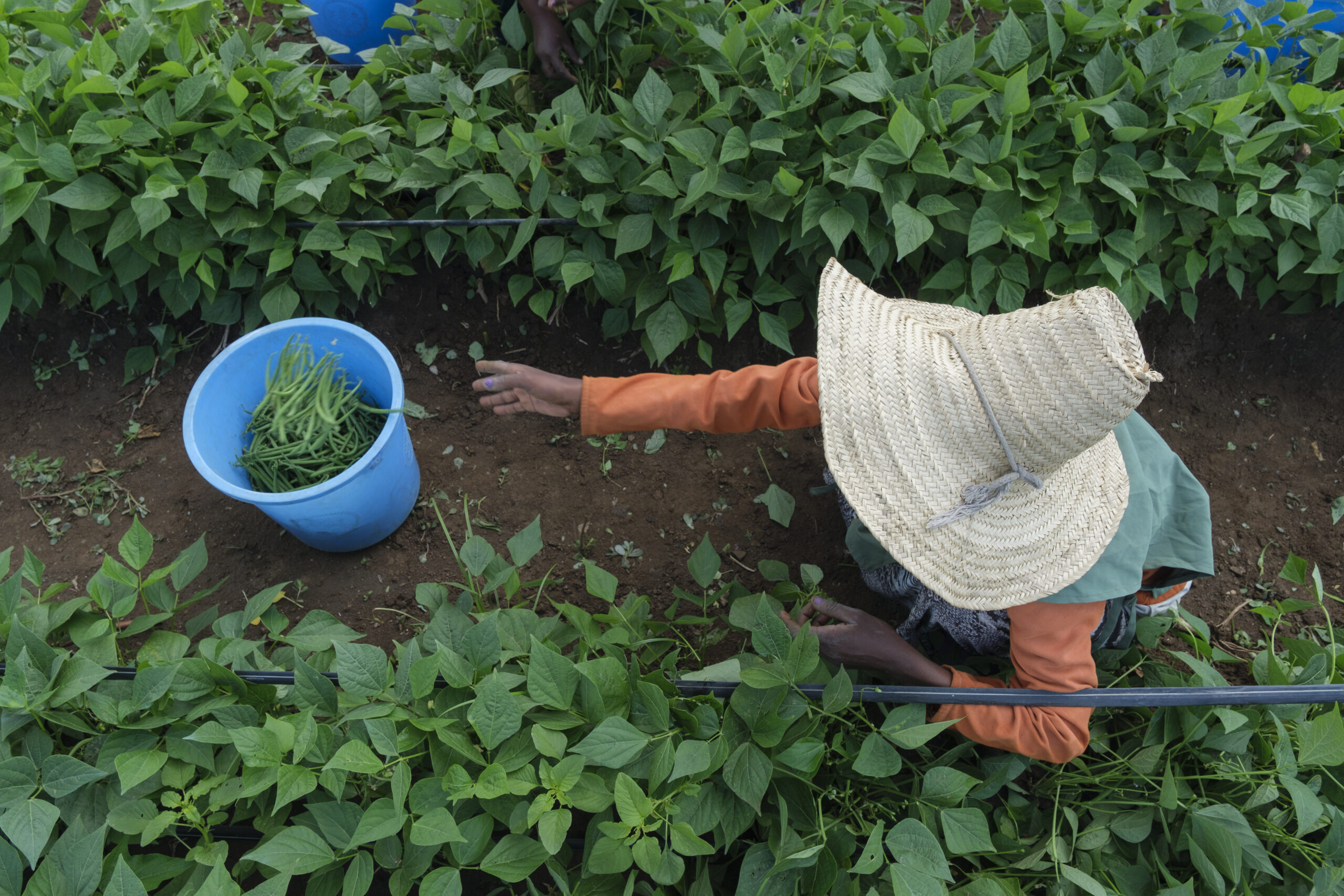
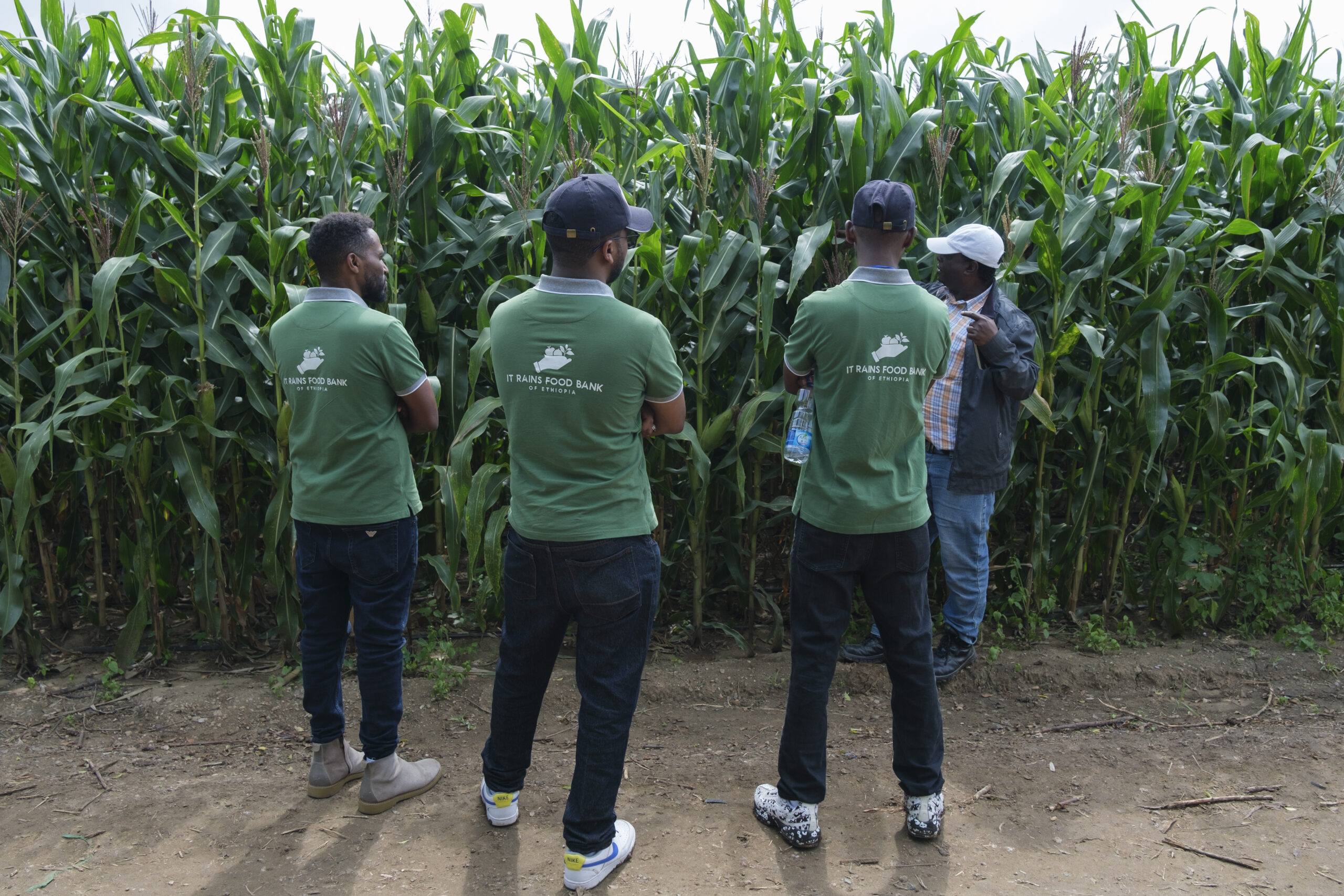
“Chúng tôi rất vui mừng khi có được sự hợp tác này vì trước đây chúng tôi thường chỉ đổ bỏ những sản phẩm dư thừa,” bà nói. Esayas Mengistu, Ông là tổng giám đốc của EthioVegFru. Việc lãng phí thực phẩm giàu dinh dưỡng khiến ông đau lòng, nhưng ông không thấy bất kỳ giải pháp thay thế nào khả thi về mặt chi phí trước khi ngân hàng thực phẩm đến gõ cửa. “Chúng tôi rất vui vì những loại rau này giờ đây đã đến tay những người cần chúng.”
Mối quan hệ hợp tác khiêm tốn này nhanh chóng phát triển mạnh mẽ. Trong năm đầu tiên hợp tác với EthioVegFru, ngân hàng thực phẩm đã thu hồi được 60.000 kg nông sản tươi.
Món cà tím và bắp cải xào được phục vụ tại trung tâm Babul Kheyer chỉ là một trong số những bữa ăn bổ dưỡng gồm trái cây và rau tươi được phục vụ cho hơn 5.000 người mỗi ngày tại khu phố Kuas Meda.
Việc hợp tác với các tổ chức cộng đồng như Babul Kheyer và chứng kiến tác động trực tiếp đang thúc đẩy It Rains mở rộng hơn nữa.
Là một ngân hàng thực phẩm trẻ với nhiều tiềm năng, It Rains đã được chào đón nồng nhiệt. của GFN Máy gia tốc chương trình Năm 2024, họ nhận được hỗ trợ kỹ thuật chuyên biệt và các khoản tài trợ mang tính xúc tác để thúc đẩy sự phát triển. Một năm sau, họ được chọn tham gia nhóm đầu tiên của GFN. Trung tâm phục hồi nông nghiệp. Thông qua các buổi đào tạo trực tiếp và các phiên họp cộng đồng thực hành trực tuyến hàng tháng, It Rains đang học hỏi kinh nghiệm từ các ngân hàng thực phẩm khác trên khắp thế giới về cách thu hồi và phân phối nông sản một cách hiệu quả.
“Việc được nhiều người biết đến như thế này rất quan trọng vì bạn có thể thấy được vị trí hiện tại của ngân hàng thực phẩm và hướng đi tiềm năng trong tương lai,” Feven Abraham, điều phối viên tìm nguồn cung ứng sản phẩm và gây quỹ tại It Rains, cho biết.
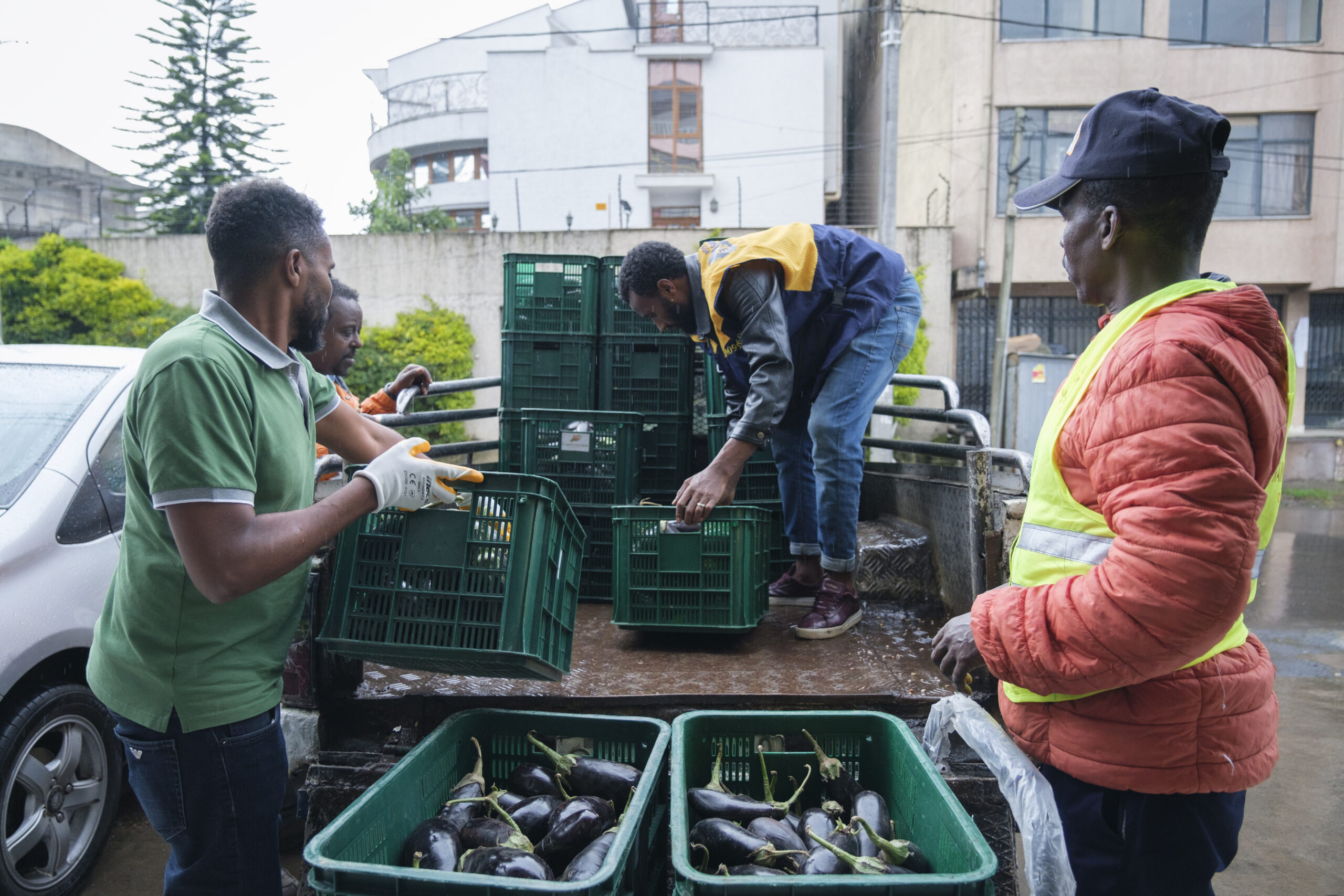
Nhưng có một rào cản quan trọng: EthioVegFru có lượng nông sản dư thừa nhiều hơn khả năng vận chuyển của ngân hàng thực phẩm. It Rains chỉ sở hữu một chiếc xe tải nhỏ và không thể chở nhiều nông sản trong đó. Họ thường thuê một chiếc xe tải hai tấn để thu gom nông sản, nhưng chi phí rất cao, chiếm gần một phần ba chi phí hoạt động của họ.
Nhờ nguồn tài trợ mang tính xúc tác từ GFN... Máy gia tốc Nhờ chương trình này, ngân hàng thực phẩm đã có thể mua được chiếc xe tải 4,2 tấn của riêng mình. Với khả năng vận chuyển gấp đôi và ngân sách được giải phóng, điều này đang thúc đẩy It Rains tiến lên phía trước.
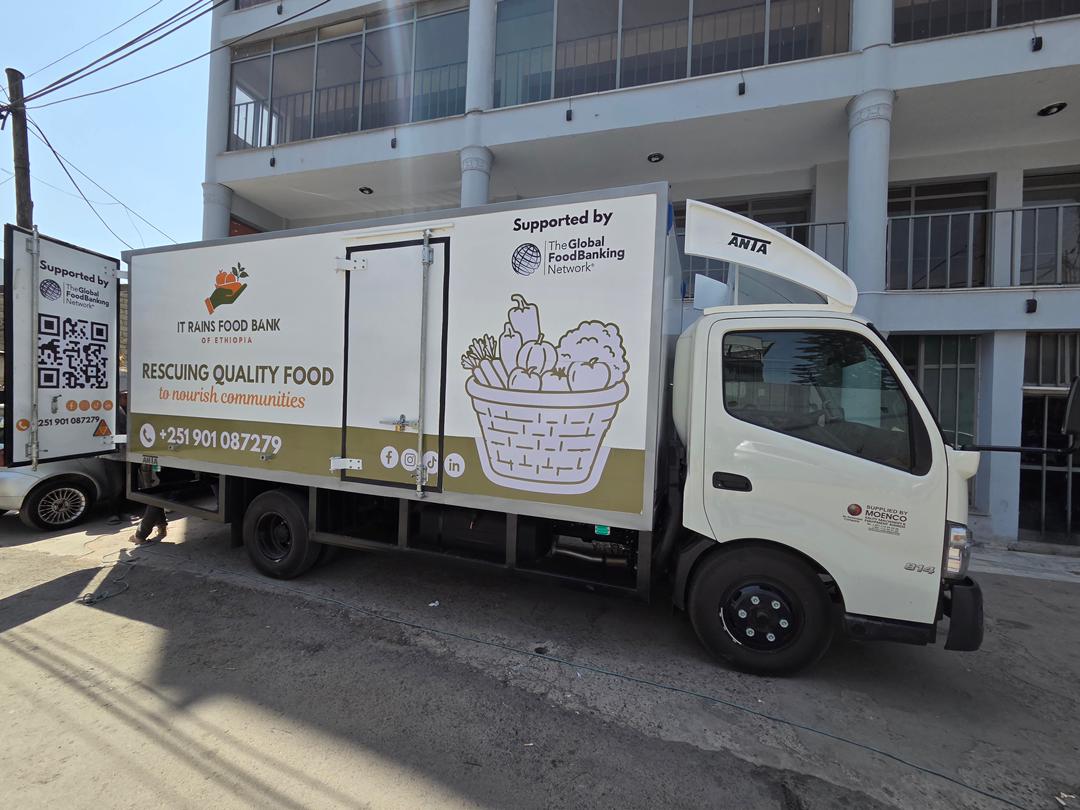
Nhờ có chiếc xe tải mới, It Rains đã ký kết thỏa thuận với hai trang trại thương mại khác, những trang trại này sẽ quyên tặng sản phẩm dư thừa.
“Mỗi kilogram [nông sản tươi] được thu hồi đều tương đương với những bữa ăn lẽ ra đã bị lãng phí,” Woldetensay nói. “Chương trình thu hồi nông sản của chúng tôi đã đóng vai trò quan trọng trong việc tác động đến một lượng lớn người hưởng lợi và tiếp cận được nhiều tổ chức hơn.”
Năm 2025, tổ chức It Rains đã thu hồi được 193.000 kg thực phẩm, phục vụ trung bình 20.000 người mỗi tháng, tất cả đều trước khi mua chiếc xe tải mới.
Đối với Woldetensay, những lo lắng của ông về việc ngân hàng thực phẩm sẽ không hiệu quả ở Ethiopia đã tan biến. Câu hỏi duy nhất bây giờ là làm thế nào để tiếp tục mở rộng tầm ảnh hưởng của nó.