
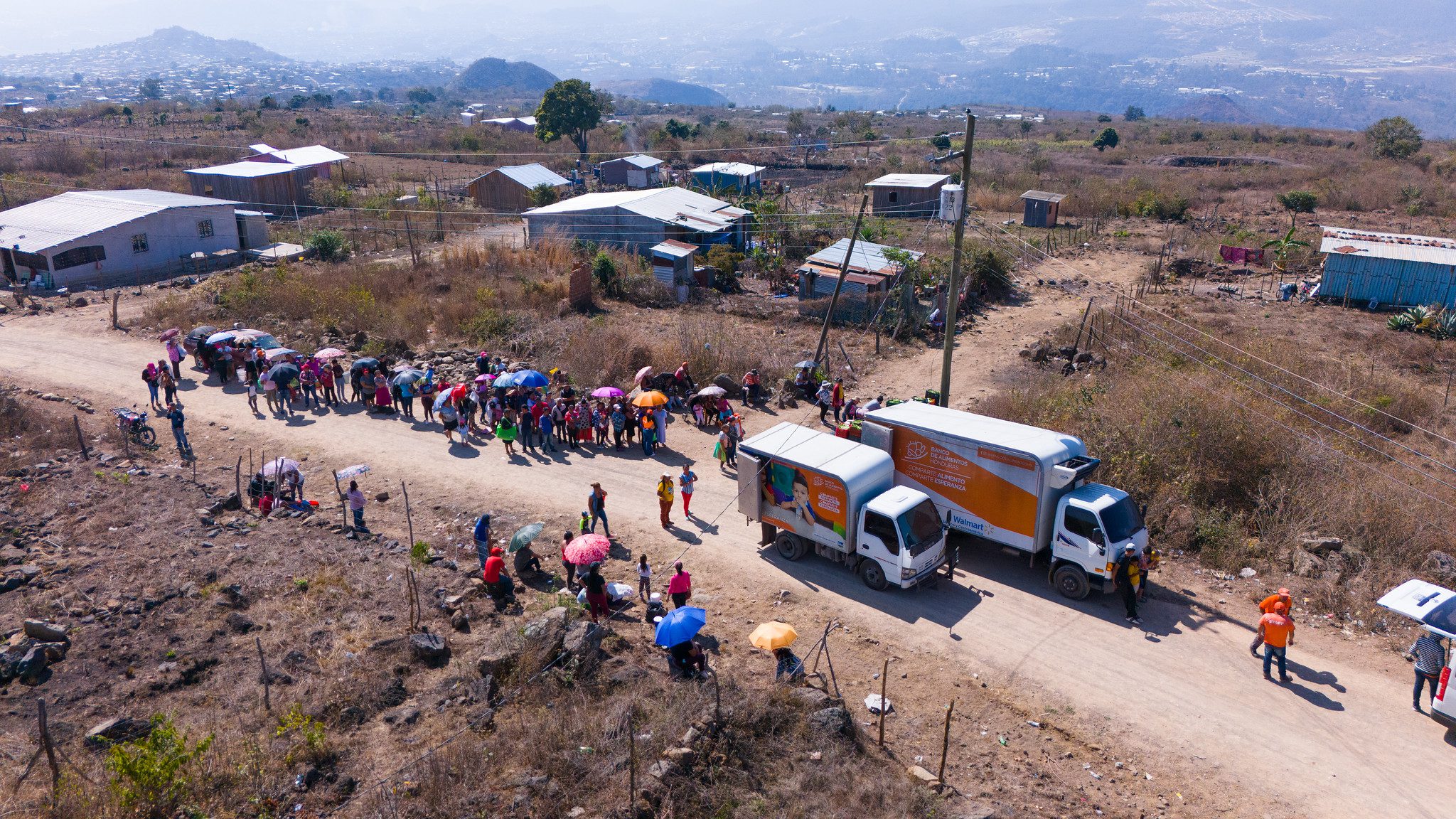
With conflict, climate disasters and economic turmoil driving hunger, cuts to foreign aid are stretching food banks even further. See how they’re adapting — and how your support matters now more than ever.
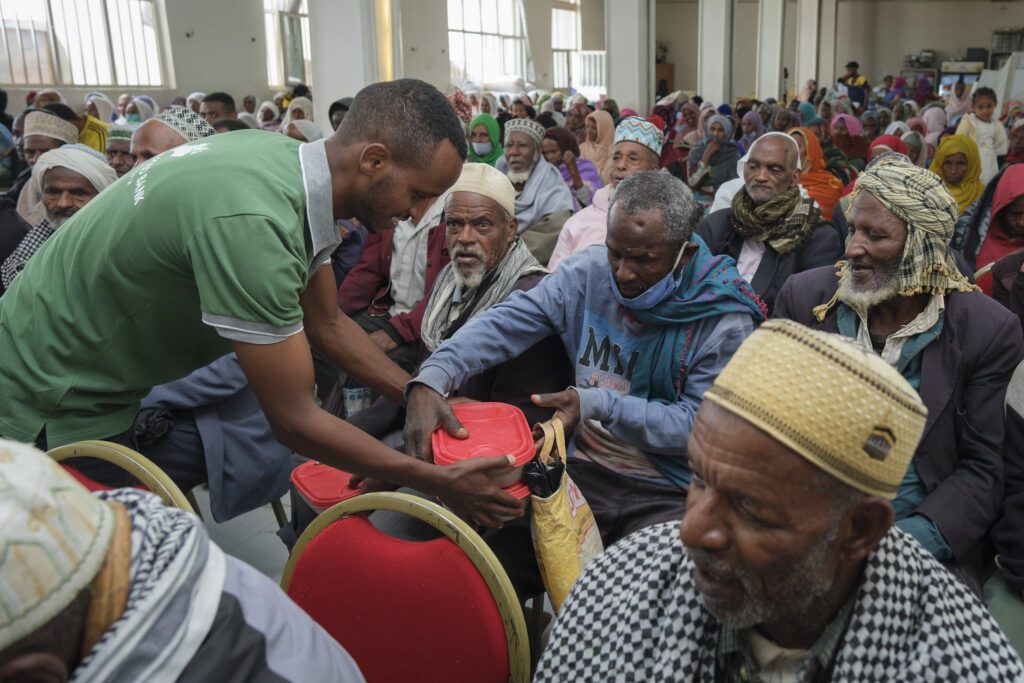
Global hunger remains persistently high, with 673 million people experiencing chronic hunger and 2.3 billion facing moderate to severe food insecurity.
Cuts in official development assistance (ODA), inflation and rising food costs are putting food banks under increasing strain.
Despite these pressures, GFN’s food bank partners around the world continue to deliver.
In 2024, food banks increased distribution by 17%, providing the equivalent of 2 billion meals across more than 50 countries, including U.N. Hunger Hot Spots and USDA identified food insecure nations.
The GFN team is working closely with our network to bring you up-to-date information on the specific challenges facing GFN food banks — learn more below or download our latest situation report.
Disrupted supply chains and increased need for food assistance are putting local food banks at risk. We must respond swiftly and strategically to fill critical gaps. With your support, we can help our food banks across the globe get more food to the people who need it.
Contact Vicki Clarke at vclarke@foodbanking.org aprender mais.
"Development work around hunger and nutrition is changing. There is a growing need for resilient, locally driven models that can absorb shocks from funding disruptions and climate variability.”
John Gathungu, Food Banking Kenya
JANUARY 13, 2026
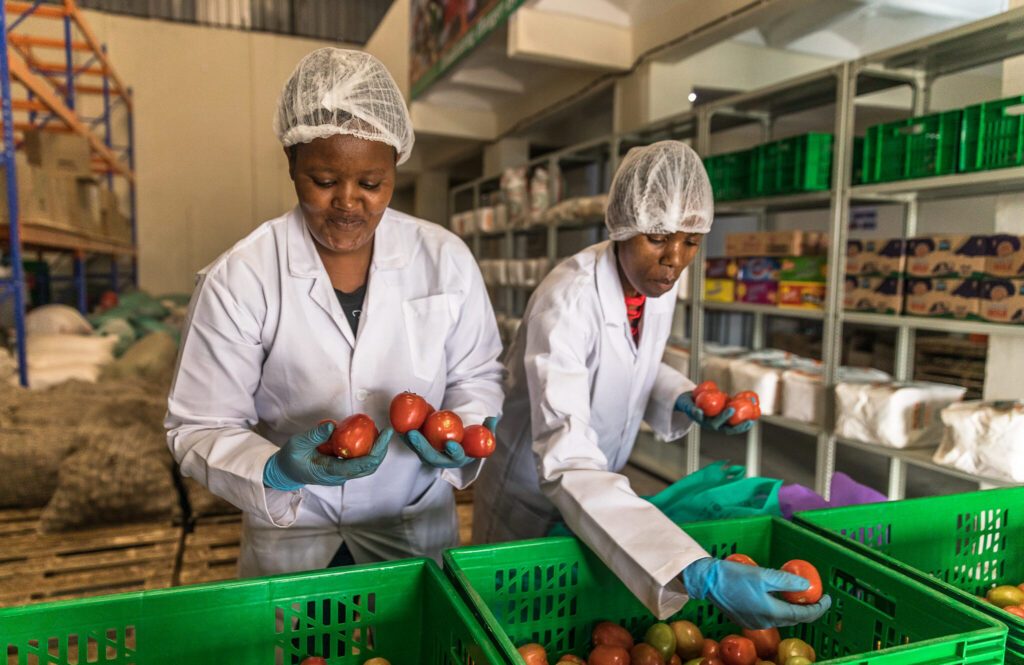
Africa is on the front line of a worsening global hunger crisis. According to the 2025 Global Report on Food Crises, Africa is one of the hardest hit regions, with southern, eastern and parts of West Africa facing severe hunger due to conflict, climate extremes and economic shocks.
In the Democratic Republic of Congo (DRC), severe levels of acute food insecurity are expected to continue, driven by escalating conflict in the eastern region and accelerated by ODA cuts. The violence has forced widespread displacement, affecting nearly 5.8 million people and has disrupted agricultural production and restricted access to humanitarian assistance.
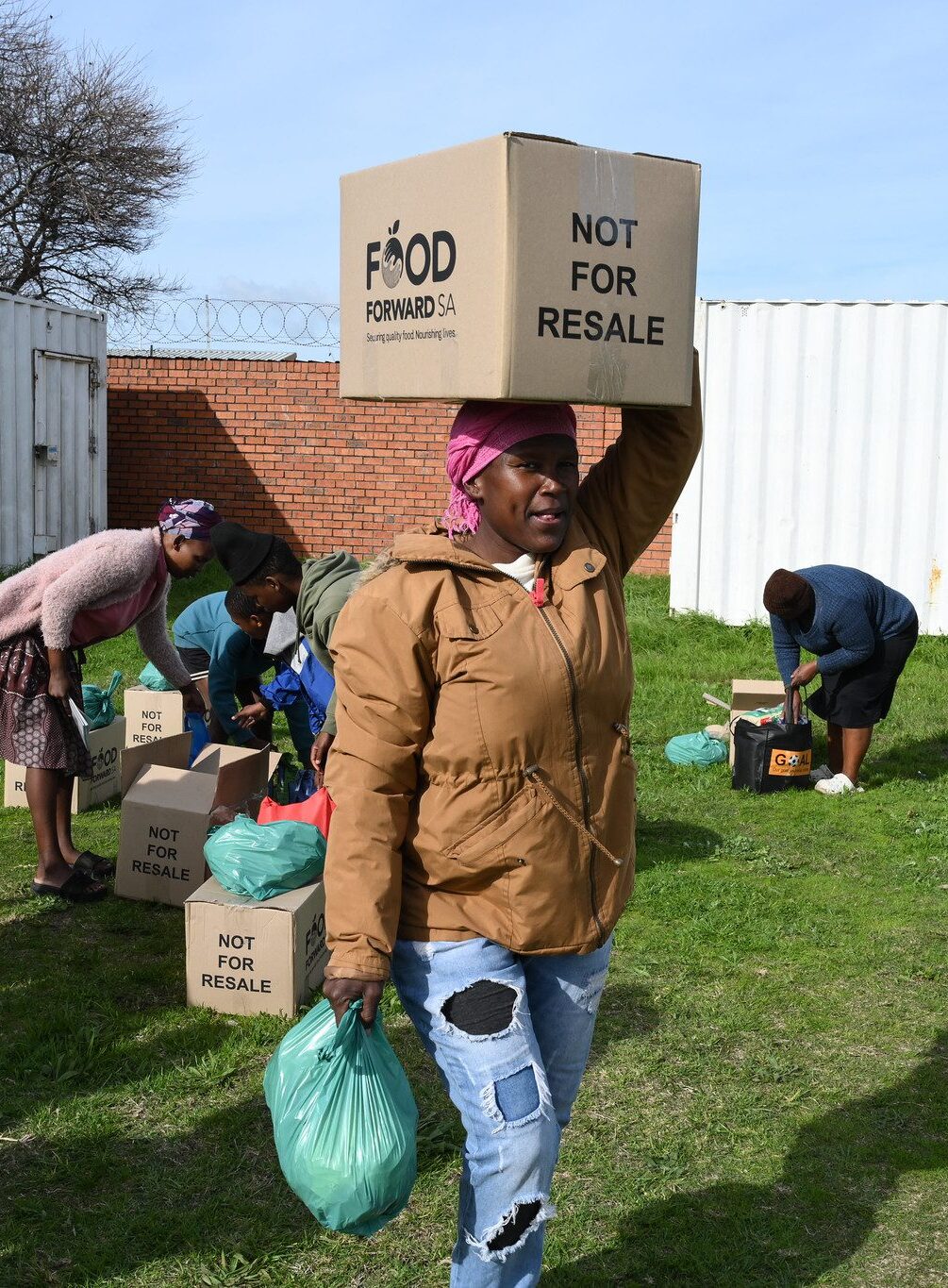
South Africa’s operating environment remains challenging, despite some signs of improvement.
A equipe da FFSA, por meio de seus parceiros, observou uma queda significativa no número de pessoas examinadas e testadas para HIV com o fechamento dos centros de testagem, o que provavelmente aumentará a incidência de HIV/AIDS. Os centros de tratamento da tuberculose também fecharam, o que começará a aumentar a incidência da doença. A FFSA está lançando um projeto piloto com um centro de saúde comunitário local para fornecer alimentos a pacientes com tuberculose em situação de risco em Masiphumelele.
GFN provided a grant to ensure that FFSA could continue critical programs, warehouse and general operations.
JANUARY 13, 2026
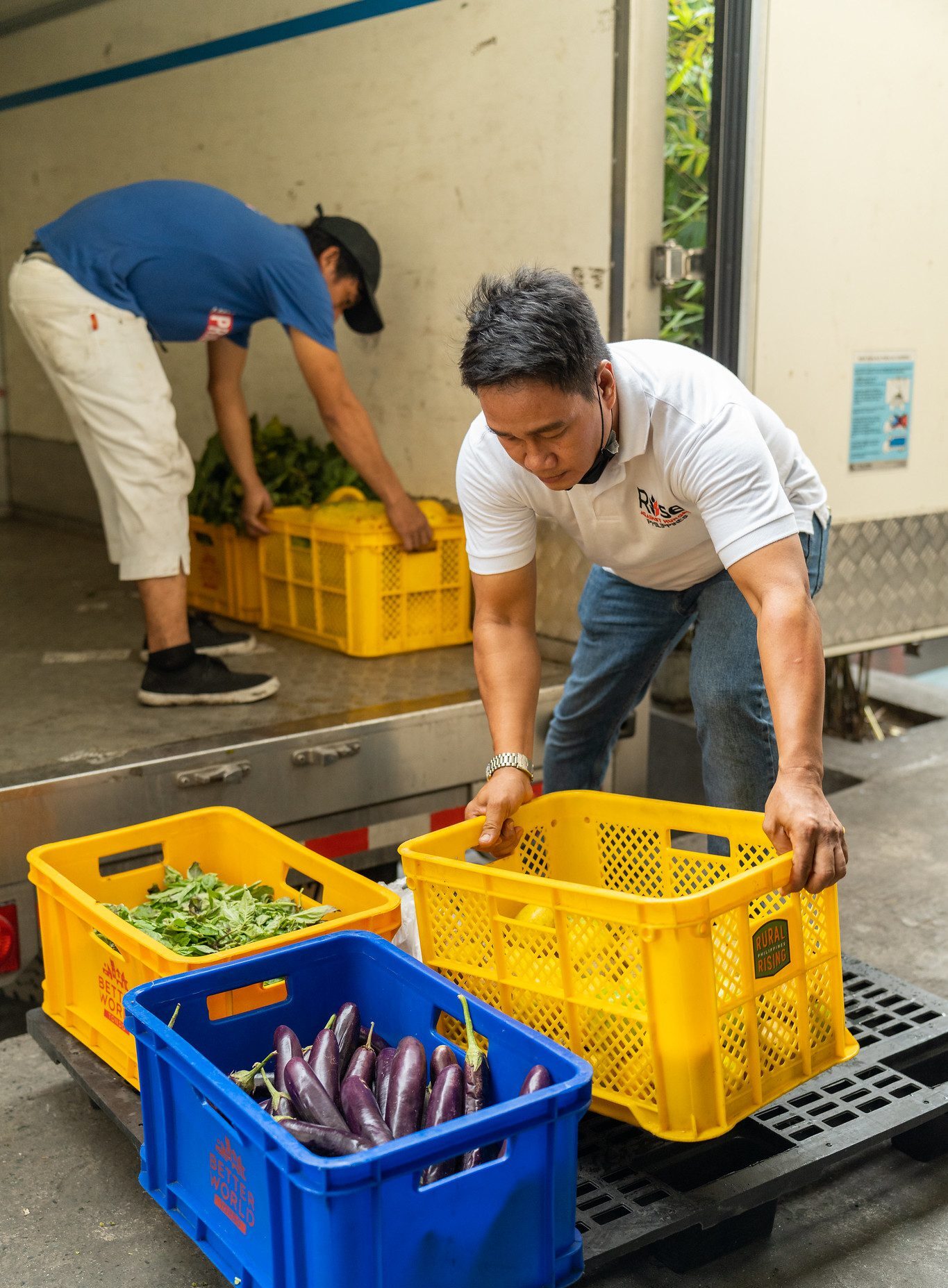
Asia continues to be home to more than half of the population facing hunger. Cuts to ODA will impact the region, particularly in southeast Asia, including GFN countries Vietnam, the Philippines, and Indonesia, as the U.S. and the U.K. collectively cut more than $1.2 billion in aid.
Overall economic growth is projected to slow in 2026 as Asian economies have had to adapt to new trade realities. With external funding becoming less predictable, local organizations now need to step up in building their own financial and operational resilience. Strengthening local capacity is critical for maintaining stable food assistance and meeting growing demand.
JANUARY 13, 2026
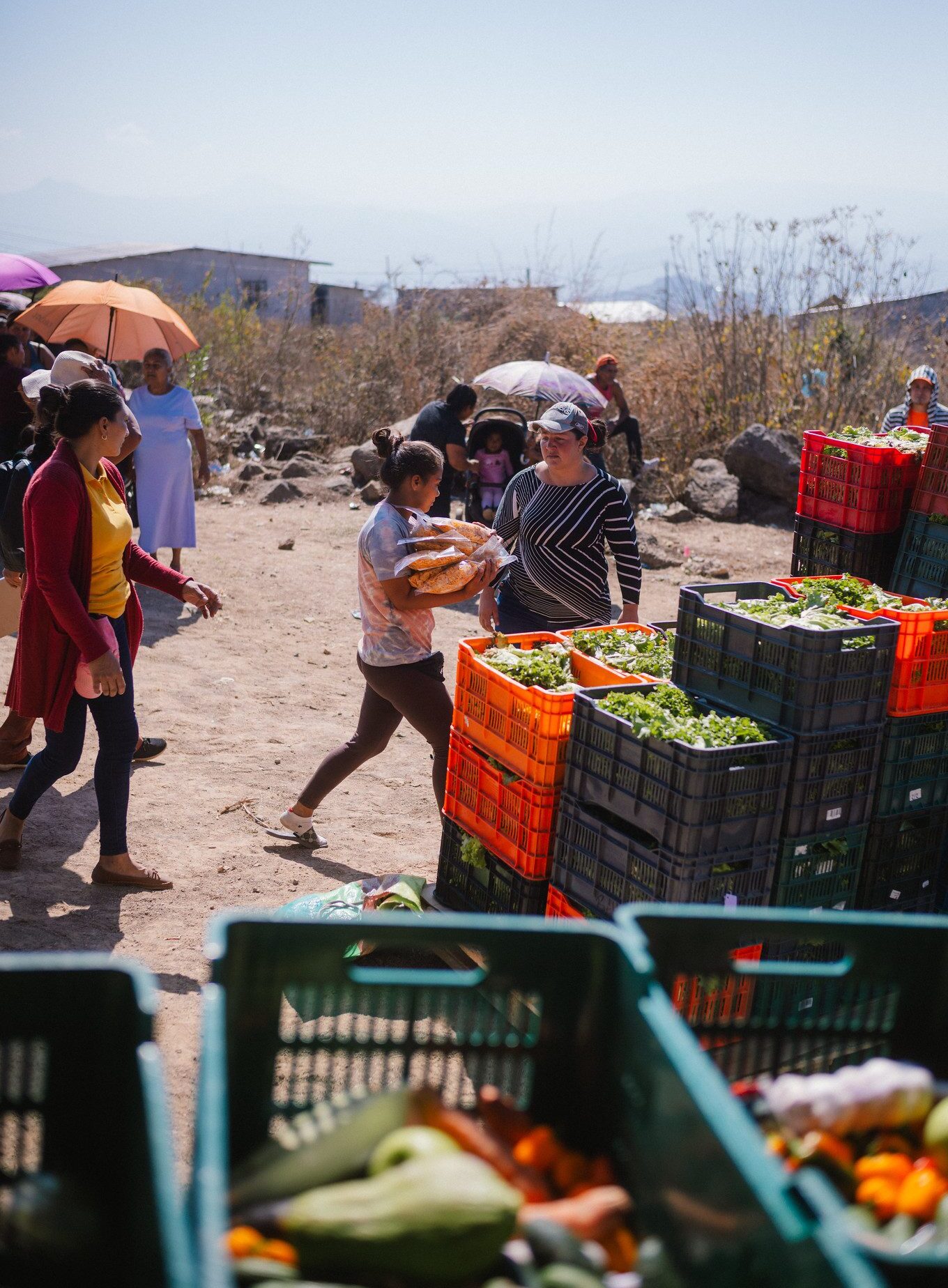
The 2025 Global Report on Food Crises identified six countries in Latin America and the Caribbean facing food crises, including five GFN network countries: Colombia, Ecuador, El Salvador, Guatemala and Honduras.
JANUARY 13, 2026
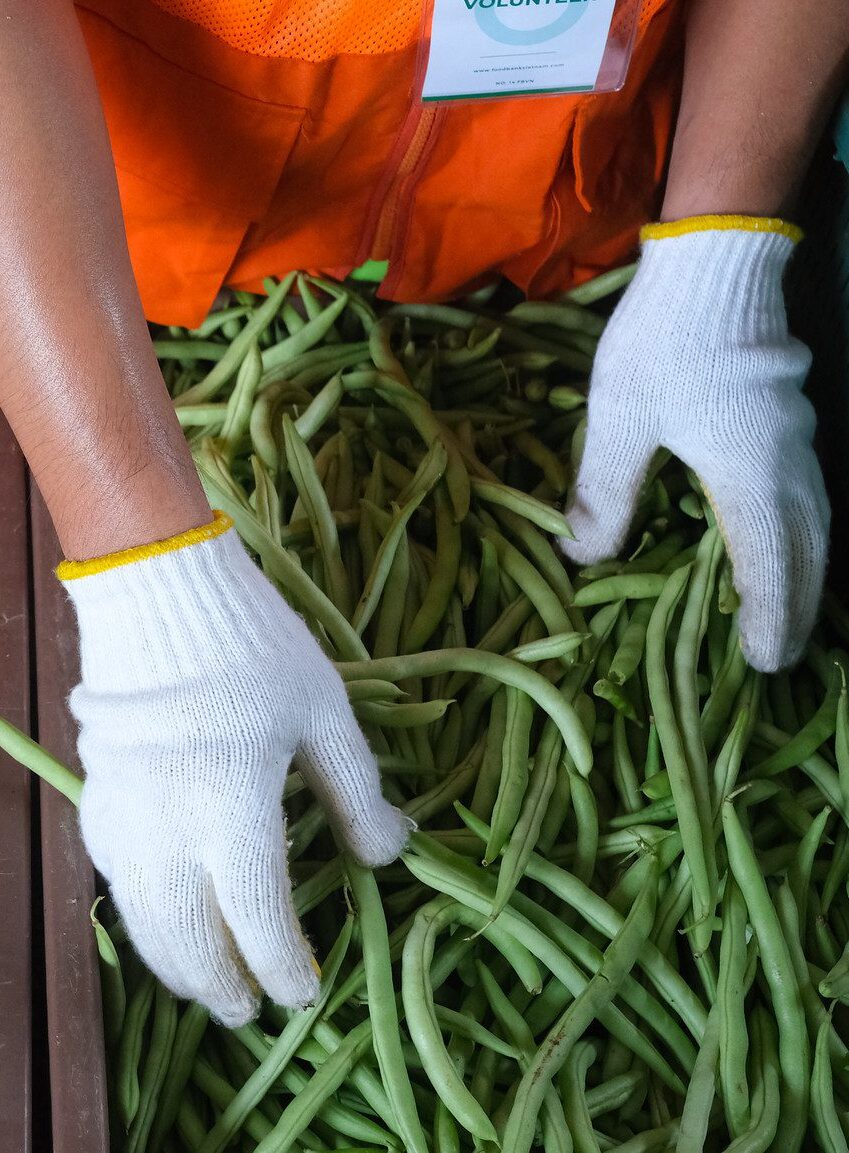
Food security in Europe is impacted by geopolitics, climate change and economic disparities.
JANUARY 13, 2026
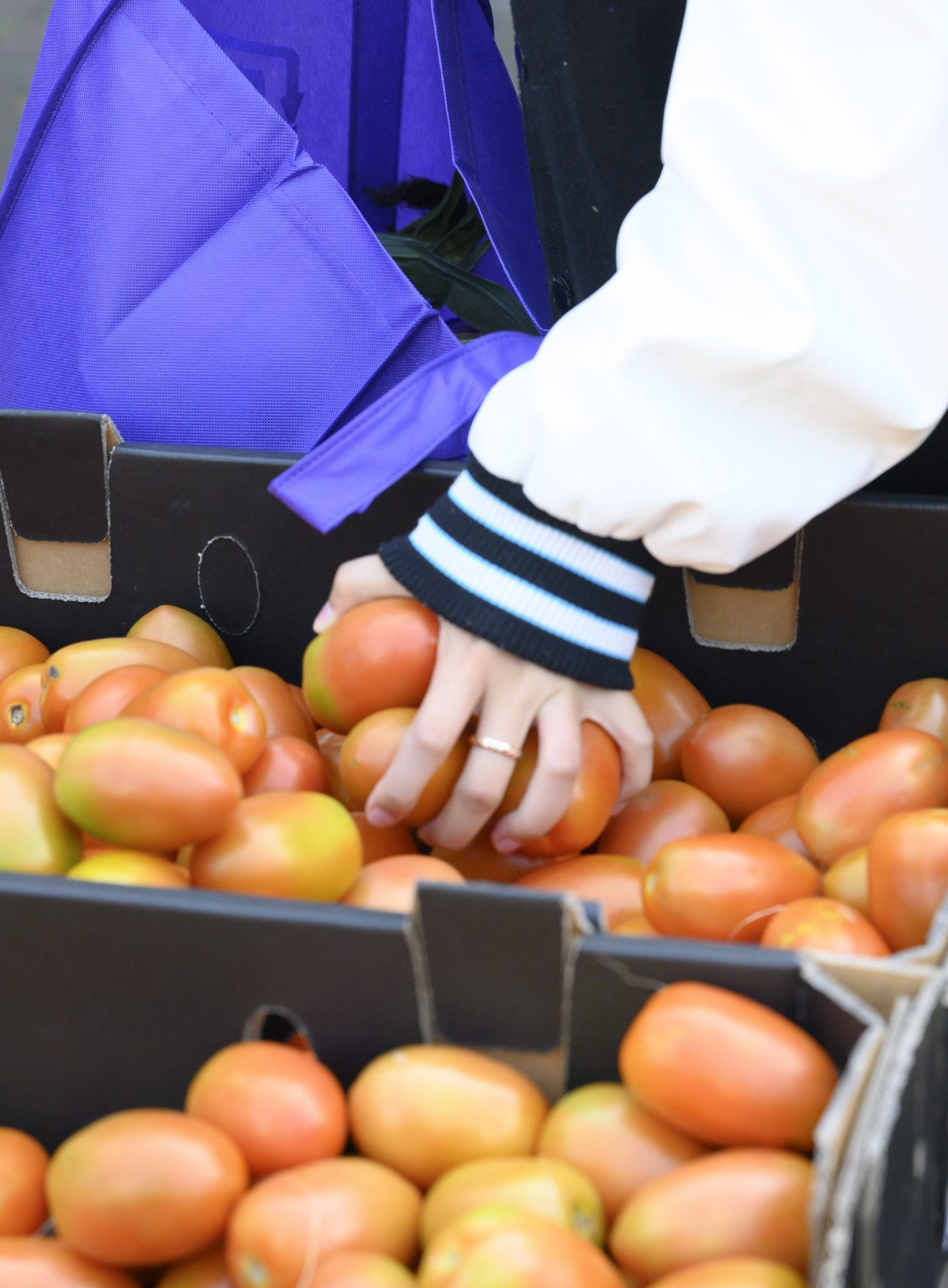
In addition to cuts to existing food and nutrition safety net programs, the current administration has also announced that it will no longer measure and publish data on food insecurity trends in the United States.
Soaring Demand at Food Banks Across Africa Thanks to Massive Aid Cuts [Independent UK]
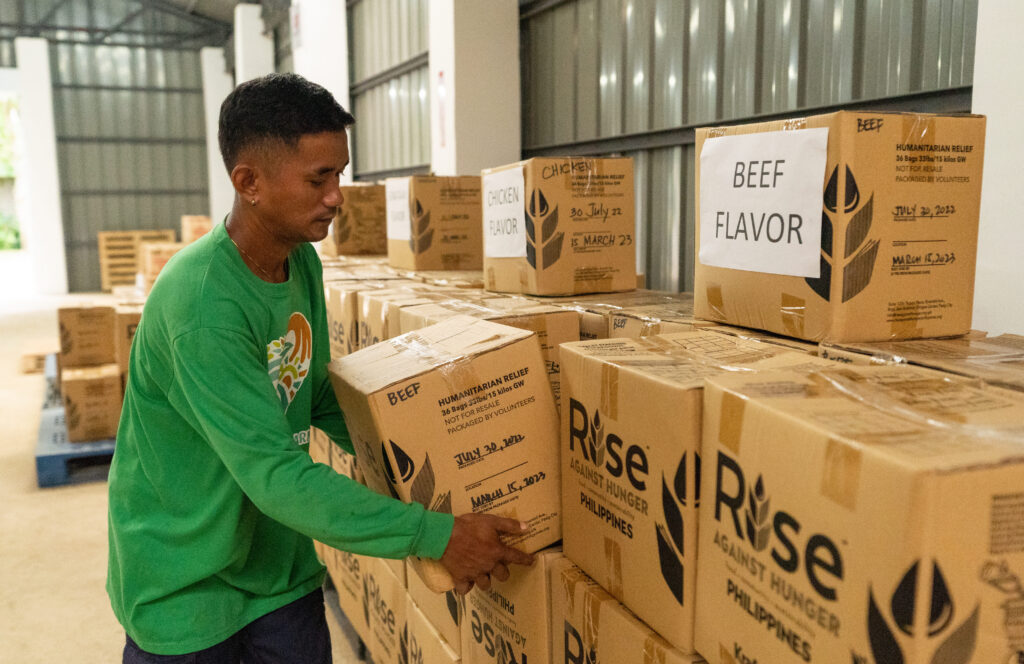
Com a redução da ajuda global, os bancos de alimentos mantêm as comunidades alimentadas.

Os maiores desafios que nossos sistemas alimentares enfrentam e como os bancos de alimentos respondem.


