Numa província rural das Filipinas, agricultores locais e o banco de alimentos unem forças para nutrir a próxima geração.
Por Micaela Wu | Atualizado em 28 de maio de 2026
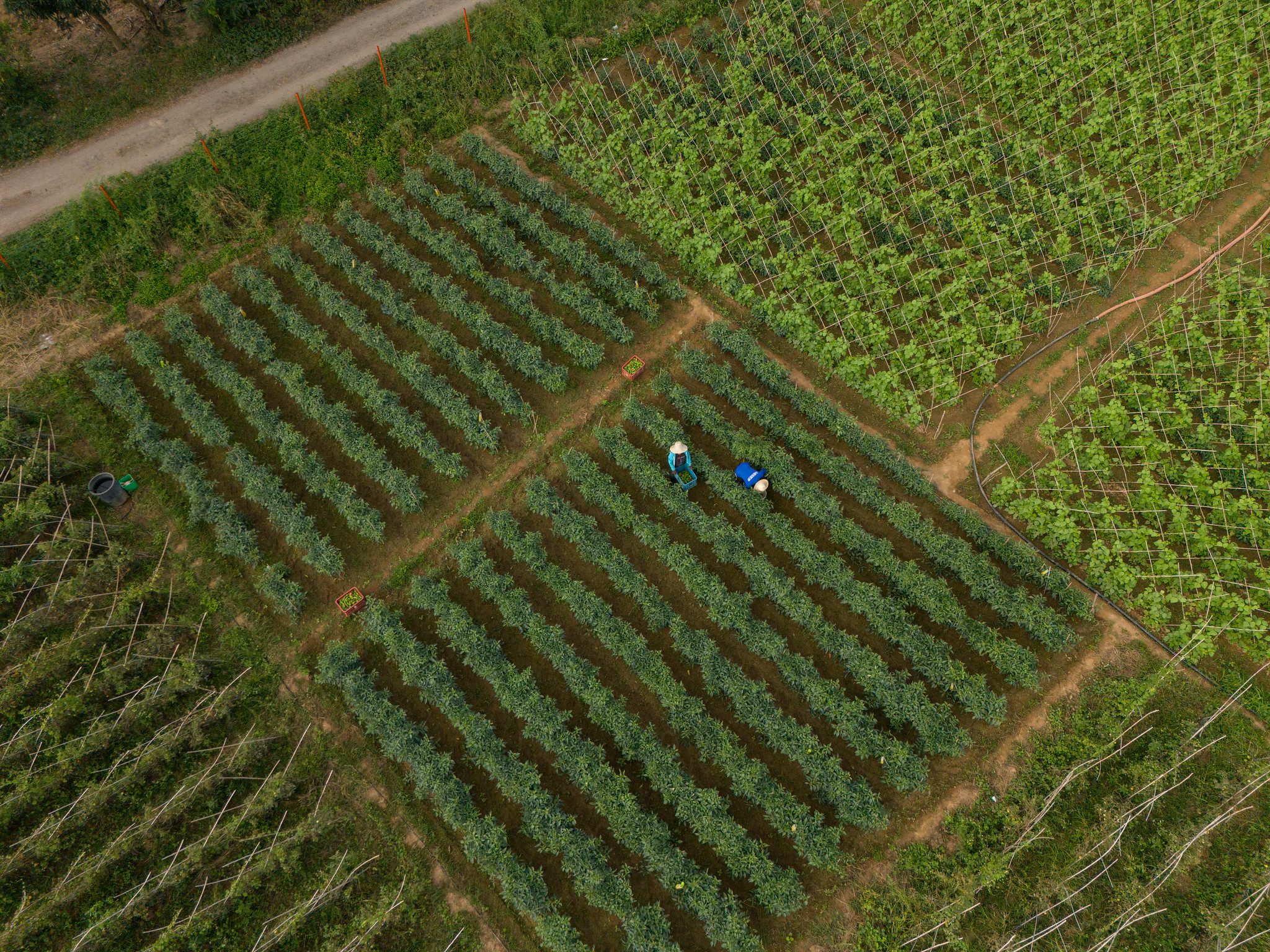
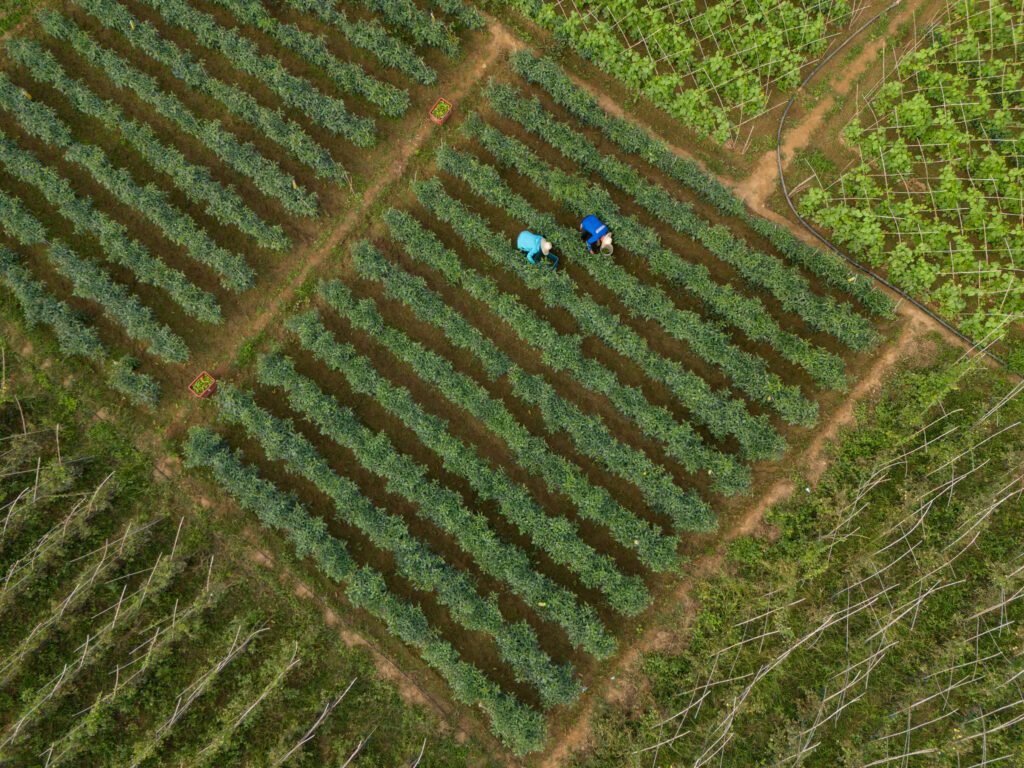
A província de Nueva Vizcaya fica a cerca de sete horas da região metropolitana de Manila. O trajeto é pitoresco, com vastas áreas agrícolas, colinas onduladas e paisagens espetaculares a cada curva, graças às três grandes cadeias de montanhas da região. A fertilidade do solo rendeu à província o apelido de "Capital dos Cítricos das Filipinas". É aqui que a família de Moises Amokla cultiva a terra há mais de 50 anos.
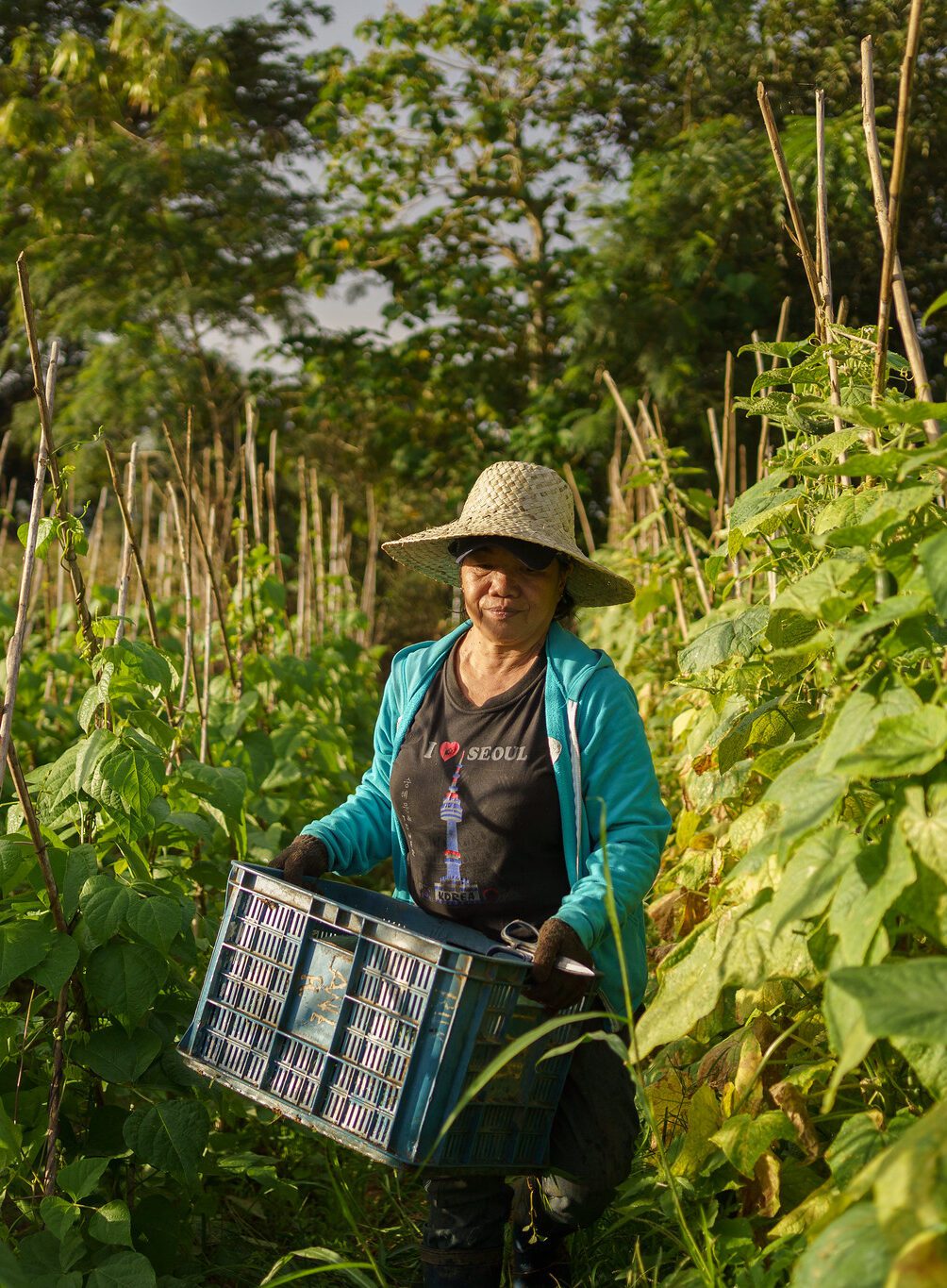
Moisés tem um jeito tranquilo e sereno. Enquanto caminha entre fileiras e fileiras de pepinos, verificando cada planta individualmente com cuidado, ele compartilha histórias de gerações de sua família cultivando esta terra e o legado que espera deixar. "Cultivamos a terra há 50 anos", diz ele, "então meus netos agora estão colhendo os frutos do meu trabalho. Estou feliz."“
Esse desejo de proteger e cuidar da próxima geração é evidente em toda Nueva Vizcaya. No entanto, cerca de 3 em cada 10 crianças nas Filipinas sofrem de desnutrição, e aproximadamente 95 crianças morrem todos os dias devido à desnutrição, segundo pesquisa da UNICEF. Assim, quando um estudo revelou que cerca de metade do excedente de produtos agrícolas no posto comercial de Nueva Vizcaya — um dos maiores do país — estava sendo desperdiçado, o banco de alimentos local enxergou uma oportunidade.
O posto comercial, conhecido como Terminal Agrícola de Nueva Vizcaya (NVAT), é uma parceria público-privada onde milhares de agricultores como Moises vão diariamente para vender os produtos que abastecem grande parte dos principais mercados do continente.
Dentro dos portões do terminal, a comida é abundante. Do nascer ao pôr do sol, trabalhadores descarregam veículo após veículo cheio de repolhos, caixas de couve-flor e enormes sacos repletos de abóboras, gengibre e vagem, tudo perfeitamente organizado. Mas uma quantidade significativa desses produtos fica sem vender, nunca chegando aos mercados varejistas ou aos pratos das pessoas. Muitas vezes, frutas e verduras não são comercializadas devido a imperfeições estéticas, como tamanho ou cor inadequados, picadas de insetos ou manchas adquiridas durante o manuseio. Outras vezes, mesmo que o produto pareça perfeito, não há garantia de que será comprado. Se todos estiverem tentando vender tomates, por exemplo, um agricultor pode ter dificuldades para vender sua grande produção. Além disso, o preço oferecido pelos compradores por esses tomates será baixo, então pode nem valer a pena para os agricultores pagar pelo transporte até o mercado.
Rodolfo Eugenio Valdez trabalha na NVAT desde 2010 como comerciante e cultiva hortaliças como atividade paralela. Quando perguntado sobre a frequência com que teve que jogar fora produtos no passado, ele responde em ilocano, o dialeto local: "Quando o movimento está fraco, sim, uma parte". Apontando para os sacos de chuchu, repolho e couve-flor em seu triciclo, ele acrescenta: "Porque quando os preços estão baixos e há excesso de oferta, mal conseguimos vender".“
Além disso, há muitas perdas ocultas de alimentos que ocorrem nas fazendas antes de chegarem a locais como o NVAT. Melania Runas, uma agricultora de 61 anos que vende no NVAT há décadas, afirma que cerca de 30% de suas colheitas não chegam ao terminal agrícola, citando razões como pragas e doenças das plantas, impactos climáticos ou amadurecimento excessivo.
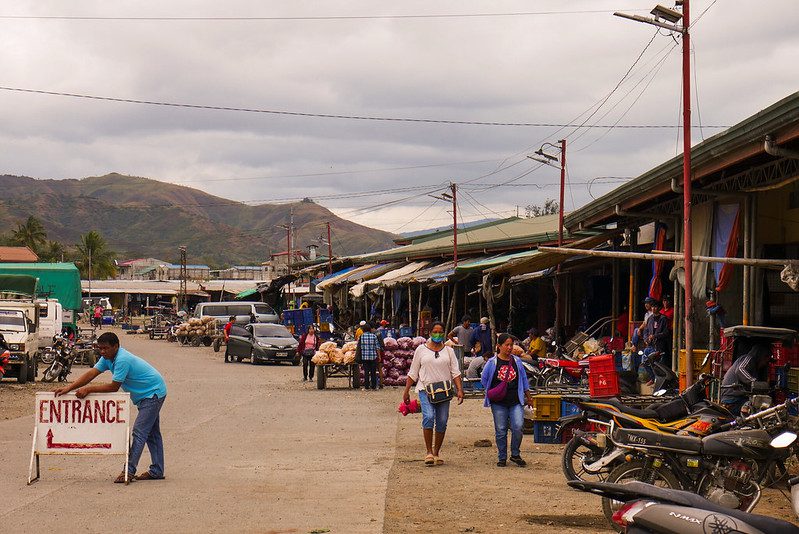
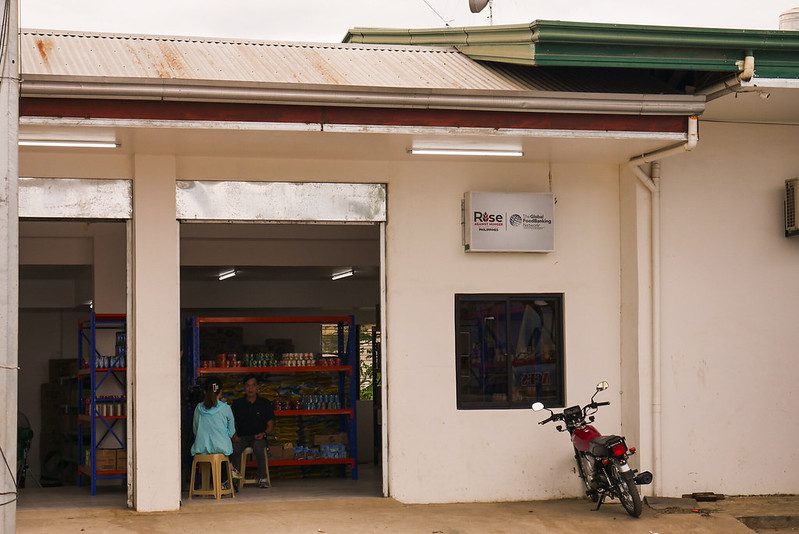
Escondido num canto remoto do labirinto do terminal agrícola, o membro da GFN, Rise Against Hunger Philippines, implementou uma solução para recuperar milhares de quilos de excedentes alimentares que poderiam ser desperdiçados por agricultores como Moises, Rodolfo e Melania. Em contraste com as fileiras de barracas e caminhos incongruentes do terminal, o banco de alimentos — um armazém recém-construído com alimentos e suprimentos essenciais organizados cuidadosamente em prateleiras impecáveis — chama a atenção dos curiosos trabalhadores agrícolas que passam em suas motocicletas. É ali que, a qualquer hora do dia, os agricultores com excedentes de produção podem chegar e trocar seus produtos pelos do banco de alimentos.
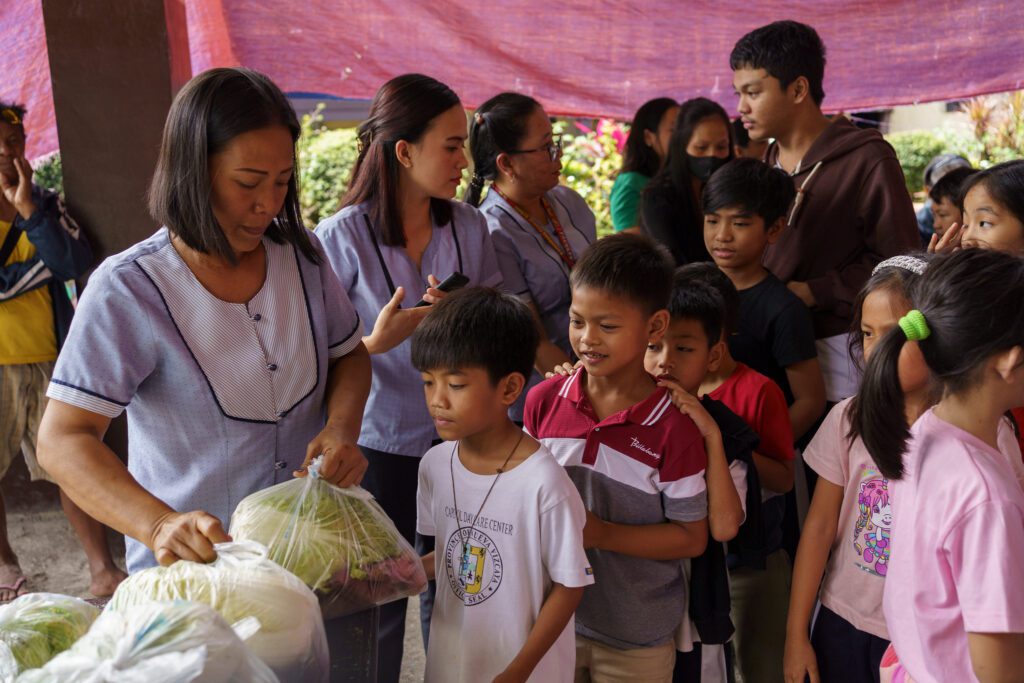
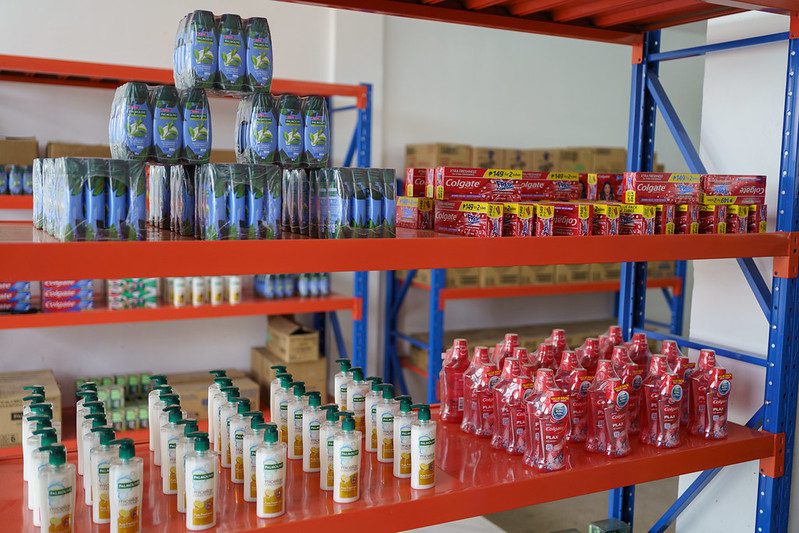
Lauris Anudon administra o banco de alimentos da NVAT, supervisionando as trocas e negociações com os agricultores. Quando um agricultor chega, Lauris inspeciona os produtos e eles chegam a um acordo sobre o valor, em pesos por quilo, geralmente após uma pequena negociação. Depois que os produtos são pesados e o valor final em pesos é determinado, o agricultor pode escolher entre uma variedade de produtos — incluindo sacos de arroz, óleo, peixe enlatado, café instantâneo, macarrão e produtos de higiene pessoal — que somam o valor dos produtos doados. Os agricultores saem com produtos que, de outra forma, teriam que comprar, e assim o banco de alimentos fica bem abastecido com todos os tipos de produtos frescos para distribuir aos alunos das escolas locais e outros membros da comunidade que precisam.
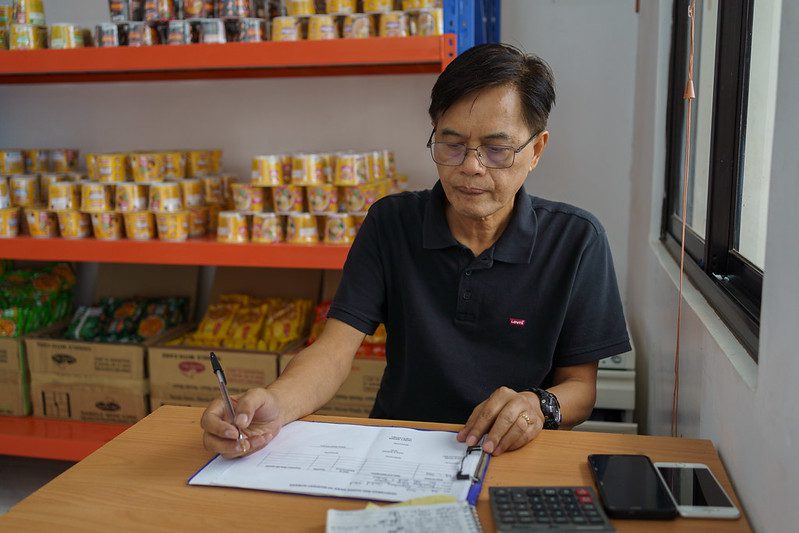
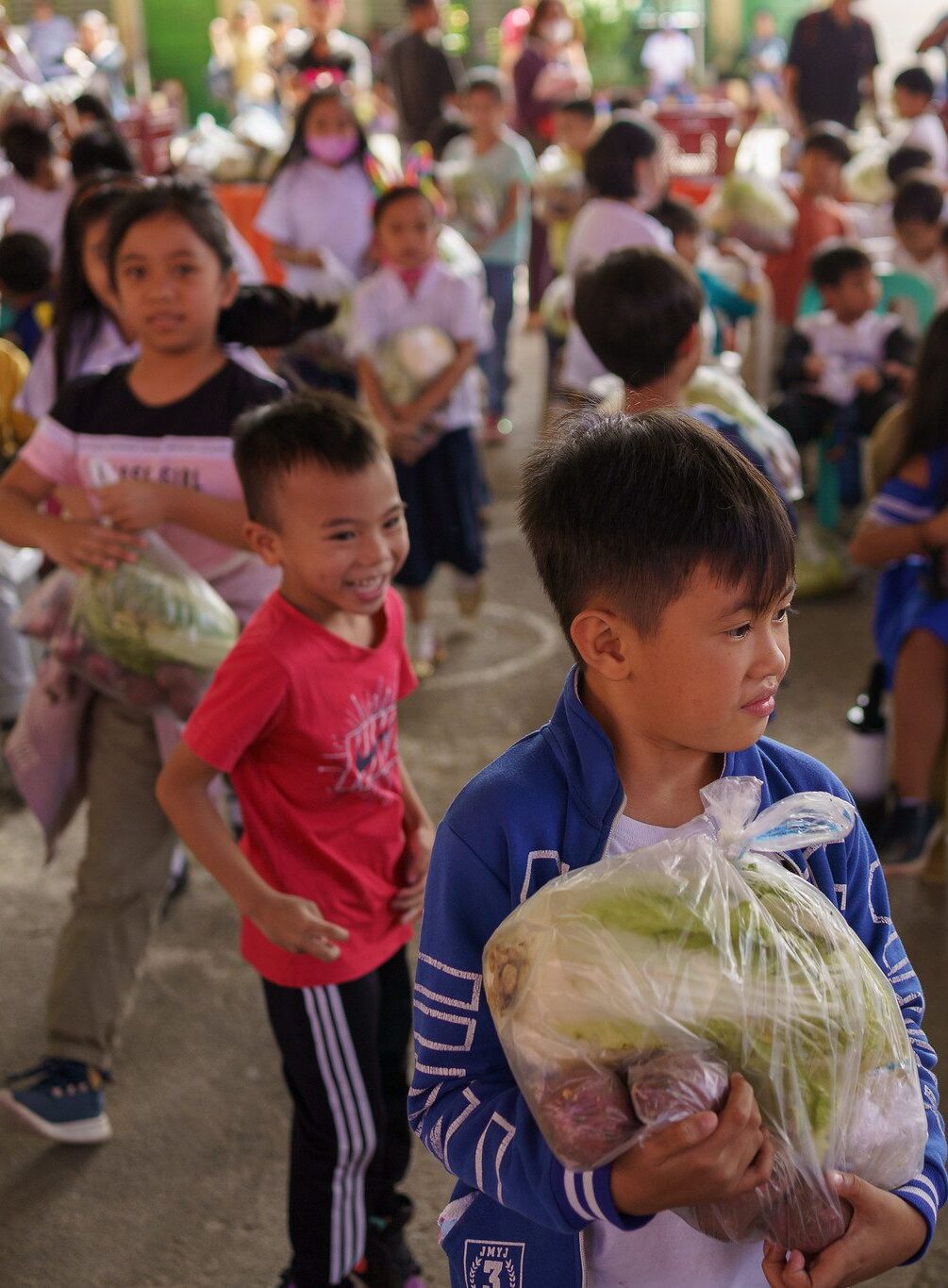
Além de gerenciar o estoque no armazém, facilitar as transações com os agricultores e divulgar o programa para outros membros da NVAT, Lauris também é responsável por levar os produtos que o banco de alimentos recebe às pessoas que podem se beneficiar, principalmente crianças em idade escolar. Nos primeiros 8 meses do programa, ele já havia estabelecido parcerias com 10 escolas de ensino fundamental próximas a Nueva Vizcaya. Lauris organiza distribuições semanais de alimentos utilizando os produtos do banco de alimentos da NVAT, atendendo alunos da pré-escola ao terceiro ano do ensino fundamental, em turmas que podem ter até trezentos alunos.
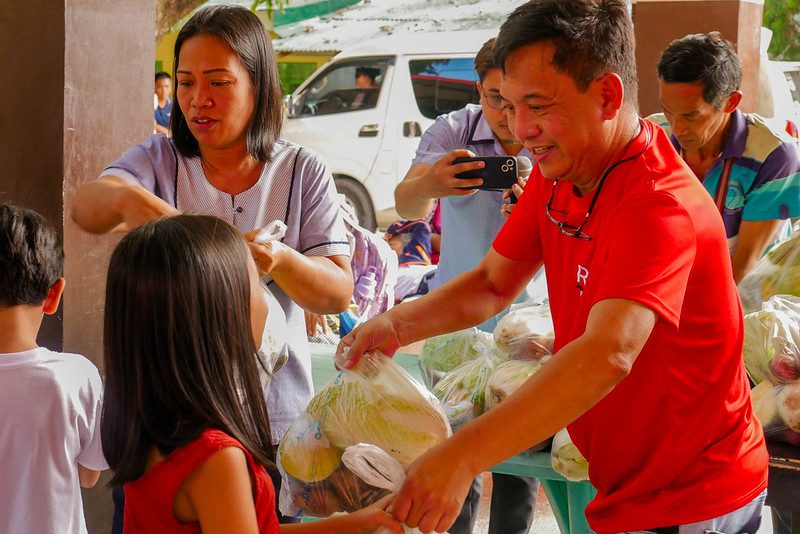
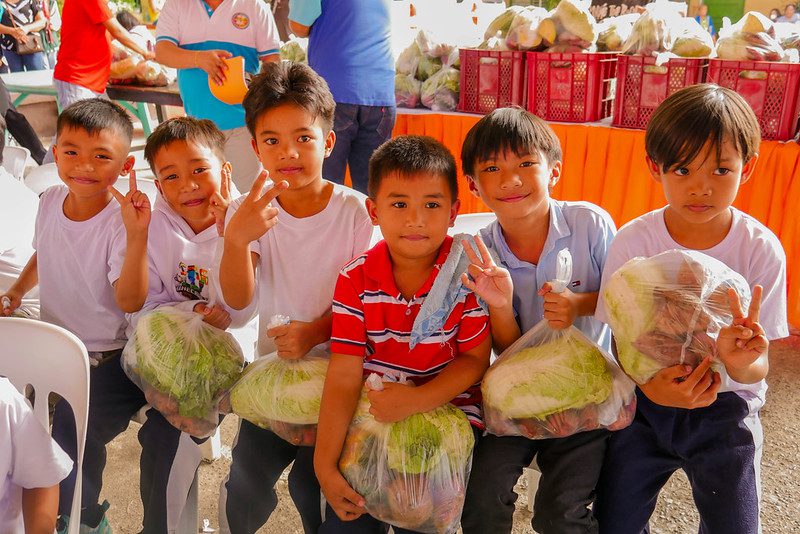
“Os vegetais obtidos por meio de trocas são doados às escolas para apoiar seus programas de alimentação escolar”, explica Lauris. “De certa forma, também é uma oportunidade para os agricultores contribuírem com o trabalho de desenvolvimento [comunitário]. Eles conseguem ajudar a alimentar crianças em idade escolar que precisam de uma alimentação melhor para que não vão à escola com fome.”
“Uma das coisas que me dá satisfação neste trabalho é saber que nossos alunos estão se alimentando melhor”, diz Lauris, refletindo sobre toda a logística, coordenação e parcerias necessárias para que esse trabalho aconteça. “E me sinto feliz porque estamos ajudando os agricultores.”
Para a Rise Against Hunger Filipinas, combater a fome infantil é uma das maiores prioridades da organização. Grande parte da programação do banco de alimentos concentra-se em fornecer refeições quentes para crianças em idade escolar e apoiar organizações que administram programas de alimentação escolar. Os programas de alimentação escolar não só promovem o crescimento e o desenvolvimento saudáveis em um período crítico da vida, como também podem melhorar o desempenho acadêmico, aumentar a frequência escolar e incentivar as crianças a permanecerem na escola a longo prazo.
“Trabalhamos em parceria com o Departamento de Educação do distrito”, afirma Jomar Fleras, fundador e diretor executivo da Rise Against Hunger Philippines. “Pedimos que identifiquem 10 escolas com os maiores índices de desnutrição. Dessas 10 escolas, em média, cerca de 5.000 crianças recebem vegetais regularmente. As crianças levam esses vegetais para casa e compartilham com o resto da família. Assim, conseguimos alcançar cerca de 20.000 pessoas.” A RAHP também conta com uma nutricionista e um responsável pela segurança alimentar que trabalham juntos para monitorar os alimentos distribuídos e garantir que as crianças recebam uma dieta equilibrada de frutas e verduras, além de itens não perecíveis como enlatados, grãos e leite.
“Toda uma comunidade está sendo ajudada por meio deste programa”, continua Jomar, olhando ao longe em direção ao banco de alimentos e Lauris recebendo mais uma entrega de vegetais frescos de um agricultor. “Muitas dessas crianças caminham por uma ou duas horas para chegar à escola”, diz Jomar. “As escolas públicas são gratuitas. Mas muitas dessas crianças vão para a escola com fome. Você consegue imaginar como é difícil aprender alguma coisa quando se está tentando se concentrar e prestar atenção aos professores com fome?”
Jomar explica que o objetivo final deste programa de recuperação agrícola é alcançar tanto os milhares de agricultores que atualmente comercializam seus produtos na NVAT quanto as crianças em idade escolar da comunidade — reduzindo o desperdício de alimentos e as perdas pós-colheita e, por sua vez, doando os vegetais recuperados para programas escolares, onde as crianças recebem vegetais frescos para levar para casa. Jomar acrescenta que, embora a NVAT seja o maior posto comercial do país, existem vários outros postos comerciais em Luzon e em outras partes das Filipinas.
“Tenho certeza de que há muita comida que pode ser recuperada ali. O que esperamos fazer é criar um modelo que possa ser ampliado e replicado nesses vários postos de comércio.”
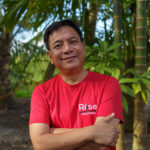
De volta à fazenda de Moisés, um de seus netos aparece depois da escola. O menino, que frequenta uma escola primária próxima, tem um rosto doce e um sorriso gentil, como o do avô. Ele veio mostrar ao avô a grande sacola de frutas e verduras que trouxe para casa do programa de alimentação da escola. "Se você cozinhar, eu como", diz o menino. Moisés sorri amplamente enquanto pega a sacola e segue em direção à cozinha, com o neto o seguindo ansiosamente.
“Sempre digo às pessoas que é preciso uma aldeia para alimentar uma criança. E esta é a aldeia que criamos aqui em Nueva Vizcaya.”