
Artificial intelligence is bringing in a new era of food system optimization. From demand forecasting and inventory management to trailer packing, distribution and logistics planning, artificial intelligence provides food companies with real-time analytics to make highly informed, timely business decisions. Furthermore, retailers are using AI to predict customer demand and provide personal recommendations, leading to tighter inventory management and less waste.
And the applications keep growing. In a survey of CPG leaders conducted by the McKinsey global consulting group in 2024, 71% of respondents said they adopted AI in at least one business function of their organization (up from 42% the year before). The same survey suggests that these technological investments have the potential to increase earnings by 5 to 15 percentage points. These optimizations have led to much-needed efficiency improvements and reductions in waste across the supply chain.
Do these newfound efficiencies mean food banks have outgrown their strategic benefit to food companies? Not necessarily.
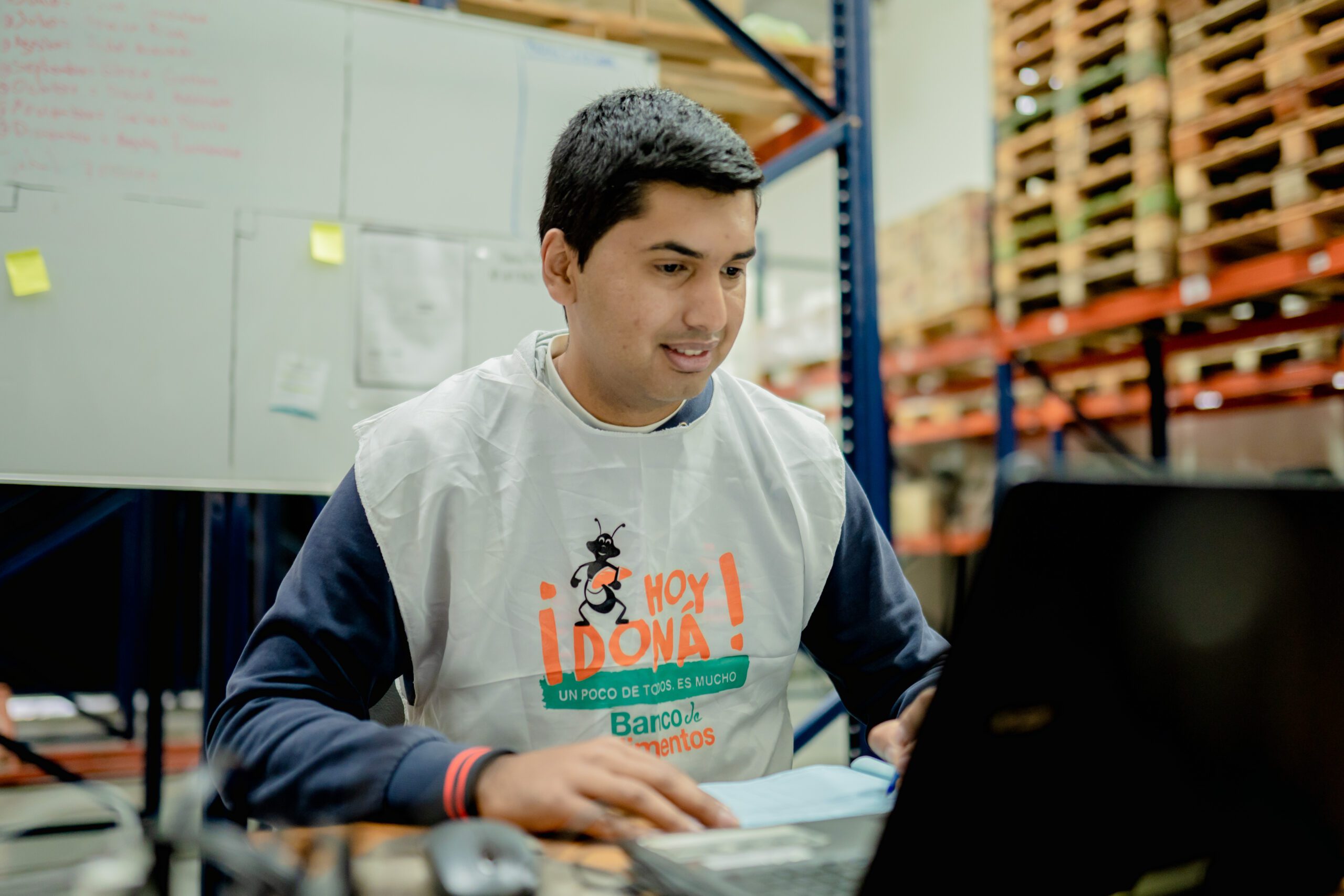
Even in an increasingly optimized food system, surplus remains a reality — and an expensive one. A 2025 study found that food waste costs across the retail supply chain, from post-farm to point of sale, are equivalent to an average of 33% of revenues. Notably, while AI adoption has accelerated over the past three years, 54% of businesses report that their food waste–related costs have also increased.
Food banks provide a practical, scalable solution that can directly reduce these expenses while supporting broader business objectives. Sending surplus to landfills requires paying for transportation, while incineration or waste-to-energy solutions are capital-intensive and operationally complex. Food banks, by contrast, can collect and distribute surplus at no cost to the donor, often with the added benefit of tax deductions.
Optimization can reduce waste, but it cannot eliminate surplus entirely. In 2024 alone, GFN member food banks distributed 762 million kilograms of food and grocery products — a 17% year-over-year increase. Each recovered kilogram represents operational costs that would otherwise erode margins.
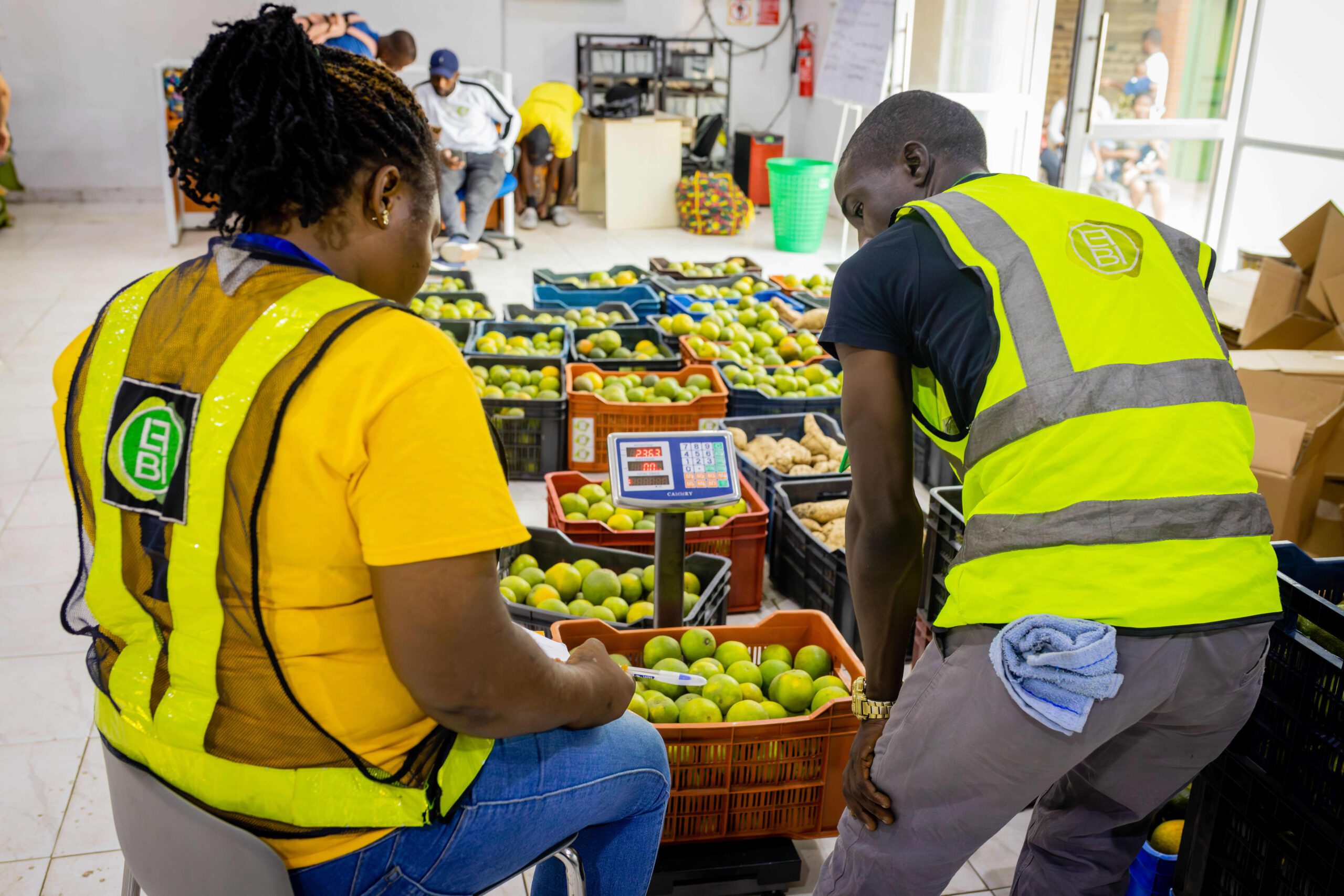
In addition, heightened expectations by consumers, regulators and investors have pressured food companies to increasingly address sustainability, social impact and responsible growth. By avoiding the landfills, food banks can help companies quantify diverted emissions, providing a low-effort, credible way to demonstrate progress on waste and environmental commitments.
Food banks are also deeply rooted in their communities. Companies can rely on food banks as trusted partners to deepen understanding and address social issues that their consumers and employees care about. For companies looking to connect their brands with authentic social impact, food banks can be valuable sources of thought partnership, learning and storytelling.
Food companies are managing a complex balancing act between cost control, supply variability and sustainability expectations. In today’s challenging business environment —marked by rising costs, regulatory pressure and heightened stakeholder expectations —optimization alone is not enough.
In this new landscape, food banks are a complement to artificial intelligence. They humanize a very optimized system, ensuring that good surplus food is connected to vulnerable communities. At the same time, food banks provide companies with a credible pathway to reduce costs, meet sustainability goals and respond to rising expectations around food security, climate action and community resilience.
Food banks deliver what the moment demands: cost-effective, efficient, data-driven and scalable impact.
To learn more about how you can support this work, contact Vicki Clarke at vclarke@foodbanking.org.