How Aid Cuts Are Affecting Communities Around the World

With conflict, climate disasters and economic turmoil driving hunger, cuts to foreign aid are stretching food banks even further. See how they’re adapting — and how your support matters now more than ever.
Mặt sau
lên đầu

Global hunger remains persistently high, with 673 million people experiencing chronic hunger and 2.3 billion facing moderate to severe food insecurity.

Cuts in official development assistance (ODA), inflation and rising food costs are putting food banks under increasing strain.

Despite these pressures, GFN’s food bank partners around the world continue to deliver.

In 2024, food banks increased distribution by 17%, providing the equivalent of 2 billion meals across more than 50 countries, including U.N. Hunger Hot Spots and USDA identified food insecure nations.

The GFN team is working closely with our network to bring you up-to-date information on the specific challenges facing GFN food banks — learn more below or download our latest situation report.

Help Food Banks Deliver When It Matters Most

Disrupted supply chains and increased need for food assistance are putting local food banks at risk. We must respond swiftly and strategically to fill critical gaps. With your support, we can help our food banks across the globe get more food to the people who need it.

Contact Vicki Clarke at vclarke@foodbanking.org để tìm hiểu thêm.

"Development work around hunger and nutrition is changing. There is a growing need for resilient, locally driven models that can absorb shocks from funding disruptions and climate variability.”

John Gathungu, Food Banking Kenya
JANUARY 13, 2026

Châu phi

Africa is on the front line of a worsening global hunger crisis. According to the 2025 Global Report on Food Crises, Africa is one of the hardest hit regions, with southern, eastern and parts of West Africa facing severe hunger due to conflict, climate extremes and economic shocks.

  • Projections show that while the prevalence of undernourishment will decrease between 2025 and 2030, 60% of people affected will be in Africa.
  • USAID cuts are especially felt: In 2023, 40% of USAID’s budget was directed to sub-Saharan Africa for programs like Feed the Future and PEPFAR
Cộng hòa Dân chủ Congo

In the Democratic Republic of Congo (DRC), severe levels of acute food insecurity are expected to continue, driven by escalating conflict in the eastern region and accelerated by ODA cuts. The violence has forced widespread displacement, affecting nearly 5.8 million people and has disrupted agricultural production and restricted access to humanitarian assistance.

  • The U.S. was the largest donor to the DRC, providing over $1 billion in humanitarian aid annually. Funds were used for health, education, and agricultural and economic development.
  • One of the youngest food banks on the continent, Mapendo Banque Alimentaire in the DRC, distributed 7,380 kilograms of food and grocery product to 852 individuals in 2024.
Nam Phi

South Africa’s operating environment remains challenging, despite some signs of improvement.

  • Economic growth is projected at 1.2% in 2025 — well below the threshold needed to meaningfully reduce unemployment. The economy is experiencing a mixed outlook as of 2025.
  • While there are signs of recovery and growth, challenges such as high inflation, healthcare costs and economic instability remain significant. Although the unemployment rate has eased slightly to 31.9%, it remains unsustainably high.
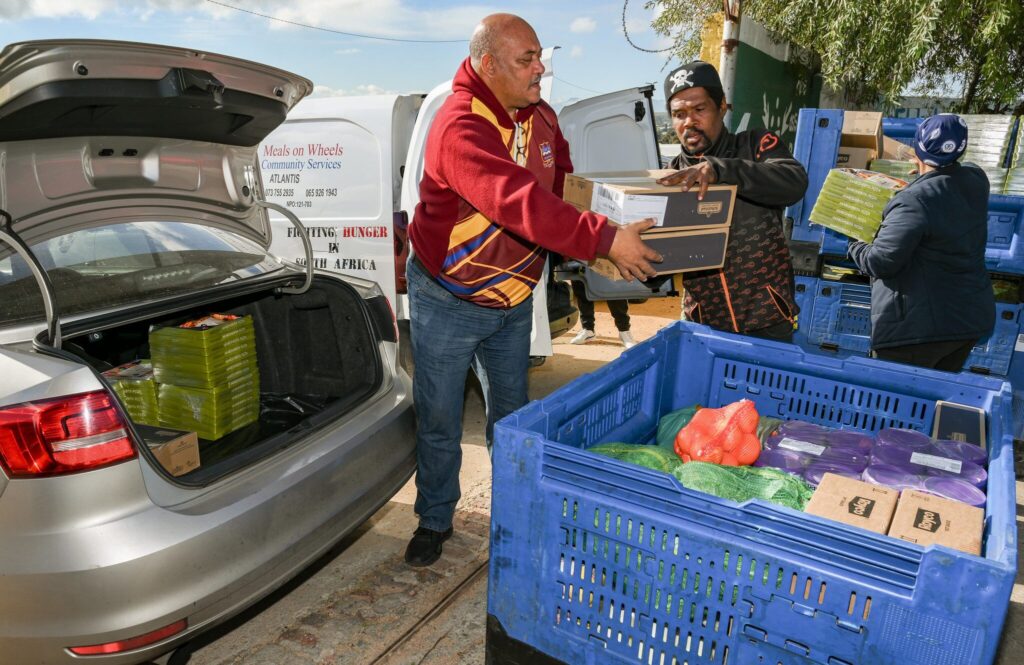
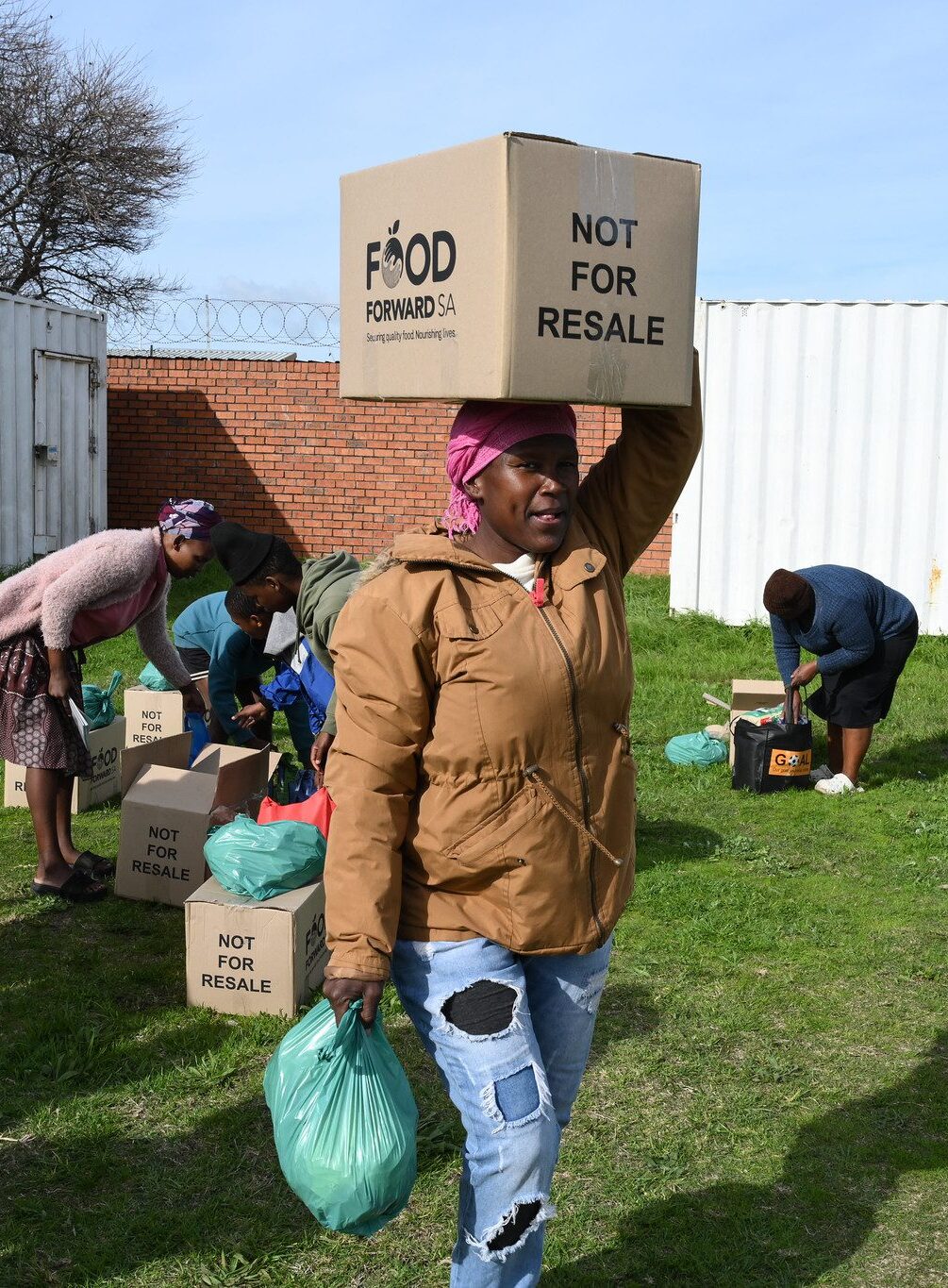
  • South Africa’s weak economy and struggling businesses have made fundraising extremely challenging, compounded by significant USAID funding cuts. FoodForward South Africa (FFSA), a national network of food banks, states that this has intensified competition among NPOs for a shrinking pool of resources. The first 6 to 9 months of 2026 are expected to remain challenging.

Thông qua các đối tác, nhân viên FFSA đã ghi nhận sự sụt giảm đáng kể số người được sàng lọc và xét nghiệm HIV do việc đóng cửa các trung tâm xét nghiệm, điều này có khả năng làm tăng tỷ lệ mắc HIV/AIDS. Các trung tâm điều trị lao cũng đã đóng cửa, dẫn đến sự gia tăng tỷ lệ mắc bệnh. FFSA đang triển khai một chương trình thí điểm với một trung tâm y tế cộng đồng địa phương để cung cấp thực phẩm cho bệnh nhân lao có nguy cơ cao ở Masiphumelele.

GFN provided a grant to ensure that FFSA could continue critical programs, warehouse and general operations.
JANUARY 13, 2026

Châu Á Thái Bình Dương

Asia continues to be home to more than half of the population facing hunger. Cuts to ODA will impact the region, particularly in southeast Asia, including GFN countries Vietnam, the Philippines, and Indonesia, as the U.S. and the U.K. collectively cut more than $1.2 billion in aid.

Overall economic growth is projected to slow in 2026 as Asian economies have had to adapt to new trade realities. With external funding becoming less predictable, local organizations now need to step up in building their own financial and operational resilience. Strengthening local capacity is critical for maintaining stable food assistance and meeting growing demand.
Indonesia
  • Experts warn that without USAID funding, Indonesia may face setbacks in healthcare, governance reforms and disaster response capabilities, threatening progress in public sector accountability and its ability to respond effectively to crises.
  • Indonesia ranks 77th out of 127 countries in the Global Hunger Index, or a moderate level of hunger. Food banks FoodCycle Indonesia (FCI) and Scholars of Sustenance (SOS) are planning to seek alternative channels to build their own financial and operational resilience.
  • FCI is expanding their operations into new regions to unlock recurring food loss at the farm and early supply-chain level, working directly with smallholder farmers to recover surplus fresh produce before it goes to waste. Their successful pivot to agricultural recovery in 2024 has resulted in a significant increase in kilograms distributed, and they are actively expanding that program with GFN’s support.
  • Additionally, Indonesia is susceptible to natural disasters. Recently, flooding and landslides in Sumatra have killed more than 900 people. FCI has received donations specifically for deployment to flood-affected communities.
Philippin
  • USAID supported maternal and child health programs in the Philippines; These programs have now shut down leaving agencies to source alternative channels for resources and support.
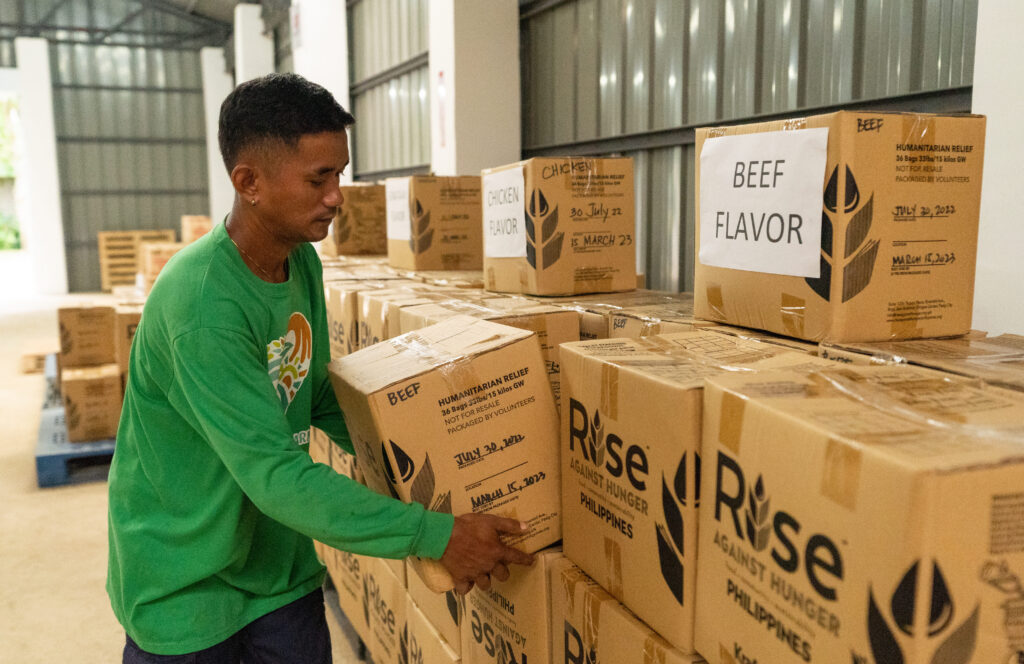
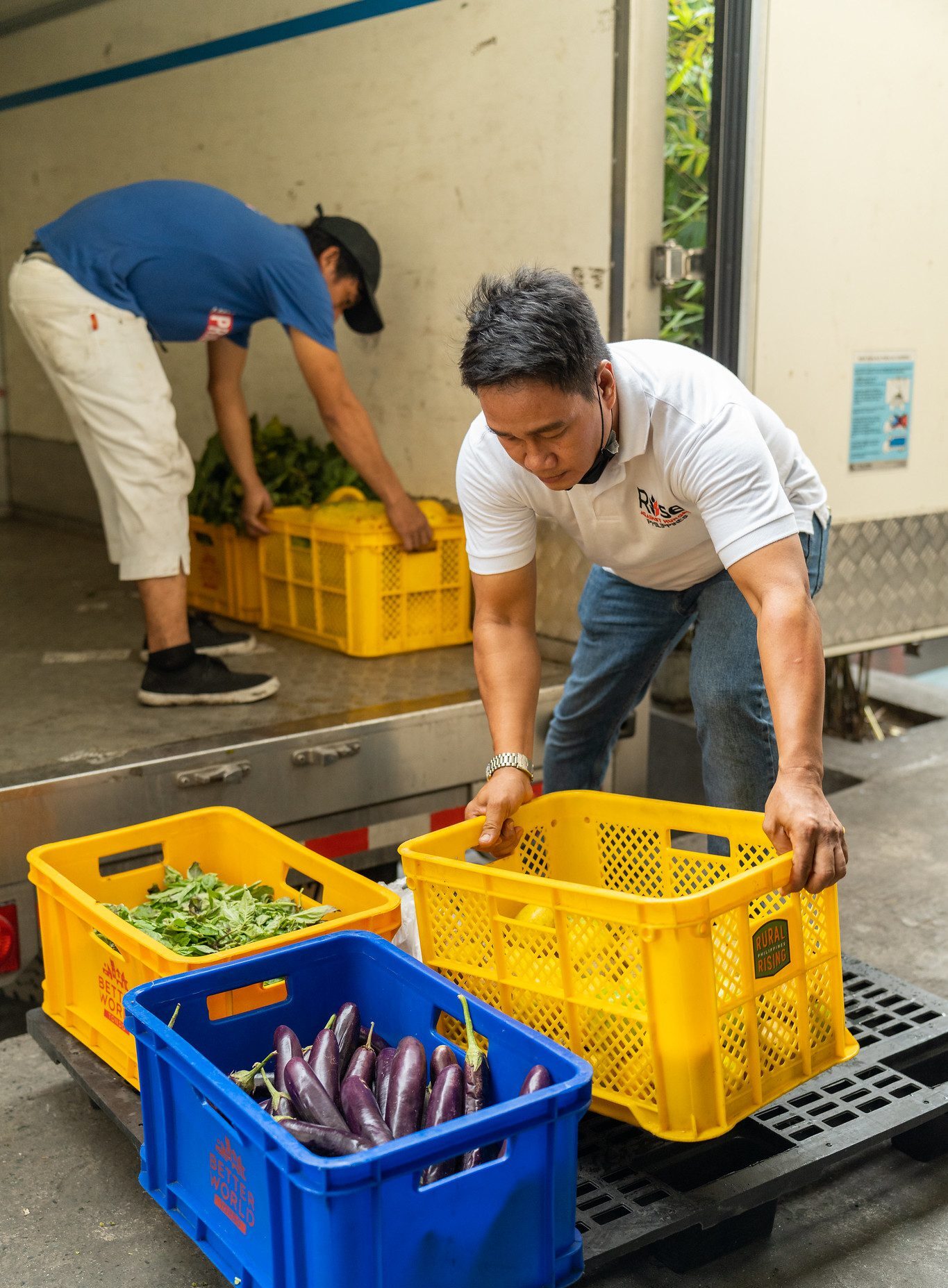
  • With finite resources, Rise Against Hunger (U.S.) diverted its funding from less-urgent regions to Africa, which means a 50% reduction of funding and meal packs for GFN member Rise Against Hunger Philippines in 2025 compared to 2024.

JANUARY 13, 2026

Mỹ La-tinh

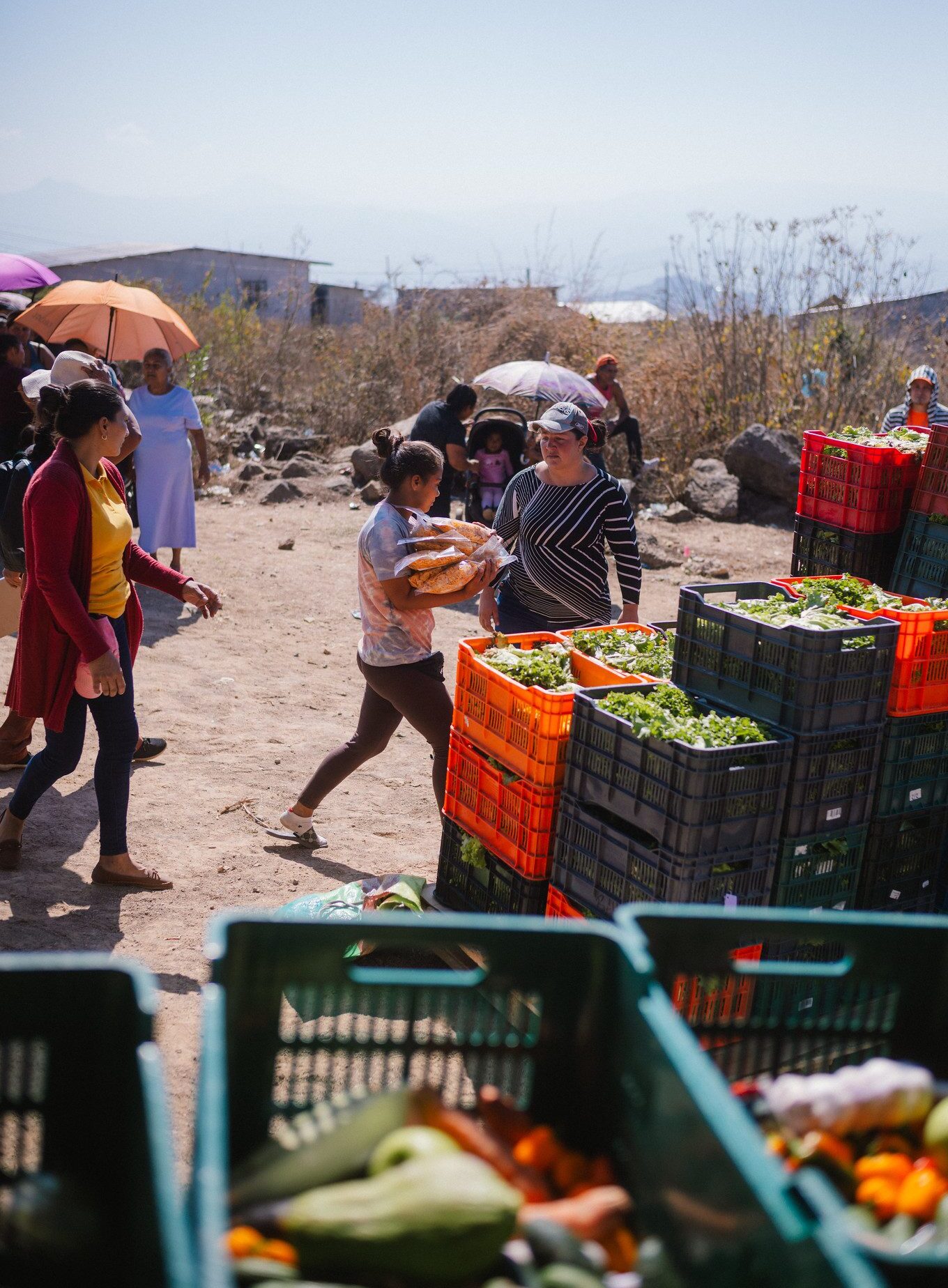
The 2025 Global Report on Food Crises identified six countries in Latin America and the Caribbean facing food crises, including five GFN network countries: Colombia, Ecuador, El Salvador, Guatemala and Honduras.
  • Twenty percent of the population — 19.7 million people — of all six countries faced high levels of acute food insecurity, including large numbers of refugees and migrants in Colombia and Ecuador. In total,11.8 million people in the six countries with food crises are displaced.
  • Việc USAID đóng cửa đã ảnh hưởng nghiêm trọng đến khu vực: Trong năm tài chính 2025, hơn 1 tỷ 4 nghìn tỷ đô la Mỹ (2,2 tỷ USD) quỹ của USAID đã được lên kế hoạch dành cho khu vực Mỹ Latinh và Caribe cho các chương trình nhằm giải quyết các vấn đề về giáo dục và đào tạo kỹ năng, việc làm, bạo lực giới, di cư và viện trợ nhân đạo.
El Salvador
  • GFN member Banco de Alimentos El Salvador distributes 657,000 kilograms of food and grocery product to more than 45,000 people annually.
  • Today, 35% of the food banks’ partner agencies are affected by funding cuts from the United States, making it difficult for them to cover their solidarity contribution (shared maintenance, or a small fee to cover food recovery, transportation, and storage) for the food received as well as the costs to transport food from the food bank. As a result, the food bank has been covering the transportation costs of the products distributed to two of the most affected organizations.
Honduras
  • GFN member Banco de Alimentos Honduras (BAH) and its network serve nearly 28,000 people annually with 1.2 million kilograms of food and grocery product.
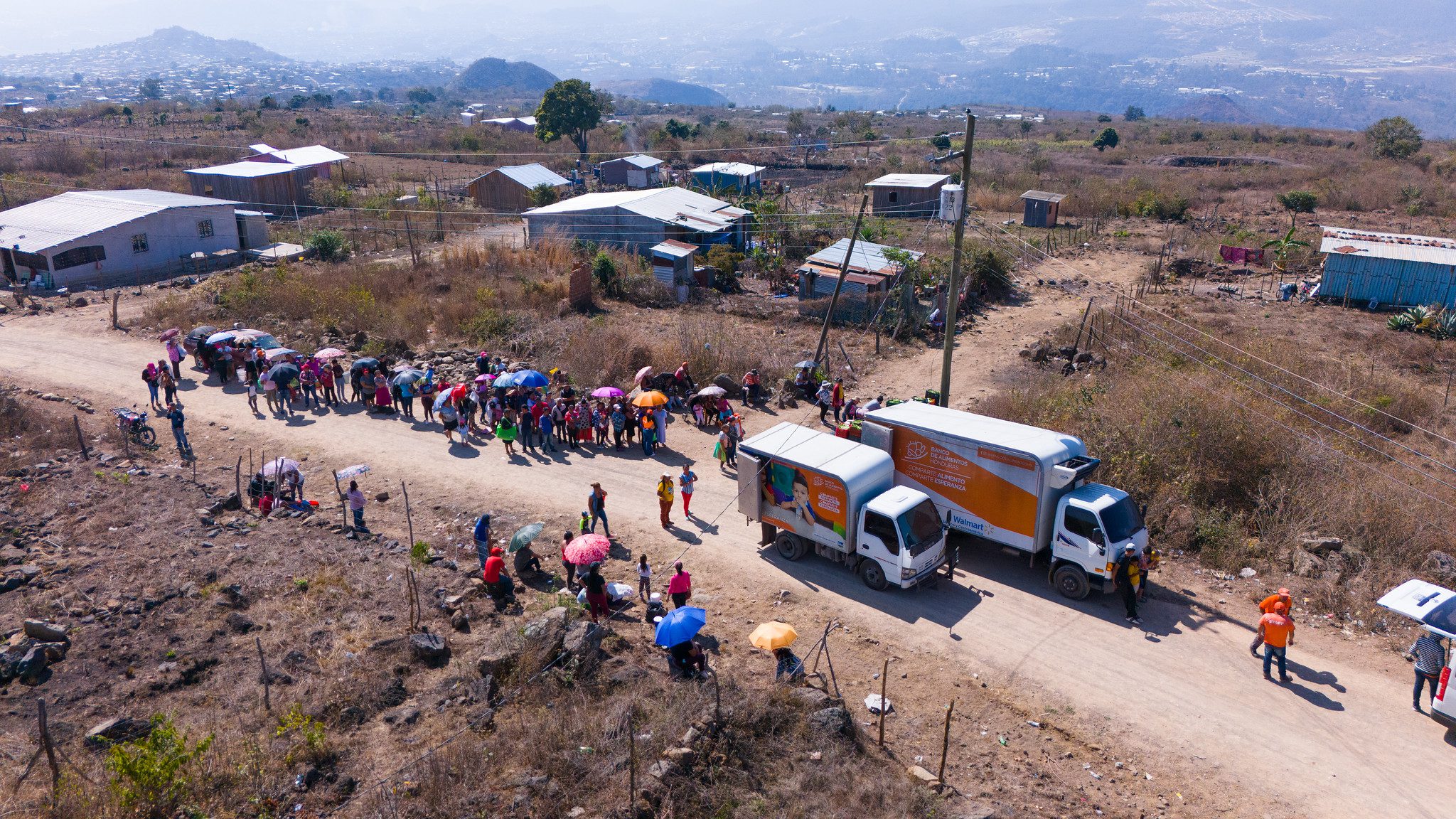
  • Twenty percent of member agencies have not been able to afford their solidarity contribution (also known as shared maintenance in the United States, or fees which offset sourcing, storage and distribution costs) and transportation. In response, BAH is distributing fruits and vegetables free of charge to organizations that face funding cuts to prevent them from closing their operations.

JANUARY 13, 2026

Châu Âu

Food security in Europe is impacted by geopolitics, climate change and economic disparities.
  • War in Ukraine has affected the region’s access to wheat and maize, major exports, and prices of fuel and fertilizer.
  • Approximately 7.4% of people in Europe experience moderate to severe food insecurity, which can mean reducing the size or frequency of meals all the way to going a whole day (or more) without food. In Eastern Europe, the number rises to 9.1% while in Ukraine, it’s 32.5%.
  • GFN’s partner, the European Food Banks Federation (FEBA), is a network of 352 food banks in 30 countries that provides service to 12.8 million people in vulnerable situations across Europe. In addition to product sourcing, food loss and waste reduction, and promoting knowledge sharing among member food banks, FEBA also advocates on behalf of policies that address the root causes of hunger and poverty. At a recent meeting of the European Parliament, FEBA took center stage to raise awareness of the urgency of rising food insecurity rates and food banks’ role in promoting a right to food.

JANUARY 13, 2026

United States

In addition to cuts to existing food and nutrition safety net programs, the current administration has also announced that it will no longer measure and publish data on food insecurity trends in the United States.
  • Eliminating the barometer of food and nutrition security during a time when food banks are reporting increasing demand for services, a government shutdown and disruptions in SNAP service is a striking blow to tracking progress and economic trends, organizations’ ability to measure and plan for need, and mapping where need is highest. The data has been collected and analyzed since the 1990s via the Current Population Survey of the U.S. Census, and it will now be incumbent upon independent institutions and researchers to pick up the slack.
  • Purdue University’s Center for Food Demand and Sustainability found that food insecurity and food inflation have edged up in 2025.Through November, the national food insecurity rate has averaged 14.2%, but November saw a jump from 13.3% in October to 16%. Among SNAP recipients, the jump was even higher: up from the typical 36% to 46% in November 2025.
  • Layoffs have increased in the U.S. with over 1.17 million job cuts this year as of November 2025, marking the first time in over 30 years that layoffs have exceeded 1.1 million. Experts predict that job loss will continue to rise.
  • Feeding America, GFN partner and the nation’s largest hunger-relief charity, represents 200 food banks across the country. Feeding America has been on the front lines advocating for SNAP and other federal nutrition programs like The Emergency Food Assistance Program (TEFAP), which provide support to farmers and ranchers as well as Americans facing hunger.

Tìm hiểu thêm

Explore ways to help food banks deliver where it's needed most