A comunidade global continua a enfrentar choques econômicos sobrepostos: recuperação desigual da COVID-19, reduções na ajuda oficial ao desenvolvimento (AOD), tarifas dos EUA, inflação e aumento dos custos dos alimentos — tudo isso somado a conflitos em curso e instabilidade política.
Os bancos de alimentos já estão sentindo as consequências imediatas dessas tendências, ao mesmo tempo que desempenham um papel ainda mais crucial no combate à insegurança alimentar em um mundo que mudou drasticamente.
O encerramento da USAID, em particular, representa uma das mudanças mais significativas no financiamento humanitário em décadas, remodelando a forma como os sistemas de alimentação e assistência são financiados e implementados. Antes de 2025, os EUA eram o maior contribuinte para a ajuda global, contribuindo com aproximadamente 351 a 401 trilhões de dólares de toda a assistência humanitária. A UE e vários Estados-membros, incluindo o Reino Unido, a França e a Alemanha, reduziram sua Ajuda Oficial ao Desenvolvimento (AOD) em 91 trilhões de dólares em 2024 e em mais 91 trilhões de dólares, para 171 trilhões de dólares, em 2025. Setenta países foram afetados por ordens de paralisação de atividades, cancelamento de contratos e isenções inconsistentes. De acordo com Atul Gawande, chefe dos esforços globais de saúde da USAID durante o governo Biden, isso levou a mais de 600.000 mortes, das quais dois terços eram de crianças.
De acordo com a Universidade George Washington Instituto Global de Alimentos, “Este momento representa não apenas um desafio de financiamento, mas também uma transformação estrutural na forma como a ajuda é organizada, prestada e sustentada”, e a questão urgente é “como as organizações humanitárias irão operar entre si e com as comunidades daqui para frente”.”
A Rede Global de Bancos de Alimentos (GFN, na sigla em inglês) mantém contato próximo com seus membros, monitorando os fluxos de doações, as tendências de demanda e o nível de preparação, enquanto busca oportunidades para fornecer recursos e orientações específicas para apoiar a resiliência e a criatividade dos bancos de alimentos liderados pela comunidade.
Segue abaixo um resumo dos desafios que os membros da GFN enfrentam atualmente e como estão reagindo.
A África está na linha de frente de uma crise global de fome cada vez mais grave. De acordo com o Relatório Global sobre Crises Alimentares de 2025, a África é uma das regiões mais afetadas, com o sul, o leste e partes do oeste do continente enfrentando fome severa devido a conflitos, eventos climáticos extremos e choques econômicos. As projeções mostram que, embora a prevalência da subnutrição diminua entre 2025 e 2030, 601 mil e três trilhões de pessoas afetadas estarão na África. Os cortes da USAID são especialmente sentidos: em 2023, 401 mil e três trilhões de dólares do orçamento da USAID foram destinados à África Subsaariana para programas como o Feed the Future e o PEPFAR.
Na República Democrática do Congo (RDC), prevê-se que os níveis de insegurança alimentar aguda persistam, agravados pelo aumento do conflito na região leste e intensificados pelos cortes na Ajuda Oficial ao Desenvolvimento (AOD). A violência provocou deslocamentos em massa, afetando quase 5,8 milhões de pessoas, além de interromper a produção agrícola e restringir o acesso à assistência humanitária. Os Estados Unidos foram o maior doador para a RDC, fornecendo mais de 1,4 trilhão de dólares em ajuda humanitária anualmente. Os fundos foram destinados à saúde, educação, desenvolvimento agrícola e econômico. Um dos bancos de alimentos mais recentes do continente, Mapendo Banque Alimentaire Na República Democrática do Congo, foram distribuídos 7.380 quilos de alimentos e produtos de mercearia para 852 pessoas em 2024.
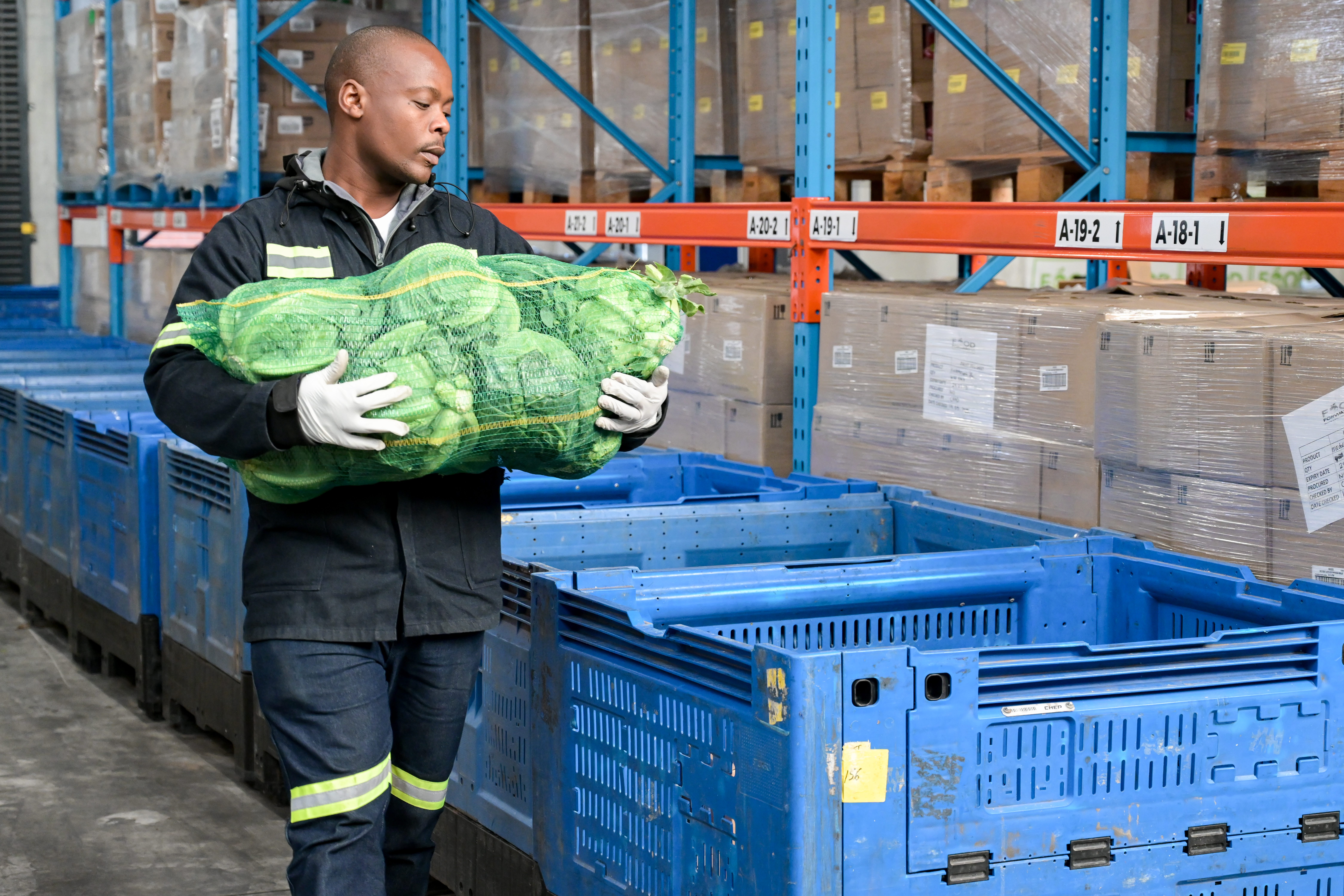
O ambiente operacional da África do Sul continua desafiador, apesar de alguns sinais de melhoria. O crescimento econômico está projetado em 1,21% em 2025 — bem abaixo do limite necessário para reduzir significativamente o desemprego. Embora a taxa de desemprego tenha diminuído ligeiramente para 31,91%, ela permanece insustentavelmente alta. A fragilidade da economia sul-africana e as dificuldades enfrentadas pelas empresas tornaram a captação de recursos extremamente difícil, agravada pelos significativos cortes no financiamento da USAID. FoodForward África do Sul A FFSA afirma que isso intensificou a competição entre as organizações sem fins lucrativos por um número cada vez menor de recursos.
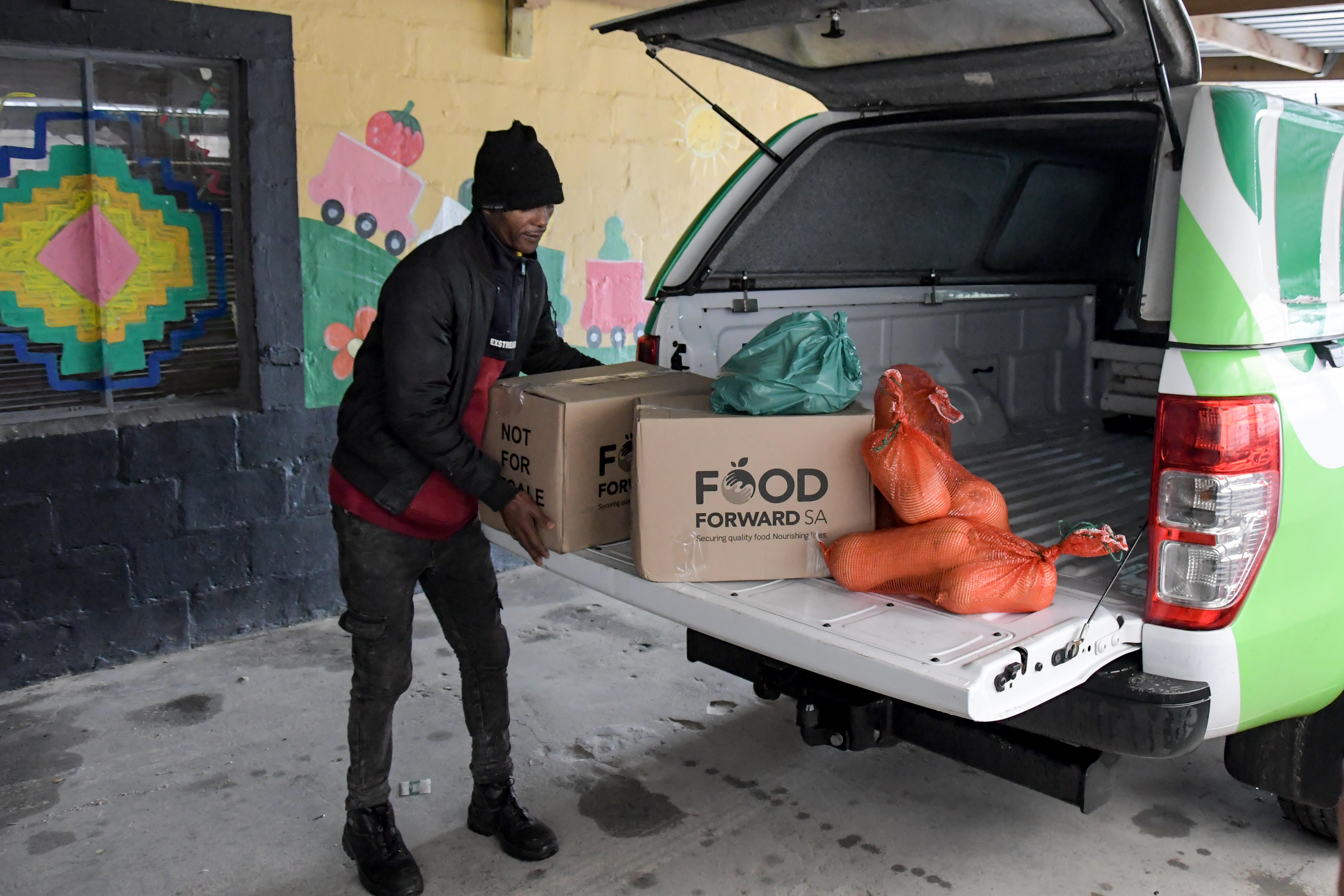
A equipe da FFSA, por meio de seus parceiros, observou uma queda significativa no número de pessoas examinadas e testadas para HIV com o fechamento dos centros de testagem, o que provavelmente aumentará a incidência de HIV/AIDS. Os centros de tratamento da tuberculose também fecharam, o que começará a aumentar a incidência da doença. A FFSA está lançando um projeto piloto com um centro de saúde comunitário local para fornecer alimentos a pacientes com tuberculose em situação de risco em Masiphumelele.
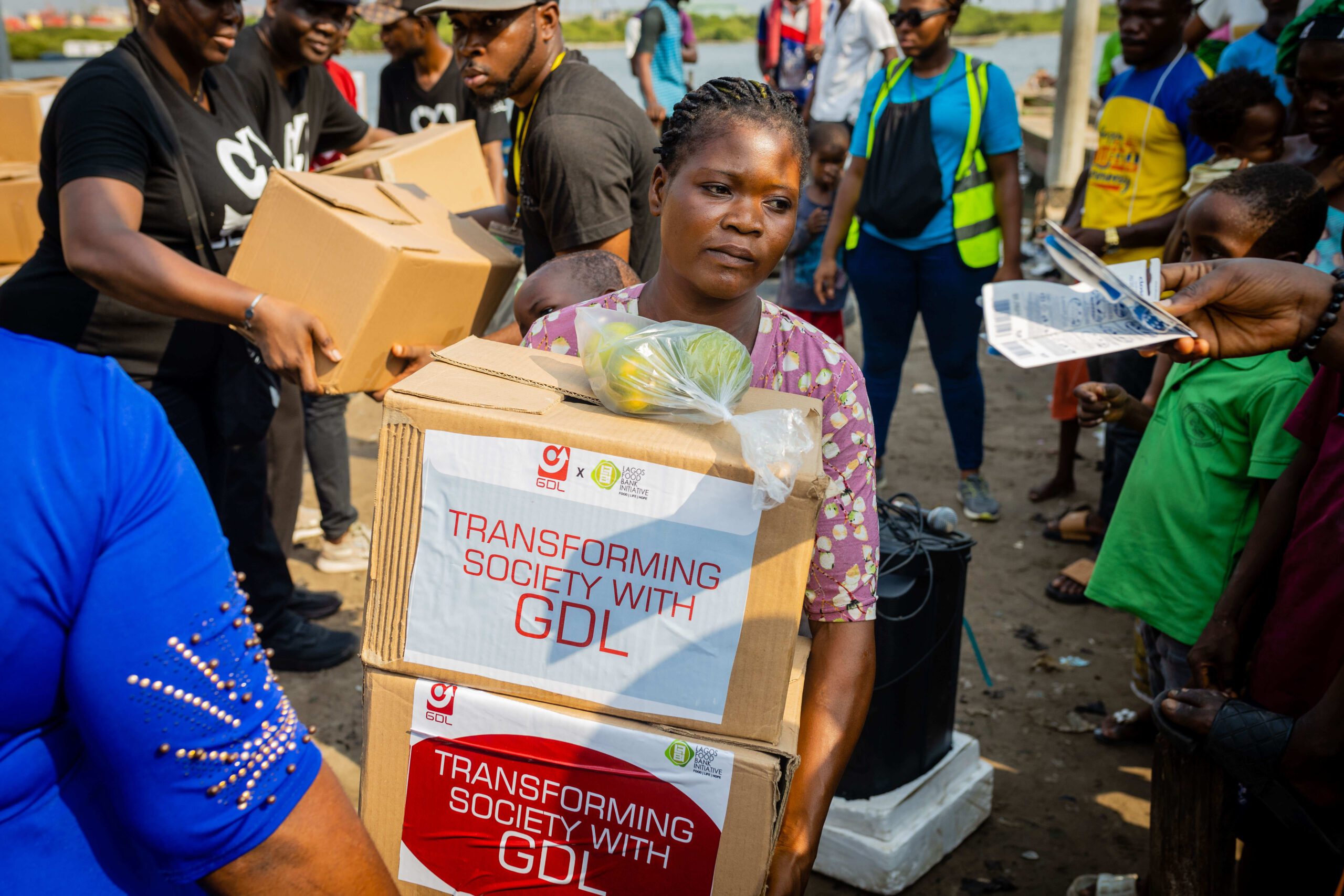
Da mesma maneira, Banco de Alimentos Quênia Os funcionários também têm observado as consequências dos cortes na Ajuda Oficial ao Desenvolvimento (AOD). "As ligações e os e-mails solicitando apoio alimentar quase triplicaram desde o início do ano", disse John Gathungu, CEO do Banco de Alimentos do Quênia. "Os encaminhamentos para o Banco de Alimentos do Quênia, incluindo aqueles feitos pela Cruz Vermelha do Quênia, também aumentaram drasticamente, à medida que mais famílias e organizações comunitárias enfrentam insegurança alimentar."“
A demanda por parte das escolas anteriormente financiadas pela USAID aumentou substancialmente, visto que as famílias têm dificuldades para suprir suas necessidades básicas. Para muitas crianças, essas refeições continuam sendo a fonte mais confiável de nutrição diária.
Em resposta, o Food Banking Kenya realocou suprimentos alimentares para parceiros que perderam o apoio da USAID, priorizando a assistência alimentar nutricionalmente sensível para mulheres e crianças, apoiando escolas e programas comunitários e fortalecendo os esforços locais de recuperação e fornecimento de alimentos.
“O trabalho de desenvolvimento relacionado à fome e à nutrição está mudando”, disse Gathungu. “Há uma necessidade crescente de modelos resilientes e liderados localmente que possam absorver os impactos de interrupções no financiamento e da variabilidade climática. O Banco de Alimentos do Quênia está bem posicionado para realizar esse trabalho: estamos inseridos nas comunidades, respondemos rapidamente em emergências e desempenhamos um papel duplo na redução da fome, ao mesmo tempo que combatemos a perda e o desperdício de alimentos.”
A Ásia continua a abrigar mais da metade da população mundial que enfrenta a fome. Os cortes na Ajuda Oficial ao Desenvolvimento (AOD) impactarão a região, particularmente o Sudeste Asiático, incluindo os países da GFN (Global Food Network - Rede Global de Alimentação) Vietnã, Filipinas e Indonésia, visto que os EUA e o Reino Unido, juntos, cortaram mais de 1,2 bilhão de dólares em ajuda. A projeção é de que o crescimento econômico geral desacelere em 2026, uma vez que as economias asiáticas tiveram que se adaptar às novas realidades comerciais.
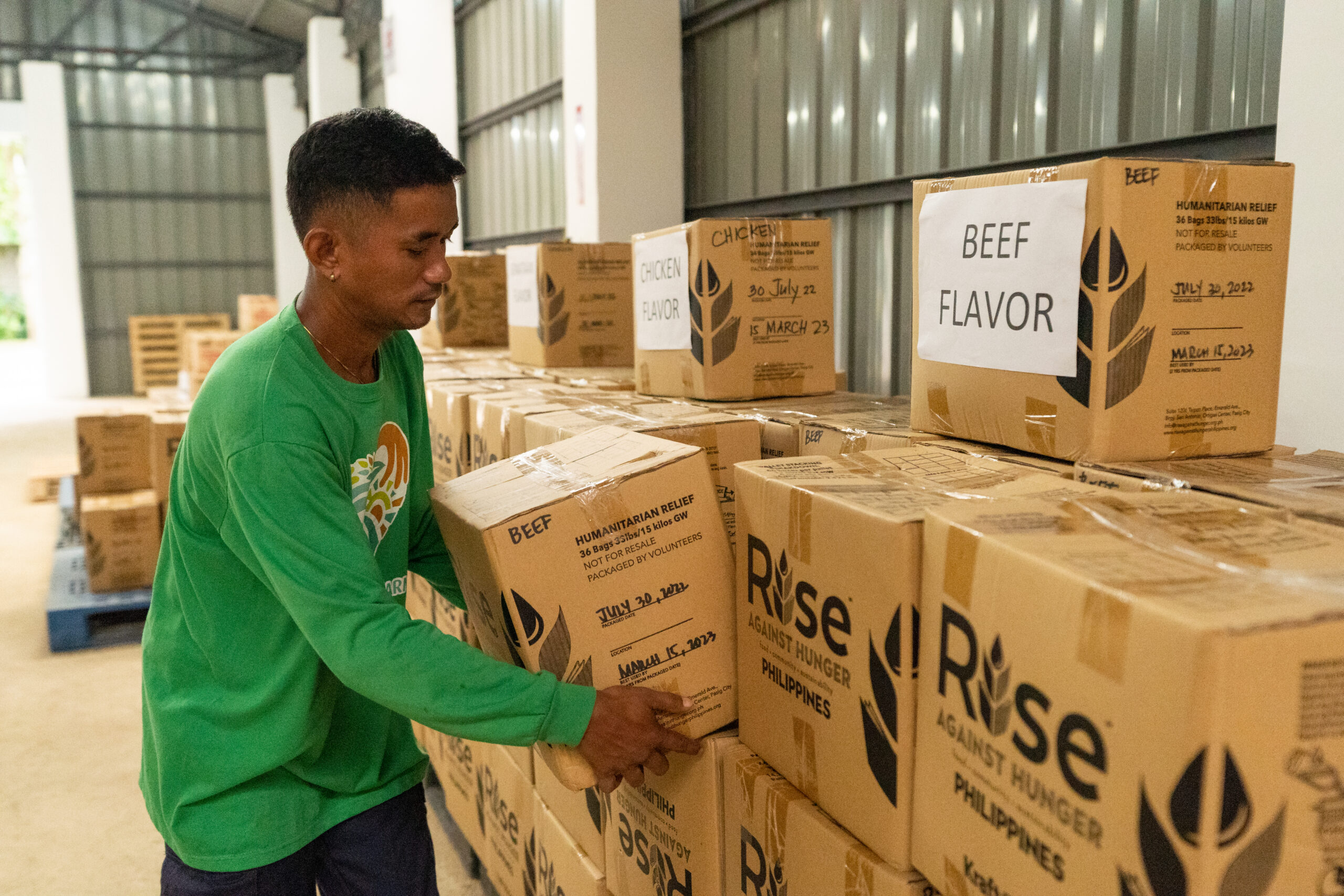
Especialistas alertam que, sem o financiamento da USAID, a Indonésia pode enfrentar retrocessos na saúde, nas reformas de governança e na capacidade de resposta a desastres, ameaçando o progresso na responsabilização do setor público e sua capacidade de responder eficazmente a crises. Bancos de alimentos FoodCycle Indonésia (FCI) e Estudiosos do Sustento A SOS planeja buscar canais alternativos para construir sua própria resiliência financeira e operacional. A FCI está expandindo suas operações para novas regiões a fim de solucionar as perdas recorrentes de alimentos no nível da fazenda e no início da cadeia de suprimentos, trabalhando diretamente com pequenos agricultores para recuperar o excedente de produtos frescos antes que se perca. Sua bem-sucedida transição para a recuperação agrícola em 2024 resultou em um aumento significativo nos quilos distribuídos, e eles estão expandindo ativamente esse programa com o apoio da GFN.
O Relatório Global sobre Crises Alimentares de 2025 identificou seis países da América Latina e do Caribe que enfrentam crises alimentares, incluindo cinco países membros da GFN: Colômbia, Equador, El Salvador, Guatemala e Honduras. Vinte por cento da população — 19,7 milhões de pessoas — nesses seis países enfrentam altos níveis de insegurança alimentar aguda, incluindo um grande número de refugiados e migrantes na Colômbia e no Equador. No total, 11,8 milhões de pessoas nesses seis países com crises alimentares estão deslocadas.
O encerramento da USAID impactou severamente a região: no ano fiscal de 2025, mais de 1,2 bilhão de dólares em fundos da USAID estavam destinados à América Latina e ao Caribe para programas que abordariam educação e treinamento profissional, emprego, violência de gênero, migração e ajuda humanitária.
Banco de Alimentos El Salvador Distribui 657.000 quilos de alimentos e produtos alimentícios para mais de 45.000 pessoas anualmente. Atualmente, 351 das agências parceiras do banco de alimentos estão sendo afetadas por cortes de verbas dos Estados Unidos, o que dificulta o pagamento de sua contribuição solidária, conhecida como "manutenção compartilhada" nos Estados Unidos, uma pequena taxa destinada à recuperação, transporte e armazenamento de alimentos. Como resultado, o banco de alimentos tem arcado com os custos de transporte dos produtos distribuídos para duas das organizações mais afetadas.
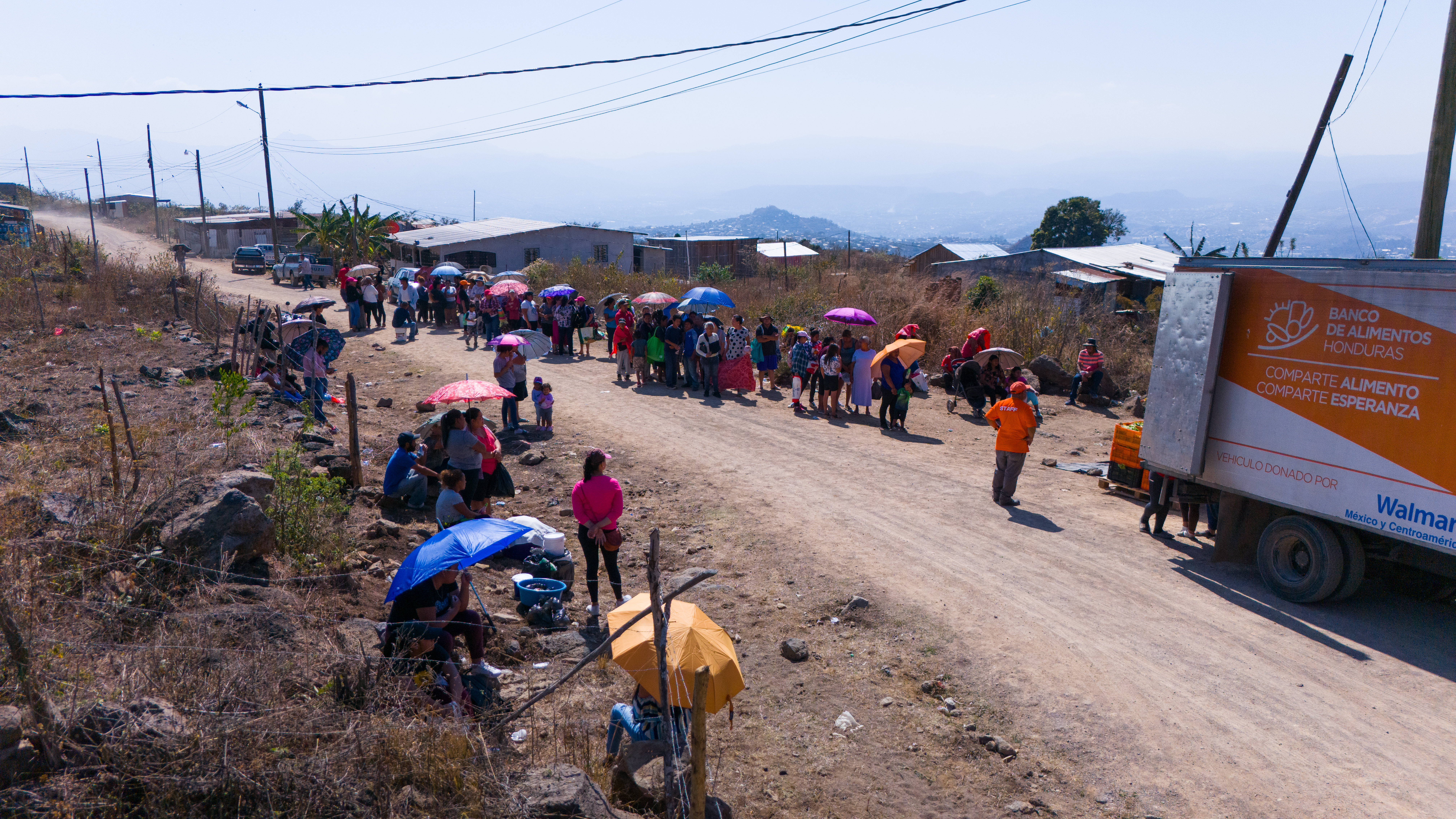
Banco de Alimentos Honduras A BAH (British Association of Humanities) e sua rede atendem quase 28.000 pessoas anualmente, distribuindo 1,2 milhão de quilos de alimentos e produtos de mercearia. Vinte por cento das agências membros não conseguiram arcar com sua contribuição solidária. Em resposta, a BAH está distribuindo frutas e verduras gratuitamente para organizações que enfrentam cortes de verbas, a fim de evitar o fechamento de suas atividades. A diretora da BAH, Vanessa Caballero, afirmou que o cenário de financiamento está mais desafiador do que nunca, principalmente no que diz respeito à solicitação e obtenção de recursos de fundações e organizações internacionais.
A GFN continuará monitorando e ajudando a enfrentar os desafios que os bancos de alimentos estão enfrentando. Para saber mais sobre como você pode apoiar esse trabalho, entre em contato com Vicki Clarke. vclarke@foodbanking.org.