Trong khi thế giới đang phải đối mặt với những tác động của việc cắt giảm viện trợ phát triển chính thức (ODA), tỷ lệ đói nghèo gia tăng và các thảm họa thiên nhiên, xung đột ở Trung Đông đã tạo ra những áp lực mới đang định hình nên bối cảnh xã hội, nhân đạo và môi trường.
Cuộc xung đột kéo theo sự xuất hiện của một cuộc khủng hoảng người tị nạn mới. Người dân đang bị... bị đuổi khỏi nhà Do hậu quả của bạo lực, thiệt hại tài sản hoặc sự cố lưới điện ở Iran, nơi vốn đã là quê hương của... hàng triệu người di cư Afghanistan.
Thổ Nhĩ Kỳ, một quốc gia thành viên của mạng lưới GFN, vốn đã là một trong những quốc gia tiếp nhận người tị nạn lớn nhất thế giới và vẫn đang trong quá trình phục hồi sau trận động đất kinh hoàng năm 2023, sẽ phải chịu áp lực ngày càng tăng khi người di cư đổ xô đến biên giới Iran-Thổ Nhĩ Kỳ. Cơ quan tị nạn của EU cho rằng ngay cả sự bất ổn cục bộ ở Iran cũng có thể tạo ra một cuộc khủng hoảng người tị nạn với quy mô "chưa từng có".“
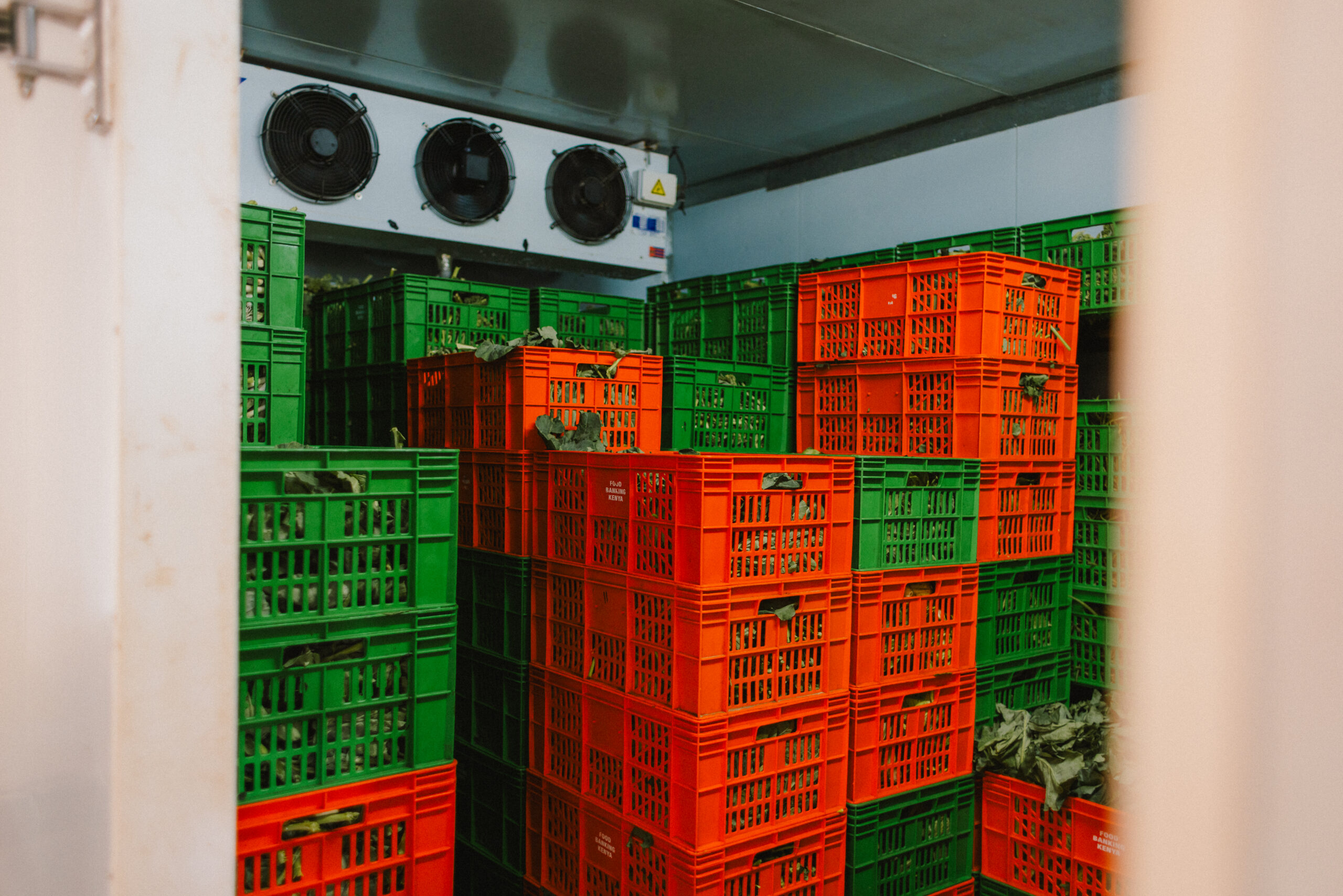
Trong khi đó, cuộc xung đột ở Iran đã và đang làm gián đoạn chuỗi cung ứng. Theo... Liên minh chuỗi cung ứng lạnh toàn cầu, Ước tính khoảng 101.300 tấn container toàn cầu đã bị gián đoạn, do đó một số sản phẩm đang chờ vận chuyển có thể bị kẹt tại các cảng và một số nhà xuất khẩu gặp khó khăn trong việc vận chuyển sản phẩm đến điểm đến cuối cùng. Mặc dù điều này có thể tạo ra cơ hội tức thời cho các ngân hàng thực phẩm thu hồi thực phẩm bị kẹt tại các cảng, nhưng nó lại gây ra những vấn đề lâu dài. các mối đe dọa đối với an ninh lương thực toàn cầu Thông qua việc chậm trễ vận chuyển, giá cước vận tải tăng cao, giá thực phẩm, dầu mỏ và phân bón tăng, cũng như lợi nhuận giảm sút đối với các nhà sản xuất thực phẩm và những hậu quả lâu dài đối với lịch trình gieo trồng. Mặc dù Trung Đông bị ảnh hưởng ngay lập tức, nhưng tác động sẽ lan rộng ra toàn cầu.
Chương trình Lương thực Thế giới của Liên Hợp Quốc ước tính rằng Thêm 45 triệu người trên toàn cầu có thể rơi vào tình trạng mất an ninh lương thực trầm trọng hoặc tồi tệ hơn. Theo các nguồn tin, sản xuất nông nghiệp, an ninh lương thực và thị trường toàn cầu đang gặp rủi ro. Nhà kinh tế trưởng của FAO Máimumo Torero. Những điều kiện phức tạp này đã khiến nhiều người coi năm 2025 là năm nhân đạo tồi tệ nhất trong lịch sử, và Hậu quả thảm khốc sẽ còn kéo dài nhiều năm. Sẽ đến.
Các ngân hàng thực phẩm luôn ở tuyến đầu, đáp ứng nhu cầu lương thực cấp thiết khi người dân phải di dời, mất việc làm hoặc giá lương thực tăng cao, nhưng họ cũng gánh chịu những cú sốc dây chuyền lan truyền trong cộng đồng và hệ thống lương thực. Các ngân hàng thực phẩm và các tổ chức thành viên thường là những người đầu tiên cảm nhận áp lực của các thảm họa ngày càng gia tăng, nhưng với tư cách là các tổ chức do địa phương lãnh đạo và gắn bó chặt chẽ với cộng đồng, họ cũng là những người cuối cùng phải lùi bước.
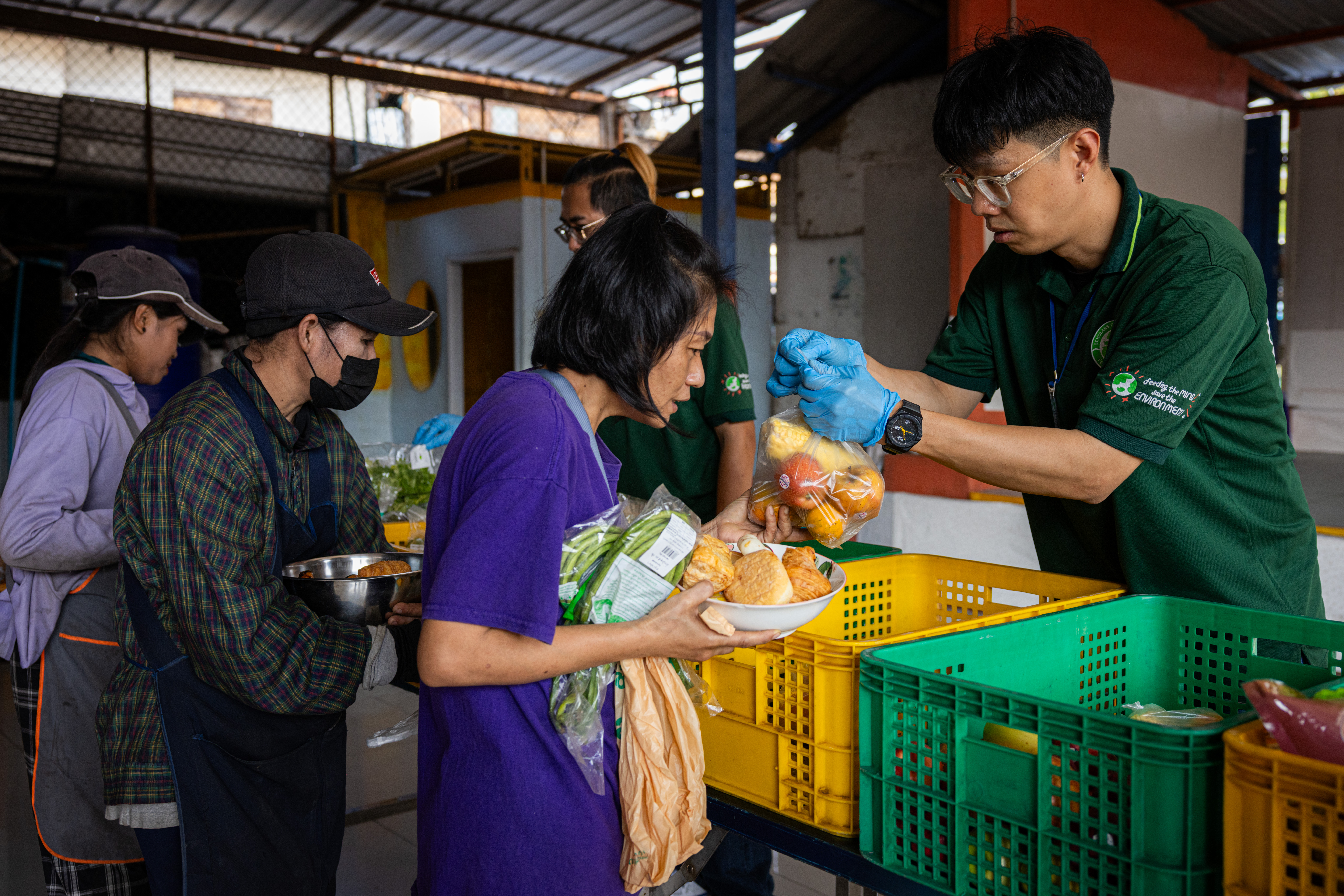
Thông qua việc liên lạc thường xuyên với các ngân hàng thực phẩm thành viên, Mạng lưới Ngân hàng Thực phẩm Toàn cầu (GFN) đang theo dõi sát sao cách các sự kiện hiện tại đang định hình hoạt động và chương trình, đảm bảo rằng nguồn lực và sự hỗ trợ được hướng đến nơi cần thiết nhất.
Trên lục địa này, cuộc khủng hoảng lương thực và dinh dưỡng ở Tây Phi nói riêng đang ngày càng trầm trọng, gây áp lực lên các hộ gia đình và ngân hàng thực phẩm. Thông tin mới nhất Dữ liệu Cadré Harmonisé Ước tính hiện đã có 41,8 triệu người đang phải đối mặt với tình trạng thiếu lương thực trầm trọng, và con số này dự kiến sẽ tăng lên 52,8 triệu người trong mùa khan hiếm lương thực từ tháng 6 đến tháng 8 năm 2026. Hơn 1,4 triệu người ở Nigeria và Ghana đang trong tình trạng khẩn cấp.
Một rủi ro mới nổi khác xuất phát từ tình trạng nghiêm trọng sự gián đoạn trên thị trường phân bón toàn cầu Đúng vào thời điểm khu vực cận Sahara bước vào mùa gieo trồng quan trọng, khoảng một phần tư nguồn cung phân bón của thế giới được vận chuyển qua eo biển Hormuz, một hành lang hiện đang bị tê liệt, hạn chế nghiêm trọng khả năng tiếp cận đối với các quốc gia phụ thuộc vào nhập khẩu. Các nước thuộc Mạng lưới Khí hậu Xanh (GFN) đang đối phó với cuộc khủng hoảng nhiên liệu theo nhiều cách khác nhau: Ví dụ, Ghana đã tăng giá nhiên liệu và Nam Phi đang giảm thuế nhiên liệu.
Banque Alimentaire de Cote d'Ivoire (BACI)
Nguồn vốn ODA tại quốc gia này tương đương với 31.300 tỷ bảng Anh thu nhập quốc dân của Bờ Biển Ngà. Kể từ khi thành lập vào năm 2019, BACI đã tiếp cận hơn 300.000 người ở Abidjan và các cộng đồng lân cận. Trong bối cảnh ngân hàng thực phẩm vẫn còn đang phát triển, BACI đang mở rộng nhanh chóng một phần nhờ sự hỗ trợ và hướng dẫn từ GFN. BACI đã tham gia nhóm thứ hai của chương trình GFN. Máy gia tốc Năm 2024, chỉ trong vòng một năm, phạm vi phân phối đã tăng gần gấp đôi và số người được phục vụ tăng gần gấp ba. GFN đã cung cấp hỗ trợ kỹ thuật, học hỏi lẫn nhau và đào tạo, cùng với nguồn tài trợ mới cho các quốc gia bị ảnh hưởng nặng nề nhất bởi việc cắt giảm ODA, điều này cho phép mua một xe tải đông lạnh và bổ sung thêm một tài xế, mở rộng cả phạm vi hoạt động và tính bền vững lâu dài của tổ chức. Sự hỗ trợ trong tương lai sẽ được dành cho việc thuê một người gây quỹ và một phương tiện mới nữa.
Tổ chức Food Forward South Africa (FFSA)
Giống như nhiều quốc gia khác, Nam Phi đang đối mặt với suy thoái kinh tế. Tỷ lệ thất nghiệp cao, đặc biệt là thất nghiệp thanh niên ở mức 601.300 USD. FFSA nhận được khoảng 601.300 USD doanh thu từ các nhà tài trợ doanh nghiệp, nhưng các doanh nghiệp địa phương và quốc gia đang gặp khó khăn do nền kinh tế suy thoái và chi tiêu tiêu dùng giảm. Thị trường tài trợ ngày càng cạnh tranh hơn với nhiều tổ chức phi lợi nhuận cần được cấp vốn.
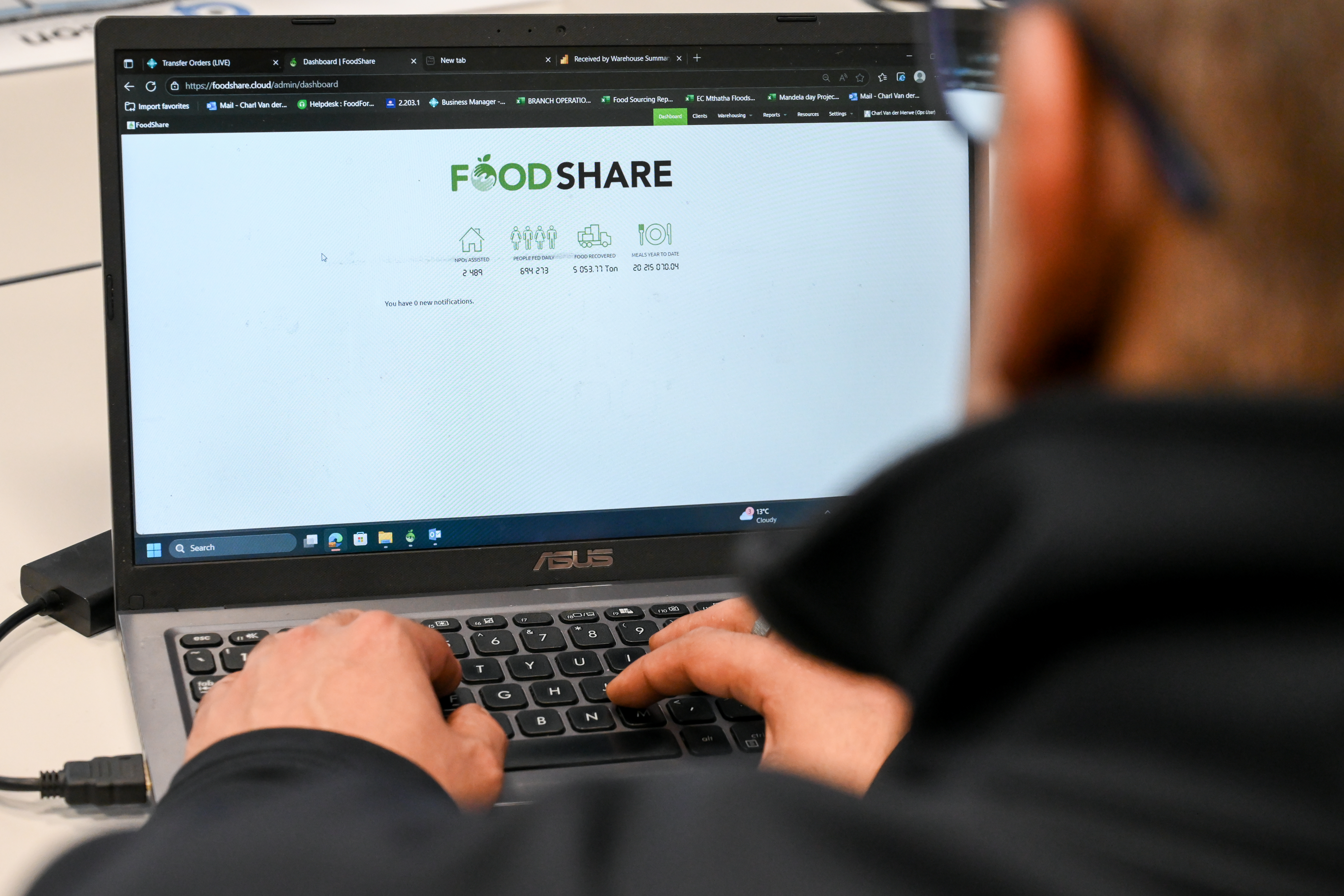
Việc mất nguồn tài trợ từ PEPFAR đã gây nguy hiểm cho các dịch vụ y tế, vì vậy FFSA đã tăng cường hỗ trợ các phòng khám y tế hiện đang quá tải với số lượng đơn đăng ký. Foodshare, nền tảng kỹ thuật số của FFSA, chịu trách nhiệm thu mua 22.000 tấn thực phẩm, chiếm 701.300 tấn trong tổng số lượng thực phẩm được phân phối hàng năm. Bốn trong năm nhà bán lẻ hàng đầu của Nam Phi đang sử dụng Foodshare để quản lý các khoản quyên góp trực tuyến của họ. Nhờ khoản tài trợ từ GFN vào tháng 11 năm 2025, FFSA đã có thể duy trì các tuyến đường di động phục vụ người dân vùng sâu vùng xa và nông thôn, một yếu tố quan trọng để tiếp cận các cộng đồng chưa được phục vụ đầy đủ.
Châu Á và Châu Phi cận Sahara Họ dễ bị tổn thương nhất trước tác động của chiến tranh vì phụ thuộc vào nhập khẩu lương thực và nhiên liệu. Châu Á đang cảm nhận cú sốc này một cách rõ rệt nhất., Do hầu hết các quốc gia trong khu vực đều phụ thuộc rất nhiều vào dầu mỏ Trung Đông, các nước GFN đang phải đối phó với chi phí nhiên liệu tăng cao và tình trạng thiếu hụt theo nhiều cách khác nhau. Đây cũng là khu vực dễ bị ảnh hưởng nhất bởi sự gián đoạn trong dòng chảy dầu khí qua eo biển Hormuz, khiến giá cả tăng vọt và sự không chắc chắn về nguồn cung trở nên đặc biệt bất ổn. Nguồn cung phân bón dồi dào của Ấn Độ Khi các nhà máy đóng cửa hoặc giảm sản lượng do giá khí đốt tự nhiên tăng cao, khả năng duy trì vị thế là nhà sản xuất lương thực hàng đầu thế giới của quốc gia này đang bị đặt dấu hỏi. Theo... Đánh giá của WFP, Các dự báo hiện tại chỉ ra rằng số lượng người thiếu an ninh lương thực trên khắp châu Á sẽ tăng thêm 241.000 người.
Học giả Sustenance Thái Lan (SOS)
Việc cắt giảm ngân sách của USAID đã ảnh hưởng nghiêm trọng đến các nhóm người tị nạn và lao động di cư, chủ yếu sinh sống dọc biên giới Thái Lan - Myanmar. Do đó, SOS đã nhận được ngày càng nhiều yêu cầu trực tiếp từ các cá nhân. Năm 2026, SOS dự định thành lập và đào tạo đại diện tại tất cả 27 tỉnh thành của Thái Lan để thực hiện công tác cứu trợ lương thực với sự hỗ trợ của chính phủ trung ương và địa phương, hướng tới mục tiêu mở rộng chương trình cứu trợ lương thực của SOS đến các khu vực phục vụ người di cư và người tị nạn.
Chính phủ Thái Lan đang theo dõi sát sao tình hình thiếu nhiên liệu và đã có những biện pháp ứng phó. đề xuất nhiều kế hoạch dự phòng, bao gồm việc ưu tiên các nhu cầu khẩn cấp (như bệnh viện), phân phối hàng hóa và giới hạn giờ hoạt động của các trạm xăng.
Theo FAO, Tình trạng suy dinh dưỡng ở khu vực Mỹ Latinh và Caribe đã giảm trong bốn năm liên tiếp, đạt mức 5,11 tỷ người/năm vào năm 2024, giảm so với 6,11 tỷ người/năm vào năm 2020. Mặc dù có tiến bộ này, sự chênh lệch giữa các khu vực vẫn còn tồn tại. OECD vẽ nên một bức tranh Dự báo về sự suy giảm tăng trưởng kinh tế ở Mỹ Latinh vào năm 2026 do nhiều yếu tố khác nhau, bao gồm lạm phát, các sự kiện liên quan đến khí hậu và căng thẳng địa chính trị.
Banco de Alimentos của Bolivia
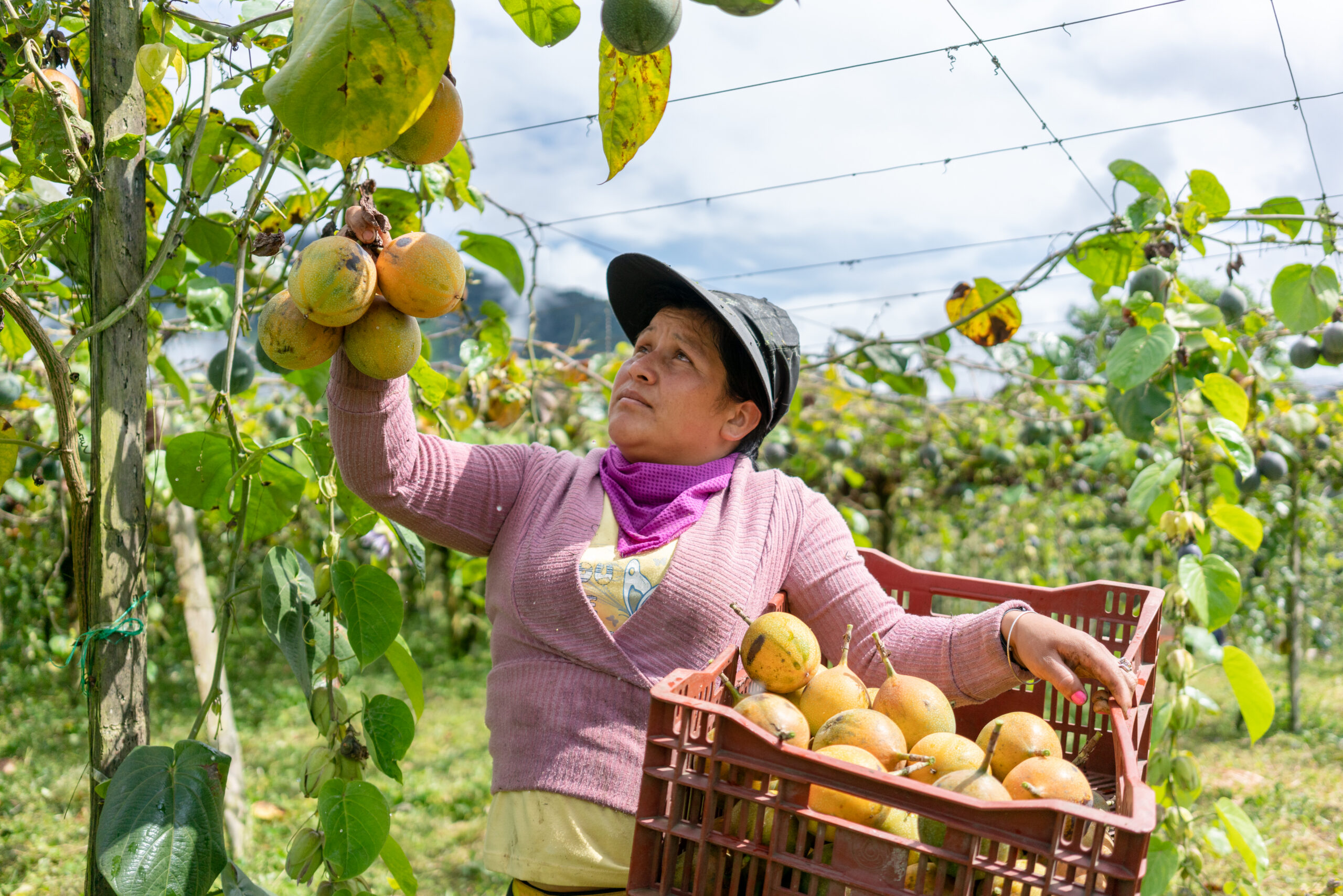
Để giúp giảm thiểu những thách thức hiện tại với các nhà tài trợ thương mại, ngân hàng thực phẩm này là một trong sáu ngân hàng thực phẩm nhận được hỗ trợ kỹ thuật phục hồi nông nghiệp chuyên sâu thông qua GFN. Việc mở rộng sang khu vực Santa Cruz đang được tiến hành và cho phép thu hồi được khối lượng nông sản lớn hơn. Với sự hỗ trợ của GFN, ngân hàng thực phẩm đặt mục tiêu thu hồi 150 tấn từ ngành nông nghiệp trên khắp các khu vực Santa Cruz và Cochabamba. Hỗ trợ kỹ thuật của GFN đang giúp đơn giản hóa việc thiết kế và triển khai mô hình hậu cần và nhân sự mới để quản lý mối quan hệ với nông dân và thu gom thực phẩm.
Banco de Alimentos El Salvador (BAES)
Tại El Salvador, năm 2025 là một năm không giống bất kỳ năm nào khác: Có sự bất ổn và biến động không chỉ do việc cắt giảm ngân sách của USAID mà còn do bối cảnh chính trị và kinh tế của đất nước. Mặc dù BAES không nhận được quỹ từ USAID, nhưng 35% tổ chức thuộc mạng lưới của họ đã nhận được nguồn tài trợ đáng kể, đặc biệt là các tổ chức làm việc với trẻ em, thanh thiếu niên và người trẻ tuổi. Kết quả là, nhiều tổ chức trong số đó đã hủy bỏ các chương trình hoặc giảm ngân sách của mình.
Trong năm qua, sau nhiều năm chuẩn bị kỹ lưỡng, BAES đã đạt được chứng nhận GFN, điều này đã củng cố vị thế và nhận diện thương hiệu của ngân hàng thực phẩm, đồng thời tăng cường niềm tin giữa các đối tác. Chứng nhận GFN là một tiêu chuẩn cao, đóng vai trò như một thư giới thiệu và chứng thực, đặc biệt là trong khu vực tư nhân. Năm 2025, BAES đã thu hồi được 706.000 kg thực phẩm và phục vụ 46.000 người trên 12 trong số 14 tỉnh thành của cả nước.
GFN sẽ tiếp tục theo dõi và hỗ trợ giải quyết những thách thức mà các ngân hàng thực phẩm đang phải đối mặt. Để tìm hiểu thêm về cách bạn có thể hỗ trợ công việc này, vui lòng liên hệ với Vicki Clarke theo địa chỉ sau: vclarke@foodbanking.org.