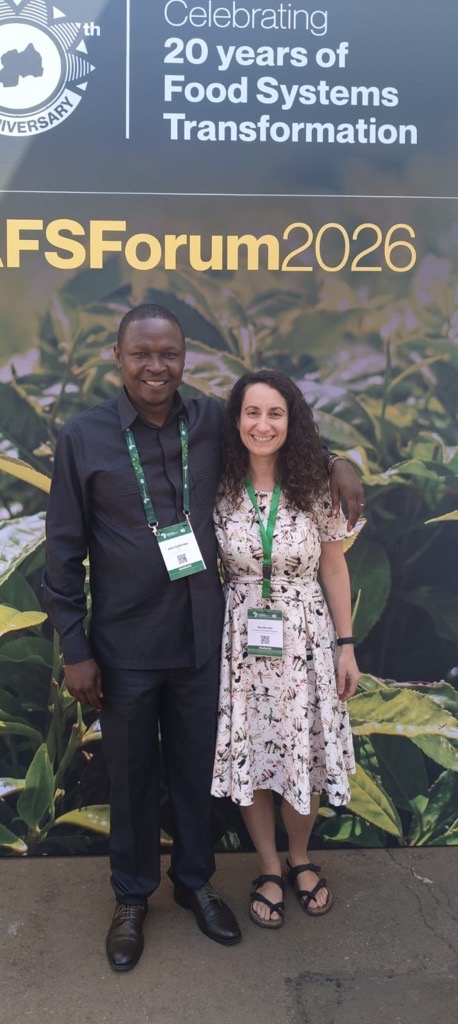
저는 올해를 떠났습니다. 아프리카 식량 시스템 포럼 미래에 대한 기대감으로 가득 차 있습니다. AFSF는 아프리카의 식량 시스템이 더 풍부하고 질 좋은 식량을 제공할 수 있도록 공동의 목표를 위해 사람들을 하나로 모읍니다.
르완다 키갈리에서 열린 행사에서 저는 몇 년 동안 직접 만나지 못했던 사람들과 재회했지만, 그 관계의 깊이는 여전히 변함없었습니다. 그 이유 중 하나는 직접 만났든 아니든, 우리가 그동안 계속해서 협력 관계를 유지해 왔기 때문이라고 생각합니다.
특히 많은 젊은이들의 참여는 컨퍼런스의 활기를 한층 끌어올렸는데, 이는 아프리카 대륙의 특성을 고려할 때 당연한 결과입니다. 인구의 약 70%는 30세 미만입니다.. 저는 It Rains Food Bank Ethiopia와 Banco de Alimentos de Moçambique와 같은 GFN 회원 푸드뱅크를 이끄는 젊고 활기 넘치는 리더들에게 영감을 받았는데, 키갈리에서도 똑같은 정신을 느낄 수 있었습니다.
집중, 영감, 협력이라는 배경 속에서 올해 AFS 포럼의 세 가지 주요 교훈을 소개합니다.
식량 손실과 낭비는 엄청난 문제입니다. 전 세계적으로 14억 헥타르의 땅이 식량 생산에 사용되지만, 그 식량은 소비되지 않고 버려집니다. AFSF에서 이 문제가 강력하게 제기된 것을 보고 감사했습니다.
특히 다음과 같은 이유로 그러했습니다. 이케아 재단 농장에서 식탁까지 이어지는 식품 낭비 문제를 해결하기 위한 사상 최대 규모의 자선 투자를 시범적으로 시작했습니다. 이 획기적인 투자는 8개 지역의 여러 기관을 하나로 모아 식품을 더욱 효율적으로 활용하는 검증된 솔루션을 확대 적용함으로써 더 많은 사람들에게 영양을 공급하고, 더 큰 경제적 가치를 창출하며, 지구 환경에 대한 부담을 줄이는 데 기여할 것입니다.
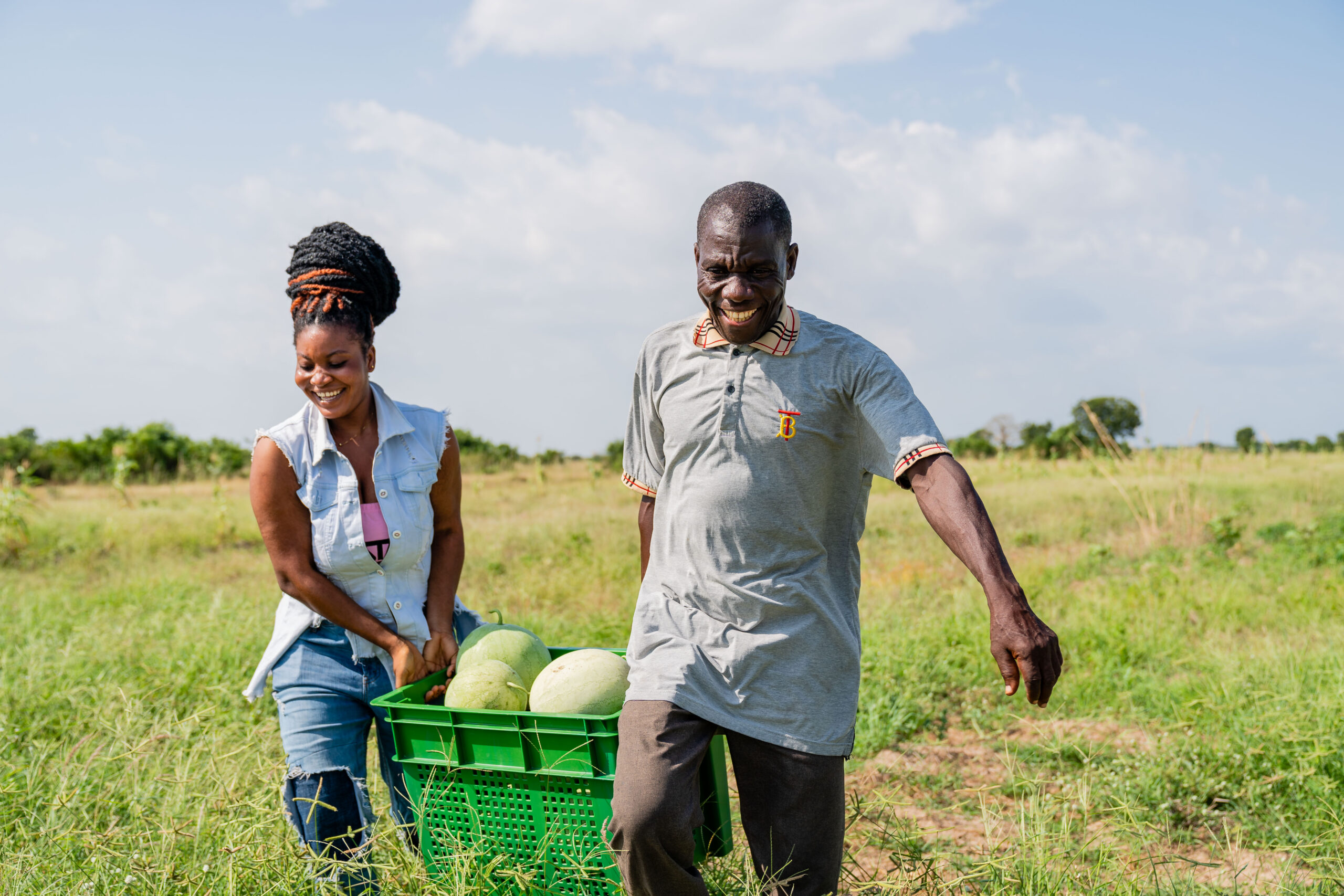
GFN이 식량을 더욱 효율적으로 활용하고 사람과 경제, 지구에 가치를 창출하는 이 계획에 협력하게 되어 자랑스럽습니다. 앞으로 몇 달 안에 더 자세한 내용을 알려드리겠습니다!
올해의 주제는 “아프리카 농식품 시스템 투자”였으며, 주요 관심 분야 중 하나는 “국가 영양 개선”이었습니다. 3억 9백만 명이 식량 불안정에 시달리는 아프리카 대륙에서, 영양가 있는 식단에 대한 더 나은 접근성을 안정적으로 확보하는 것은 여러 차례 논의된 중요한 과제였습니다.
GFN은 다음과 같은 방법을 통해 이 문제를 직접적으로 해결하고 있습니다. 농업 회복 허브, 이는 푸드뱅크가 농장이나 그 인근 지역에서 남는 농산물을 더 많이 회수하여 더 많은 사람들이 영양가 높은 식품을 이용할 수 있도록 돕는 역할을 합니다.
케냐 나이로비에 위치한 이 허브는 다음 사항에 중점을 둡니다. 지식과 기술 지원을 제공합니다. 푸드뱅크는 농장과 농산물 시장에서 신선한 농산물을 회수하고, 그 영양가 있는 음식을 굶주림에 직면한 사람들에게 배분하는 노력을 시작하고, 규모를 확대하고, 지속적으로 개선해야 합니다.
GFN의 농업 회복 허브의 지원을 받아, 푸드 뱅크 조직들은 2025년에 2024년보다 5억 5천 1백만 톤(55%) 더 많은 농산물을 조달하여 전 세계 사람들에게 2억 2천 8백만 킬로그램의 영양가 있는 식품을 제공했습니다.
아프리카에서는 소규모 농민들이 최대 801,300톤에 달하는 농지를 경작하고 있는데, 이는 아프리카 대륙의 번영이 이들의 복지에 달려 있음을 의미합니다. 키갈리에서는 이러한 생각이 매우 생생하게 느껴졌으며, 이는 제가 앞서 언급한 두 가지 핵심 사항과도 잘 맞아떨어집니다.
지역사회가 충격이나 스트레스 상황에서 자립하려면 강력한 지역 식량 시스템이 필요합니다. 또한 이미 생산되고 있는 양질의 식품이 매립지가 아닌 사람들의 식량으로 사용되도록 보장해야 합니다. 앞서 언급했듯이 GFN과 회원 푸드뱅크들은 농산물 회수 프로그램과 허브를 통해 식품 손실 문제를 해결하고 있습니다. 하지만 이것이 유일한 방법은 아닙니다.
측정하지 않으면 줄일 수 없습니다. (GFN) 액자 (메탄 배출을 피하기 위한 식량 회수이 방법론은 푸드뱅크를 비롯한 식품 재활용 기관들이 식품 회수 활동을 통해 얻는 온실가스 배출량 감축 및 기타 이점을 더 잘 측정하고 이해할 수 있도록 돕는 실용적인 도구입니다. 이 견고한 방법론을 활용하면 푸드뱅크를 비롯한 잉여 식품을 회수하고 재분배하는 기관들은 소규모 농가의 수확 후 손실을 줄이고 기아에 직면한 사람들에게 식량을 제공하는 데 얼마나 기여하고 있는지 정확하게 정량화할 수 있습니다.
AFSF의 열기를 되짚어보며, 이러한 추진력이 뉴욕 기후 주간부터 COP31에 이르기까지 올해의 다른 주요 행사들로 이어지기를 바랍니다. 음식물 쓰레기는 우리 시대에 가장 해결해야 할 지구적 기후 문제 중 하나입니다. 지금이야말로 음식물 쓰레기 감축 프로젝트를 지원해야 할 때입니다. 이러한 프로젝트는 즉각적인 기후 변화 대응 효과를 창출하는 동시에 농업 기업, 특히 소규모 농가, 지역 사회, 그리고 지구 전체에 큰 이점을 가져다줄 수 있는 기회를 제공합니다.