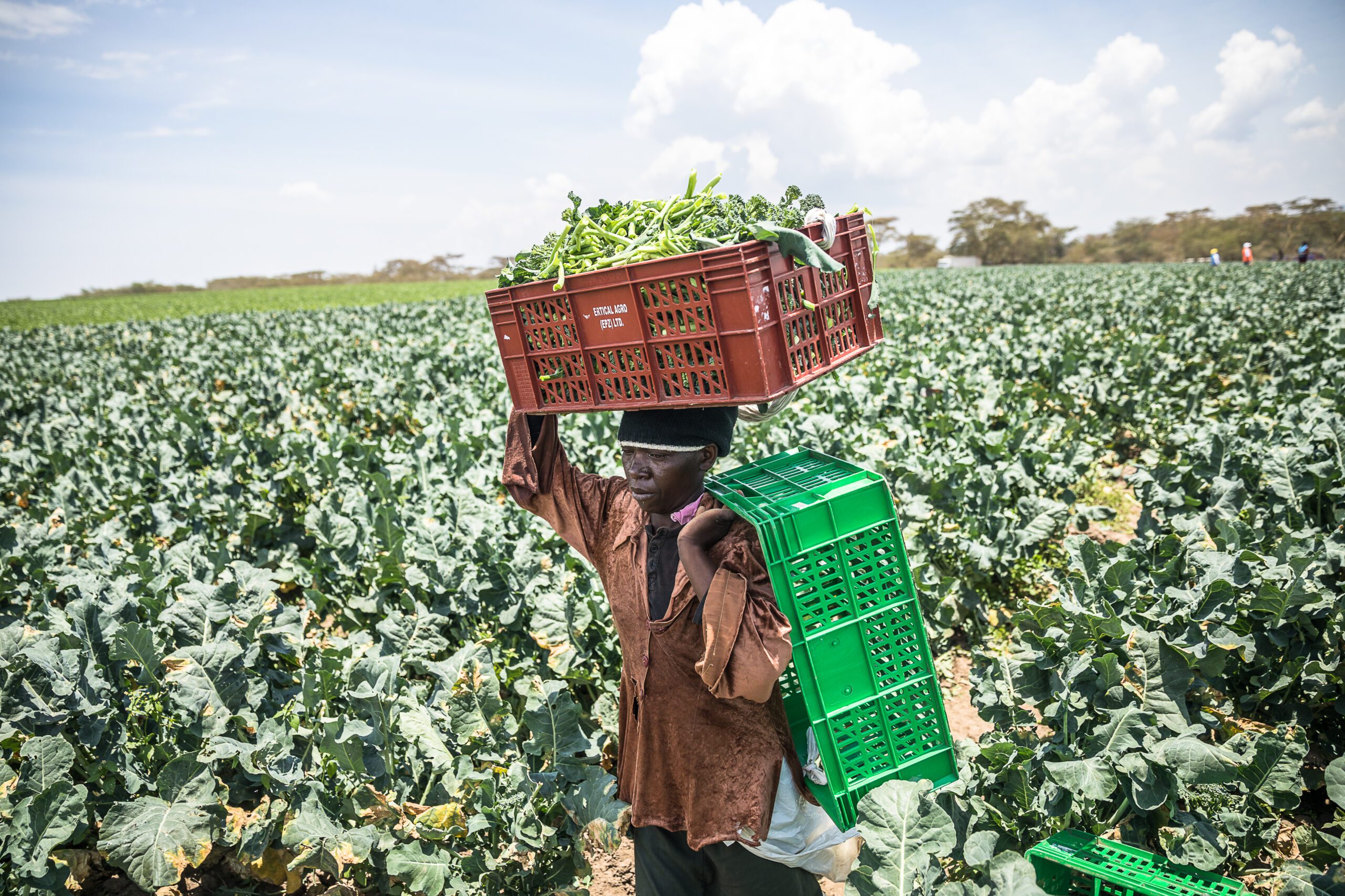
Around the world, people are navigating instability. Today, approximately 673 million people face chronic hunger — a reminder that the global food system is strained at every level. At the same time, one-third of all food goes to waste, contributing to greenhouse gas emissions and leaving nutritious food out of reach for too many people.
Food banks offer a simple but powerful solution: They connect surplus food to people who need it, reducing waste and hunger at the same time.
With support from The Global FoodBanking Network (GFN), food banks are adopting innovative tools and approaches that help them operate more efficiently, grow sustainably and serve more communities. Together in 2024, GFN member food banks provided food to 38 million people struggling with hunger.
The food banks in GFN’s network operate in diverse environments. Some are young organizations working to build a foundation, while others manage large, complex systems that serve entire countries. Regardless of their size, food banks face high demand as people struggle with the rising cost of living and unpredictable food supplies.
GFN supports food banks with technical expertise, training and resources that strengthen their operations and unlock new ways to increase food distribution. This support includes guidance in food safety, logistics, organizational management, fundraising and data analysis — areas that are critical for effective, scalable food banking.
The result is a multiplier effect. When food banks receive the right support at the right time, they can reach more people with more nutritious food, and they can do so year after year.
Lagos Food Bank in Nigeria offers a clear example of how the right investment can catalyze growth. Founder and CEO Michael Sunbola started the food bank with limited resources and little access to information about food banking. “There was no such thing as a food bank [in Nigeria] when we started,” he said.
GFN worked alongside Sunbola and his team to strengthen operations through infrastructure investments, technical guidance and opportunities for cross-regional learning. With this support, Lagos Food Bank expanded rapidly, distributing more than seven times the amount of food and grocery items in 2024 than it did in 2019. The organization now provides 243,000 people with nutritious food via 117 community agencies.
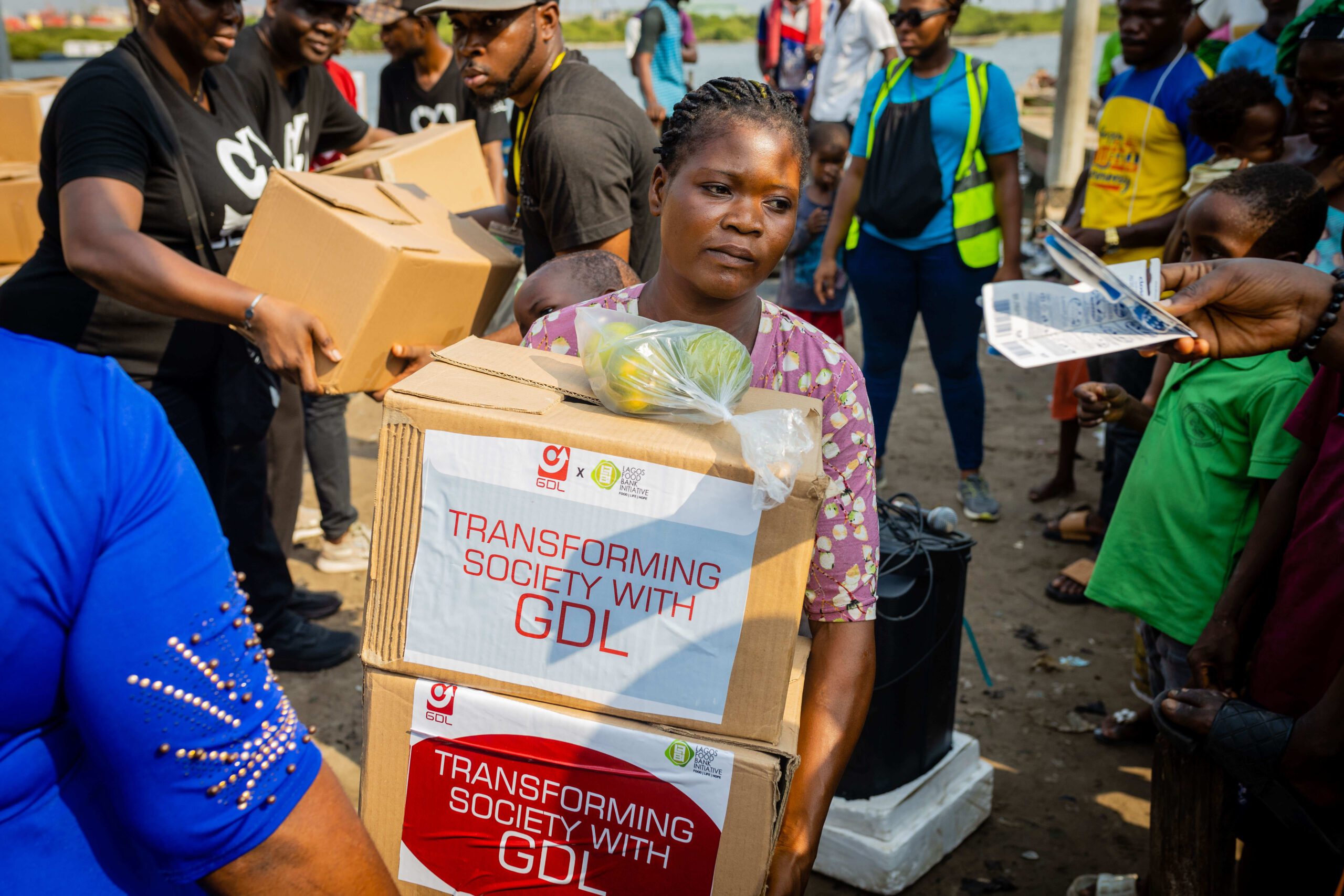
“GFN is so important to the work that we do, to amplify our work and build capacity,” Sunbola said.
Technology is creating new opportunities for food banks, especially in communities where capital is limited and transportation infrastructure is unreliable. Virtual food banking — a model that connects food donors directly with community organizations through digital platforms — is one of the most promising innovations taking hold across GFN’s network.

Twenty food banks are already using banque alimentaire virtuelle, with GFN providing focused support in countries like Kenya and Indonesia. In the last year alone, the amount distributed through virtual models more than doubled, rising from 5% to 8% of all distributed by participating organizations.
These systems help food banks save on warehousing and transportation costs while reaching communities that may otherwise be difficult to serve. They also allow food banks to move perishable food more quickly and reduce waste along the supply chain.
Innovation isn’t limited to food distribution models, either. GFN also helps food banks improve their data systems so they can make informed decisions and measure their impact more accurately.
In 2024, GFN released its Récupération alimentaire pour éviter les émissions de méthane, or FRAME, methodology and partnered with Microsoft to build a custom emissions dashboard using Sustainability Manager software. This tool helps food banks track methane emissions prevented through food recovery, giving them deeper insight into their environmental impact and highlighting opportunities to reduce waste even further.
These and other data-driven tools support food banks as they refine their operations, advocate for support and strengthen local food systems. Through the work with FRAME, GFN member Banco de Alimentos Quito started partnering with the Ecuadorian government and joined their Zero Carbon Program (Programa Carbono Cero), and the food bank is helping drive stronger national policy to reduce the environmental impacts of food loss and waste.
GFN’s network has grown significantly over the past decade — from reaching 9 million people annually in 30 countries to more than 38 million people in 46 countries today. But the needs continue to rise, and food banks require sustained support to keep pace.
Your support can help food banks meet essential operational needs, respond to rising demand and expand innovative ideas like virtual food banking.
By strengthening food banks, we can help ensure communities have reliable access to nutritious food while reducing waste and protecting our planet.
If you’d like to learn more about how you can support this work, please contact Vicki Clarke at vclarke@foodbanking.org.