
Depuis 2025, Starbucks Coffee Company et The Global FoodBanking Network (GFN) collaborent pour aider à étendre la présence de la marque. Programme FoodShare Au-delà des États-Unis, en Asie-Pacifique. Alors que Starbucks cherchait à étendre son programme FoodShare de manière coordonnée hors des États-Unis, l'entreprise avait besoin d'un partenaire mondial de confiance pour adapter la récupération alimentaire aux contextes locaux et renforcer les capacités locales nécessaires afin de garantir que les surplus alimentaires parviennent en toute sécurité aux communautés confrontées à la faim. La portée et la coordination de GFN sur différents marchés, ses capacités d'octroi de subventions et ses garanties en matière de sécurité alimentaire, de conformité et de diligence raisonnable ont fait de nous le partenaire idéal pour ce projet.
Le GFN et Starbucks collaborent principalement de deux manières.
FoodShare a été créée en 2016 par des partenaires de Starbucks qui ont défendu l'idée d'un moyen pour les cafés de donner leurs invendus alimentaires aux personnes souffrant de la faim dans les communautés à travers les États-Unis.
Aujourd'hui, le programme FoodShare est disponible dans 1001 030 cafés Starbucks exploités par l'entreprise aux États-Unis et au Canada. En partenariat avec le réseau Feeding America, qui regroupe des banques alimentaires américaines et d'autres organisations de lutte contre la faim, les établissements Starbucks participants offrent des repas nutritifs et prêts à consommer aux personnes en situation de précarité alimentaire et contribuent à réduire le gaspillage alimentaire.
À mesure que FoodShare étend ses activités hors des États-Unis, Starbucks collabore avec GFN pour adapter le programme. Les banques alimentaires opèrent dans des contextes différents à l'étranger, et GFN, ses banques alimentaires membres et Starbucks veillent à ce que FoodShare réponde aux réalités locales.
Par exemple, SOS Thaïlande utilise un modèle de banque alimentaire atypique aux États-Unis : une distribution décentralisée sans entrepôt. Grâce à des collectes quotidiennes, SOS Thaïlande a intégré la récupération alimentaire avec Starbucks à ses circuits existants et, rien que l’an dernier, a entamé une collaboration avec 78 nouveaux cafés.
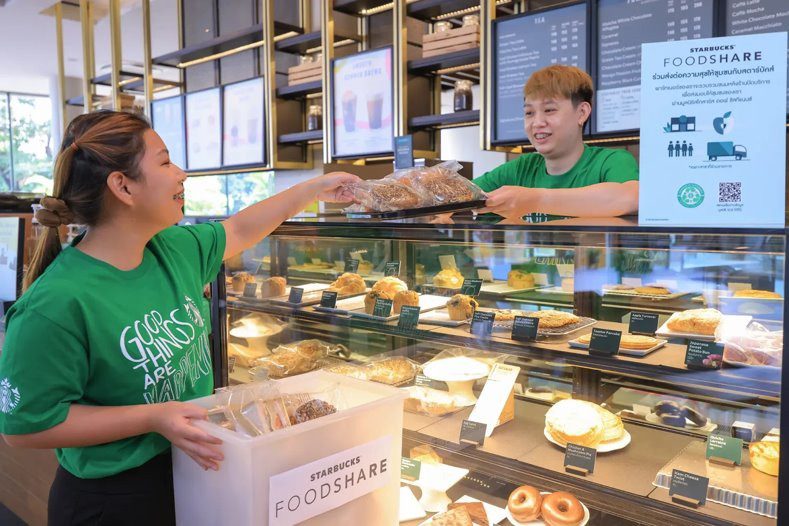
La collaboration avec Starbucks permet à GFN de faire ce qu'elle fait de mieux : aider les banques alimentaires à renforcer leurs opérations de base, à élargir leurs programmes existants et à apprendre les unes des autres pour devenir encore plus efficaces en matière de récupération alimentaire, dans ce cas-ci en partenariat avec Starbucks ainsi qu'avec l'ensemble du secteur de la restauration rapide.
Grâce à ce partenariat au cours des 12 derniers mois :
Dans l'ensemble du réseau, le financement de Starbucks a aidé les banques alimentaires à croître et à s'étendre.
L'an dernier, Starbucks et GFN ont collaboré une seconde fois dans le cadre du Mois mondial de la solidarité, une initiative annuelle de Starbucks qui mobilise ses partenaires autour d'actions solidaires pour la planète. Afin d'encourager et de valoriser l'engagement de ses partenaires, Starbucks a financé GFN, qui a ensuite réinvesti les fonds localement dans les marchés où ses partenaires étaient bénévoles. Grâce à ces efforts, GFN a pu octroyer des subventions et une assistance technique à des banques alimentaires dans 26 pays.
Au Canada, ce financement a appuyé le programme de renforcement des capacités de Banques alimentaires Canada afin d’aider les banques alimentaires du pays à mettre en place les systèmes et infrastructures partagés nécessaires à leur collaboration en réseau, notamment des solutions régionales pour la récupération des aliments provenant des fermes. Cette année, pour permettre aux banques alimentaires d’accepter et de distribuer davantage de denrées alimentaires, et en particulier des aliments frais, Banques alimentaires Canada a octroyé des subventions de renforcement des capacités partout au pays.
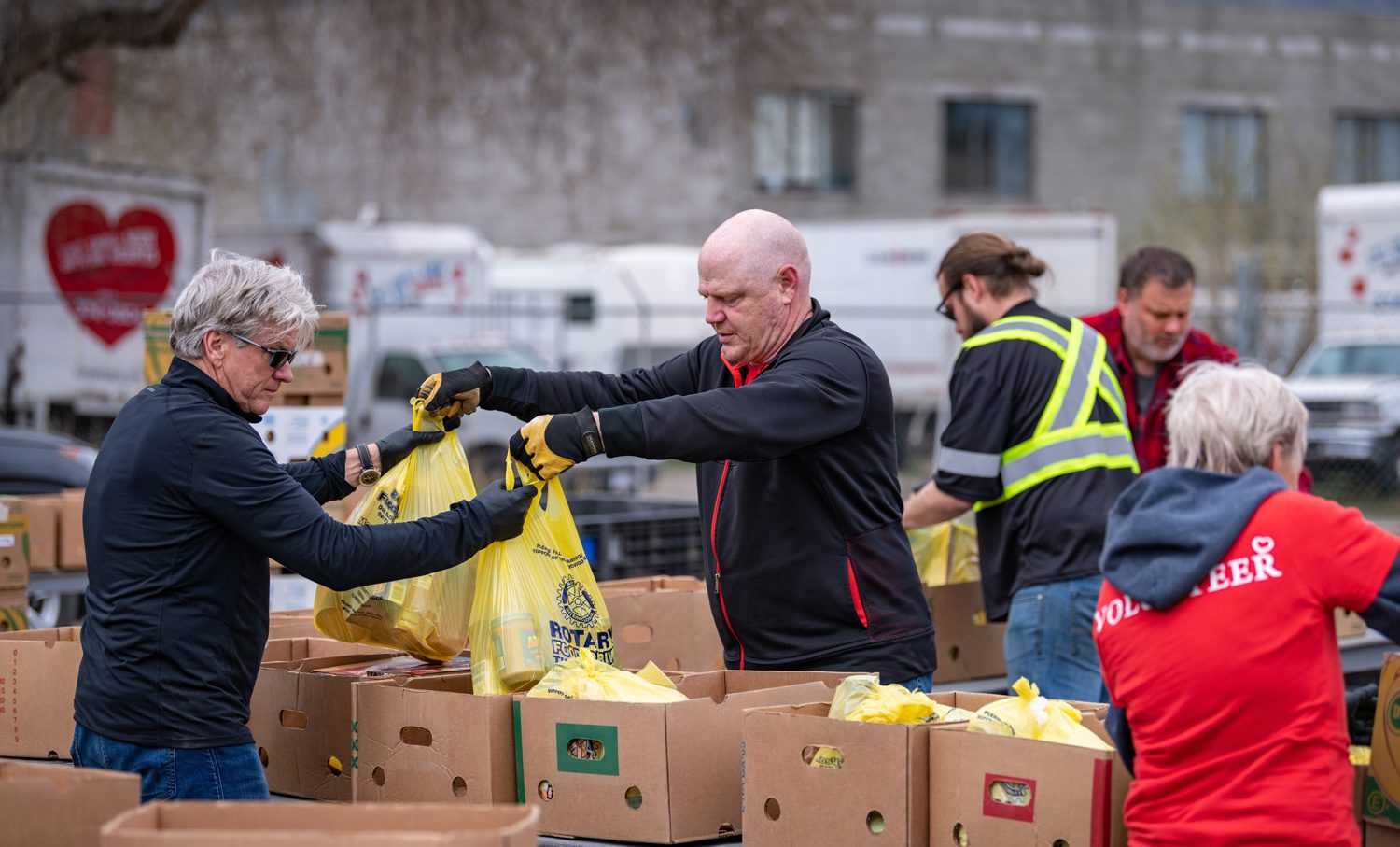
“ Soulager et prévenir la faim est une tâche ardue même en temps normal, et elle l’est d’autant plus lorsque, comme chaque année, un nombre record de ménages canadiens sont confrontés à l’insécurité alimentaire ”, a déclaré Kirstin Beardsley, directrice générale de Banques alimentaires Canada. “ Heureusement, les banques alimentaires ne sont pas seules. Le Réseau mondial des banques alimentaires et les contributions du Mois mondial de la générosité de Starbucks apportent une aide alimentaire essentielle et un soutien inestimable aux personnes en difficulté. ”
“ Starbucks est fière de s'associer au Réseau mondial des banques alimentaires pour renforcer son engagement auprès des communautés du monde entier ”, a déclaré Kelly Goodejohn, directrice de l'impact social et du développement durable chez Starbucks. “ Ensemble, nous œuvrons à un objectif commun : réduire le gaspillage alimentaire, opérationnaliser la récupération des aliments et renforcer les banques alimentaires à l'échelle mondiale, afin que davantage de communautés aient accès à des repas nutritifs. ”
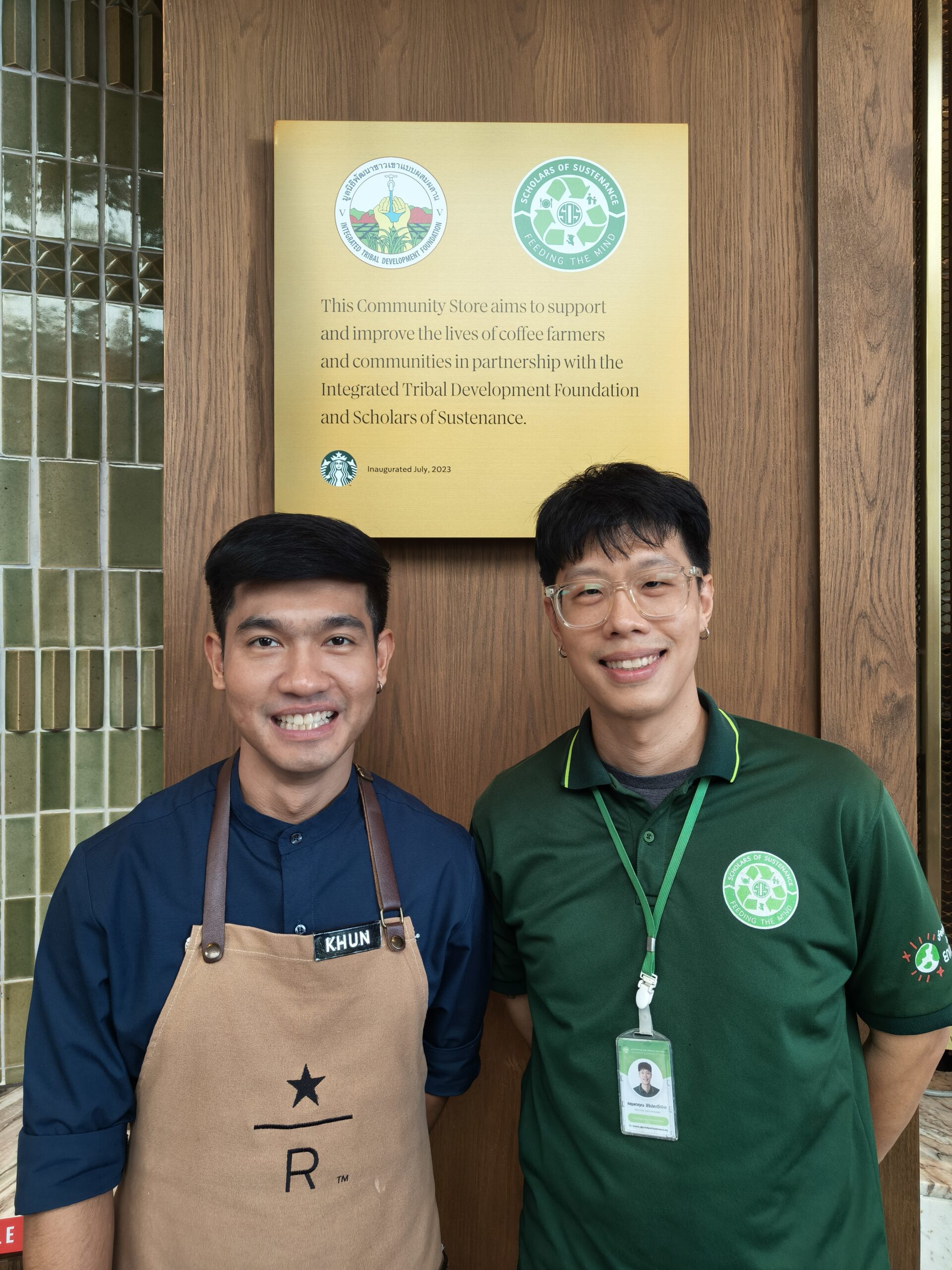
“ En collaboration quotidienne avec SOS Thaïlande, après la fermeture du magasin, mon équipe et moi emballons les produits de boulangerie dans des cartons et notons les quantités. Mon magasin centralise la collecte ; les magasins voisins, situés au premier étage d’ICONSIAM et à ICS, y déposent également leurs produits. Le lendemain matin, l’équipe de SOS Thaïlande vient les récupérer. Nous procédons ainsi chaque jour. Toute mon équipe et les magasins voisins participent à cette opération quotidiennement. ». En tant que gérant du magasin, je suis très fier, tout comme les membres de mon équipe et ceux des autres succursales. Nous sommes fiers de contribuer au bien-être de notre communauté tout en réduisant le gaspillage alimentaire. C'est un sentiment formidable de participer à ce projet.”
M. Wanchana Sakpratheepkorn (directeur de magasin, succursale Starbucks ICONSIAM Chao Phraya Riverfront, 7e étage)