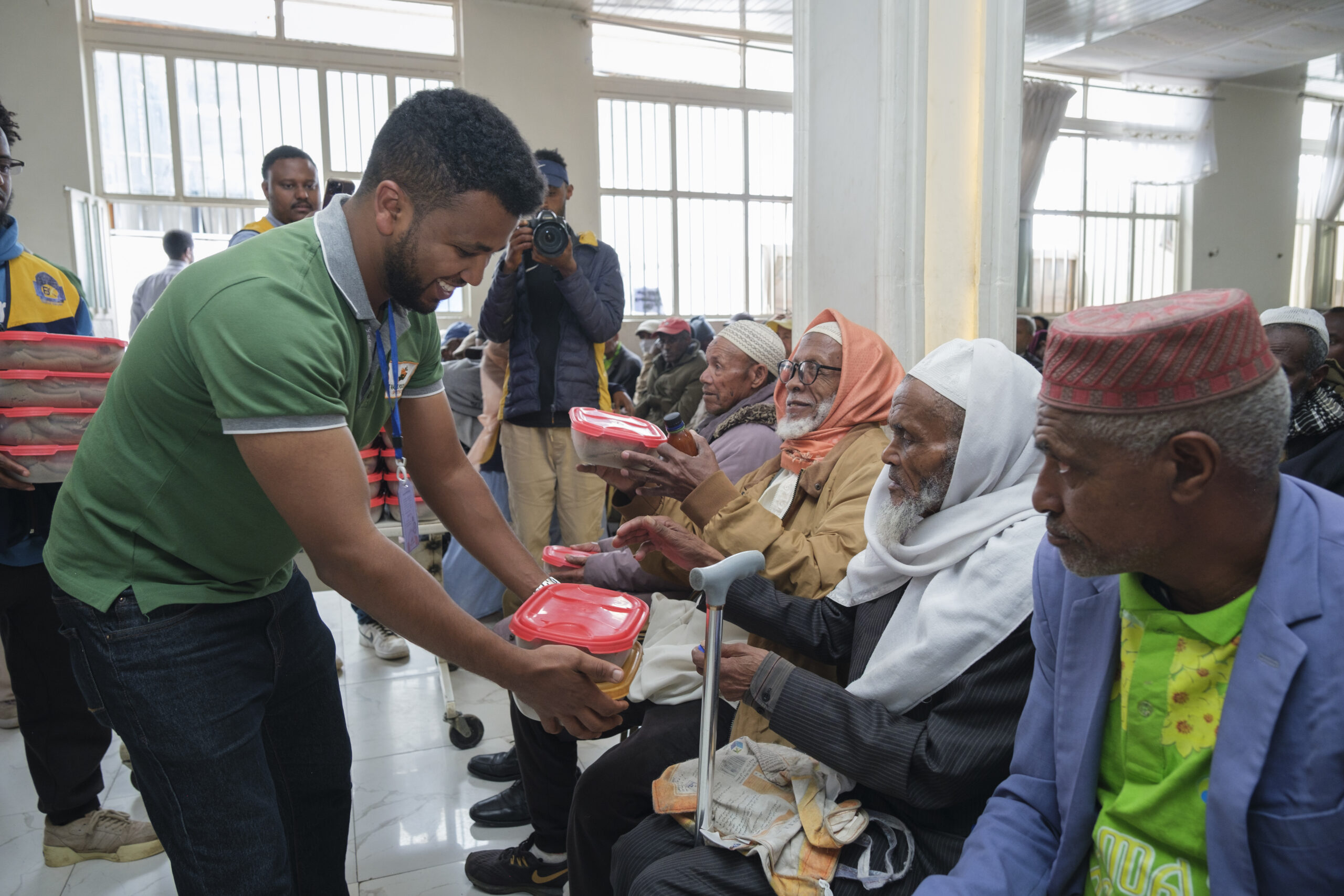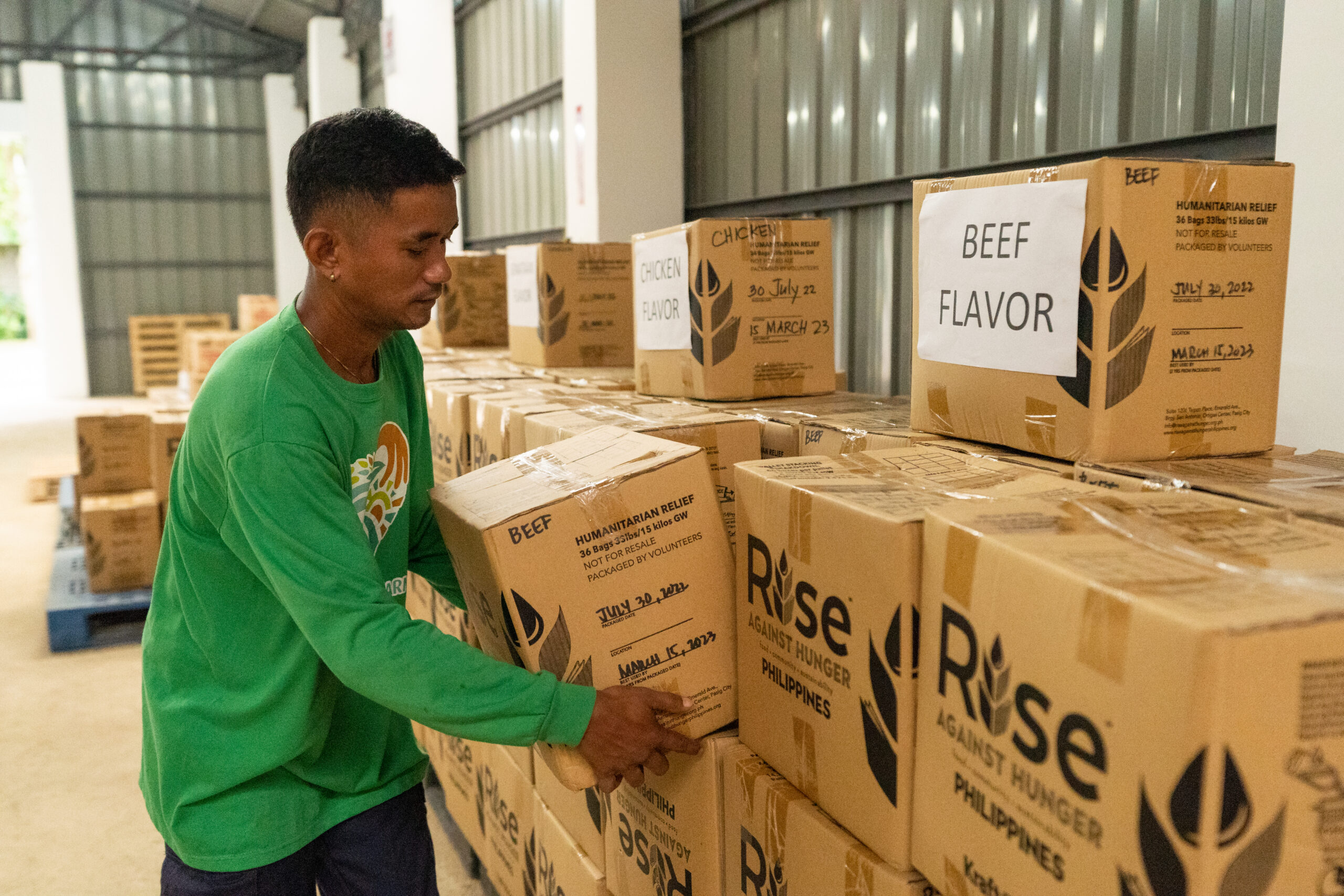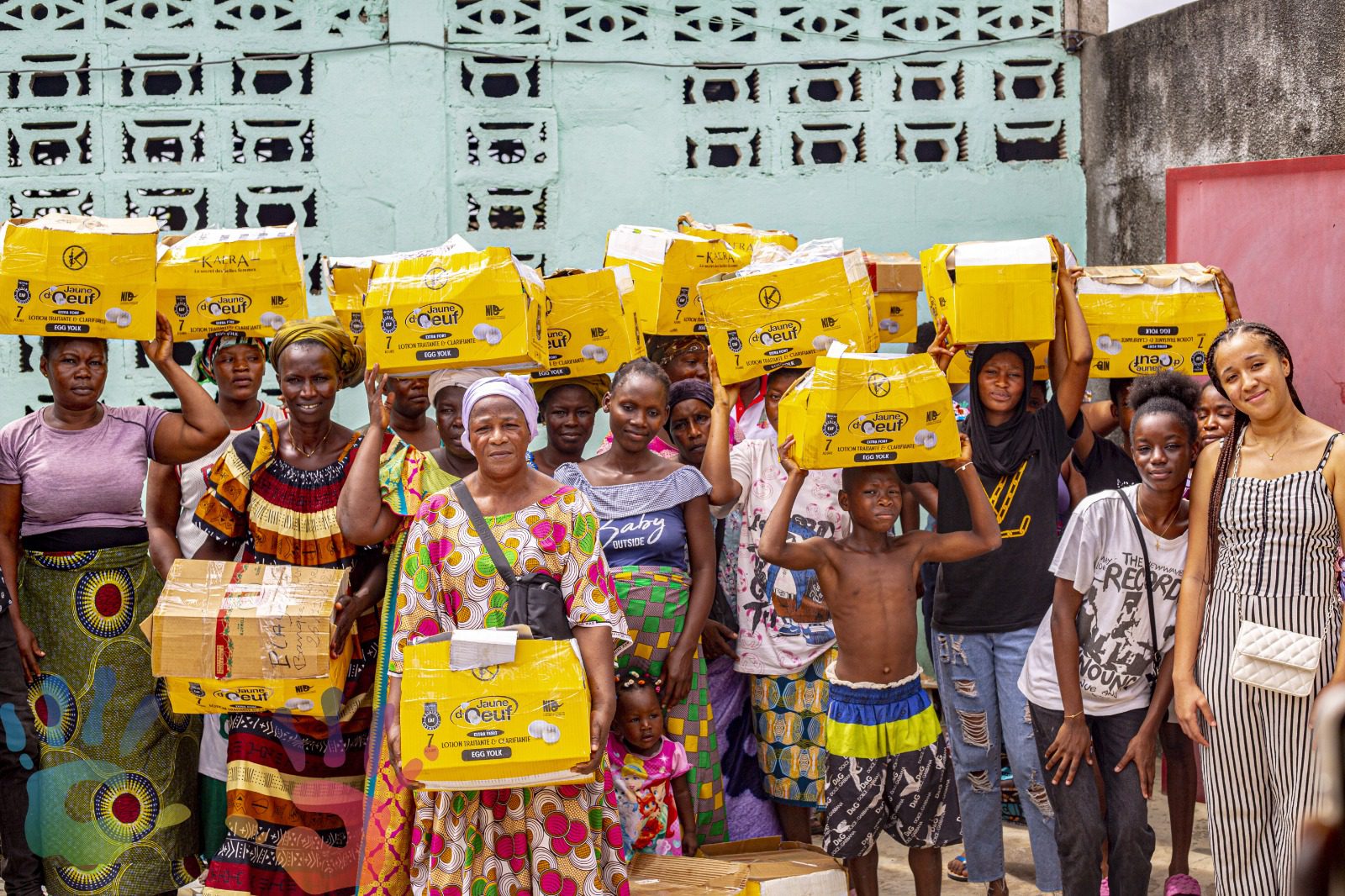
Food loss and waste is increasingly recognized as a major challenge within global food systems, affecting climate, resource use and food security. Reducing these losses is one of the most practical ways to strengthen food systems while ensuring more food reaches the communities that need it most.
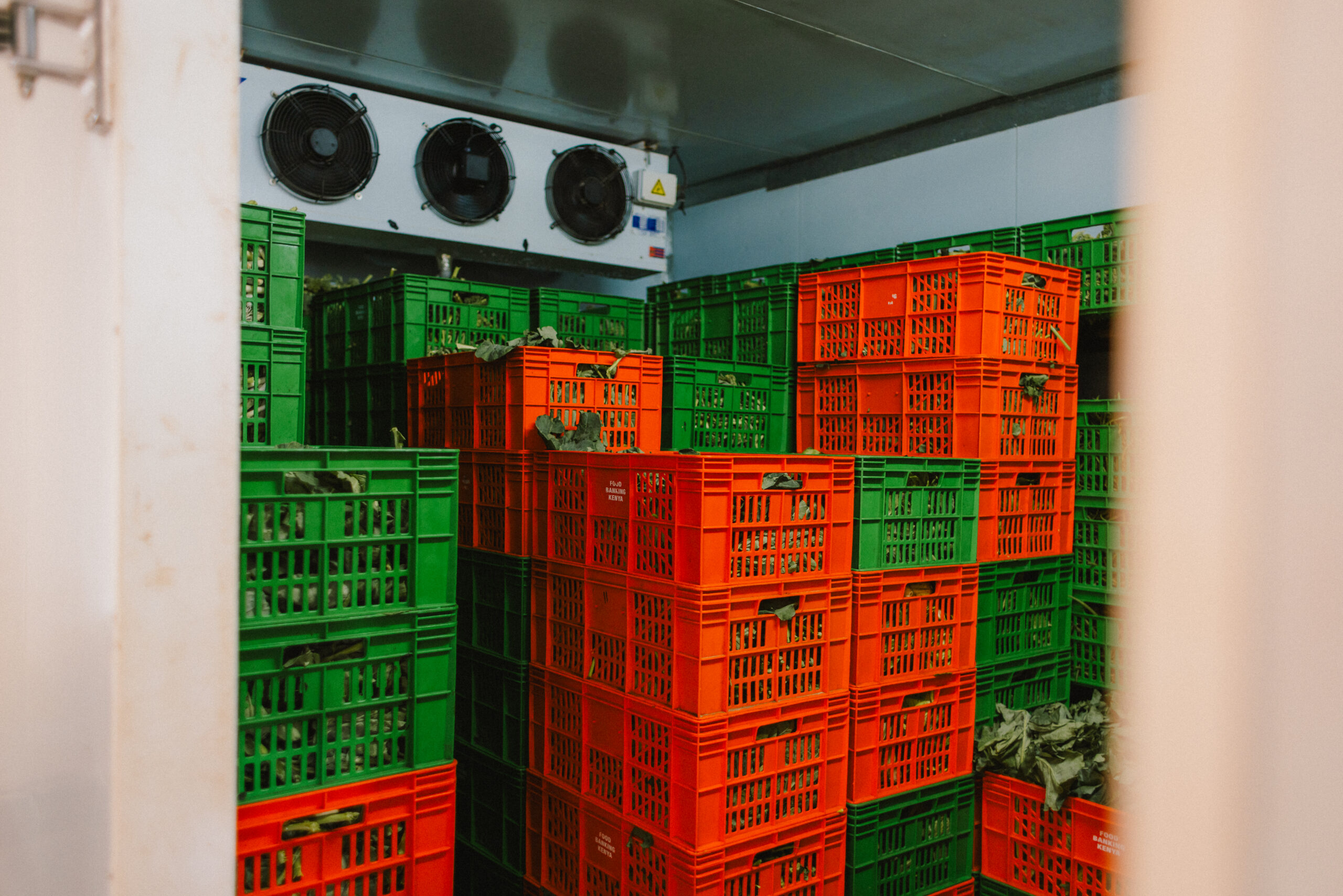
For highly perishable foods such as produce, dairy and proteins, preventing these losses depends on one critical system: cold chain.
Cold chain refers to the temperature-controlled storage, transportation and handling systems that keep perishable food safe across the supply chain.
For many people, this infrastructure goes largely unnoticed. The refrigerated section at a grocery store simply works — milk is cold, produce stays fresh and products remain safe to consume.
Behind that consistency, however, is a coordinated system that begins long before food reaches a store shelf. Temperature-controlled packhouses, refrigerated warehouses, cold transport and careful handling at every step ensure that perishable food can move safely from farms and manufacturers through distribution networks.
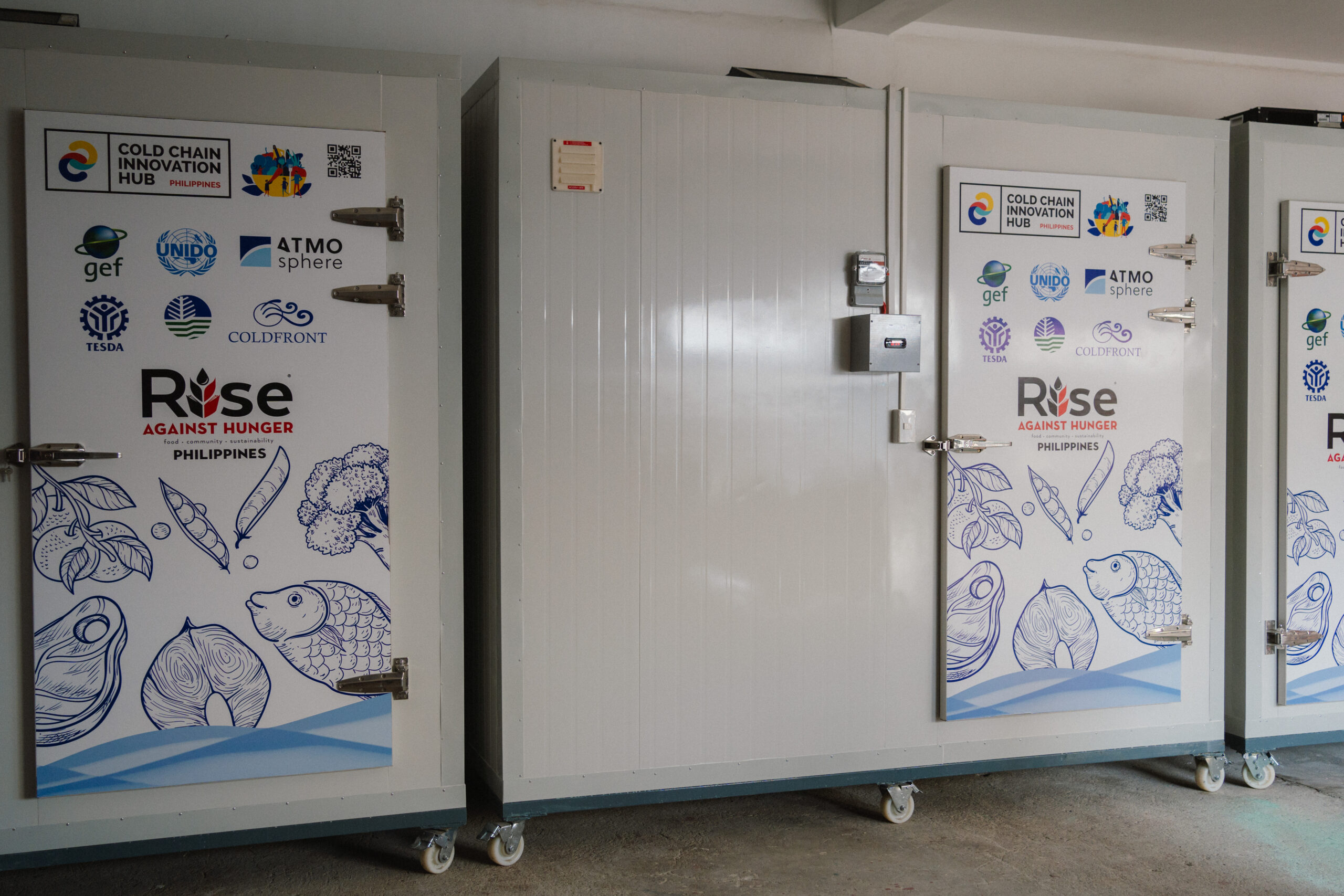
Food banks are experts at recovering good surplus food from all parts of the food system and connecting it to community organizations and people facing hunger. But without cold chain, surplus food could spoil before it can be redistributed.
Globally, gaps in refrigeration infrastructure remain one of the leading drivers of loss in perishable foods. The World Bank estimates that at least 25% of produce in lower-to-middle-income countries is lost due to insufficient cold chain infrastructure.
When cold chain infrastructure is strong, food recovery efforts can scale, allowing food banks to safely move fresh, nutritious food from farms, manufacturers and retailers to communities.
Cold chain expansion requires investment. Infrastructure, transportation systems and operational capacity all come with ongoing costs. However, it is also one of the most direct ways companies can align climate commitments, supply chain responsibilities, and make a lasting impact on communities where their team members work and live.
In 2025, members of The Global FoodBanking Network collectively recovered 147 million kilograms of produce, with 41% of distributed food consisting of fruits and vegetables, 그리고 58% classified as highly nutritious foods. Cold chain helps make these outcomes possible.
Partnerships between food banks and logistics and cold storage leaders can translate technical expertise into real, lasting improvements in food recovery systems. One example is GFN’s collaboration with Emergent Cold Latin America, which is helping strengthen cold chain capacity across Latin America.
In Guatemala, GFN connected member Desarrollo en Movimiento (DEM) to Emergent Cold, which helped the food bank strengthen warehouse infrastructure and improve cold chain operations. The support included the installation of energy monitoring systems to improve operational efficiency, thermal insulation within warehouse roofing to support more stable temperature control, and enhancements to storage racking to strengthen safety and capacity.
Improvements like these can significantly strengthen a food bank’s ability to safely receive, store and distribute perishable foods. Reliable temperature control and safe storage systems help ensure that nutritious food recovered from farms, manufacturers and retailers can move quickly through the supply chain and reach communities before spoilage occurs.
Building on this work, Emergent Cold continues to explore additional opportunities to support food banks.
“Ensuring the cold chain is essential for our clients and, likewise, for the important work of food recovery and distribution carried out by food banks,” said Emergent Cold Vice President of Commercial Rafael Rocha. “As a logistics operator, we can contribute by supporting these efforts with services, infrastructure improvements and technical training delivered by our specialists. Every possible effort should be made to maximize the positive impact of food banks’ work.”
Cold chain may operate behind the scenes, but it is one of the most powerful tools available to reduce food waste, strengthen food systems and improve food access.
For companies looking to align climate commitments with tangible community impact, investing in cold chain infrastructure offers a clear path forward. To learn more about how your organization can support food recovery and cold chain capacity across The Global FoodBanking Network, contact Jonathan James to explore opportunities for collaboration.