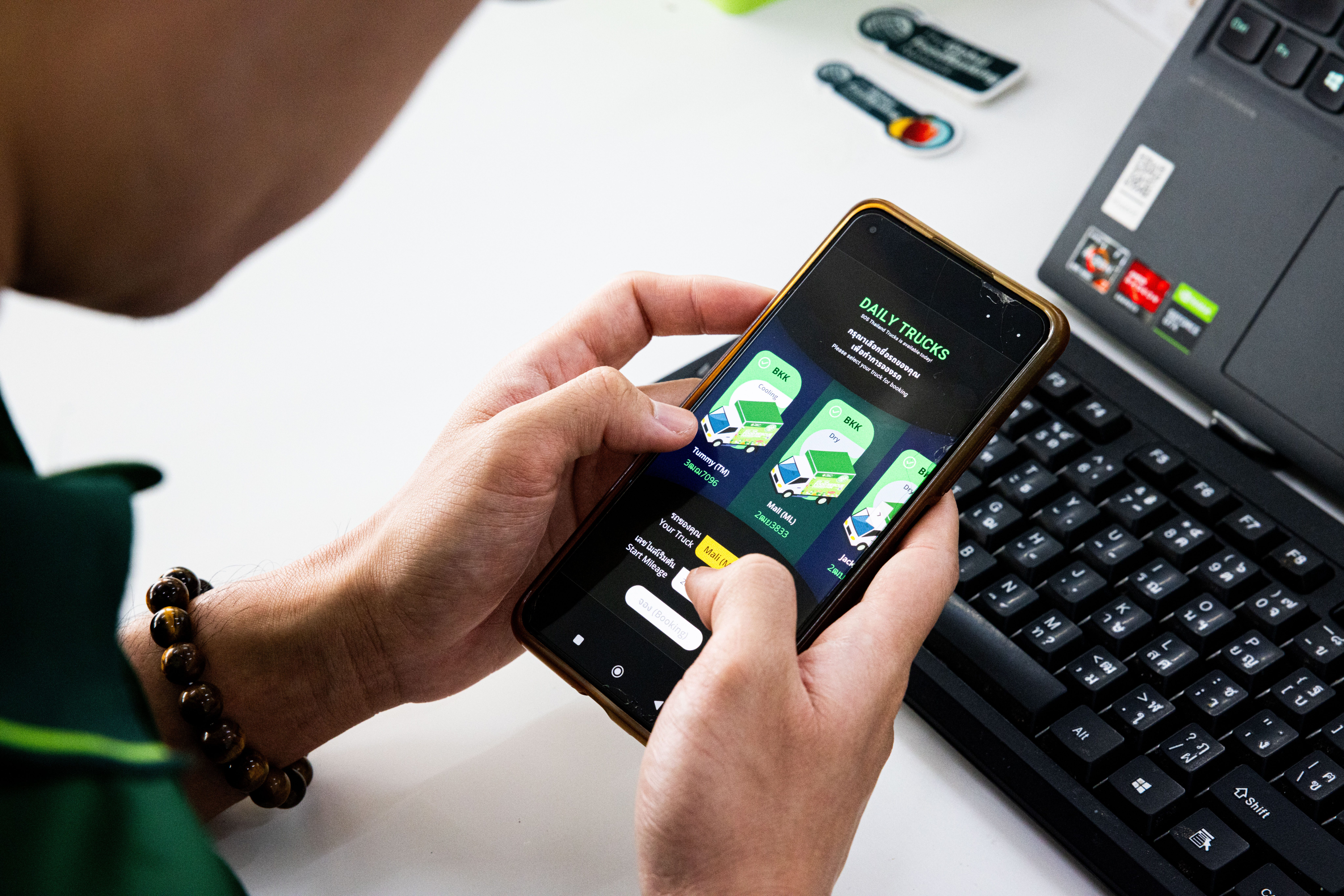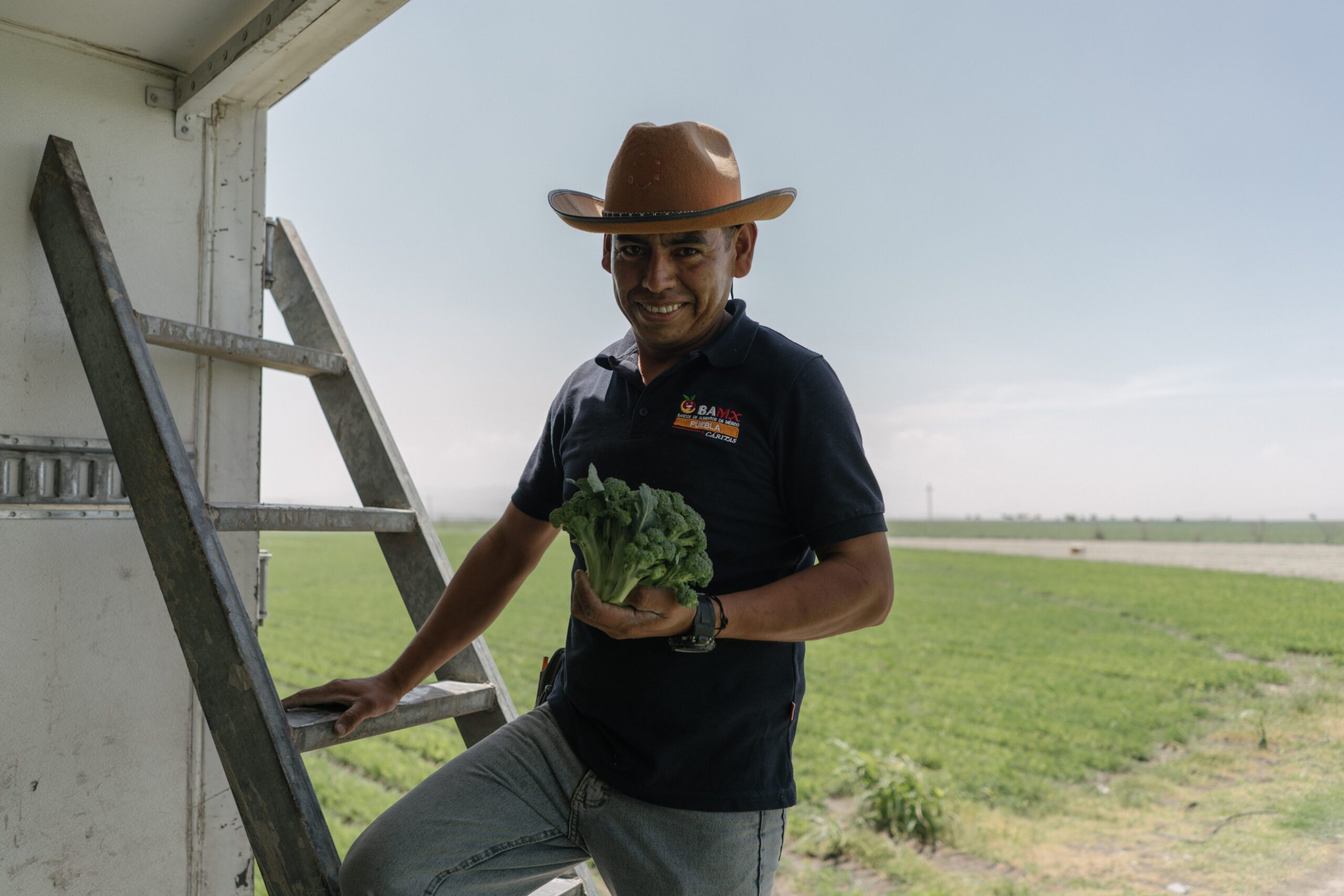
인공지능은 식품 시스템 최적화에 새로운 시대를 열고 있습니다. 수요 예측 및 재고 관리부터 트레일러 포장, 유통 및 물류 계획에 이르기까지, 인공지능은 식품 기업에 실시간 분석 정보를 제공하여 시의적절하고 정확한 비즈니스 의사 결정을 지원합니다. 나아가 소매업체들은 인공지능을 활용하여 고객 수요를 예측하고 개인 맞춤형 추천을 제공함으로써 재고 관리를 효율화하고 낭비를 줄이고 있습니다.
그리고 그 활용 분야는 계속해서 늘어나고 있습니다. 맥킨지 글로벌 컨설팅 그룹이 2024년에 실시한 소비재 기업 리더 대상 설문조사, 응답자 711,000명 중 711명이 조직의 최소 한 가지 사업 기능에 AI를 도입했다고 답했습니다(전년도 421,000명에서 증가). 같은 조사에 따르면 이러한 기술 투자는 수익을 5~15%포인트 증가시킬 잠재력이 있는 것으로 나타났습니다. 이러한 최적화는 공급망 전반에 걸쳐 절실히 필요했던 효율성 향상과 낭비 감소로 이어졌습니다.
이러한 새로운 효율성 향상은 푸드뱅크가 식품 회사들에게 전략적으로 더 이상 유익한 존재가 아니라는 것을 의미할까요? 꼭 그렇지는 않습니다.
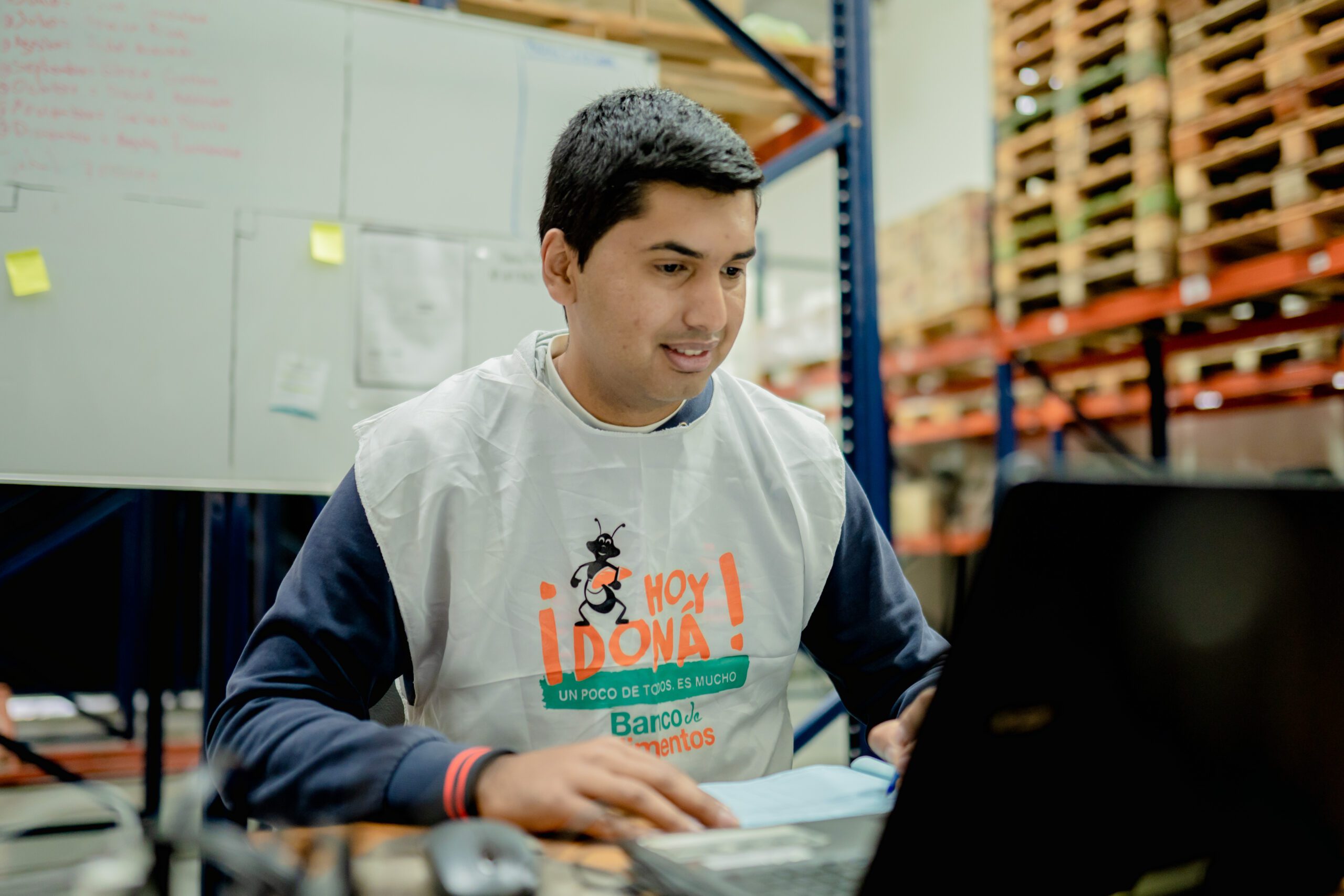
식품 시스템이 점점 최적화되고 있음에도 불구하고, 잉여 식품은 여전히 현실이며, 이는 막대한 비용을 초래합니다. 2025년 연구에 따르면 농장에서부터 판매 시점까지 소매 공급망 전반에 걸친 식품 낭비 비용은 상당합니다. 평균 33%의 매출에 해당합니다.. 특히, 지난 3년간 인공지능 도입이 가속화되었지만, 54%의 기업들이 음식물 쓰레기 관련 비용 또한 증가했다고 보고했습니다..
푸드뱅크는 이러한 비용을 직접적으로 절감하는 동시에 더 광범위한 사업 목표를 지원할 수 있는 실용적이고 확장 가능한 해결책을 제공합니다. 잉여 식품을 매립지로 보내려면 운송비가 발생하고, 소각이나 폐기물 에너지화는 자본 집약적이고 운영이 복잡합니다. 반면 푸드뱅크는 기부자에게 비용 부담 없이 잉여 식품을 수집하고 배포할 수 있으며, 종종 세금 공제 혜택까지 제공합니다.
최적화를 통해 낭비를 줄일 수는 있지만, 잉여분을 완전히 없앨 수는 없습니다. 2024년 한 해 동안 GFN 회원 푸드뱅크들은 7억 6,200만 킬로그램의 식품과 식료품을 배포했는데, 이는 전년 대비 1억 7,100만 톤 증가한 수치입니다. 회수된 1kg은 운영 비용을 절감하는 데 도움이 되며, 그렇지 않을 경우 수익 마진을 잠식할 수 있습니다.
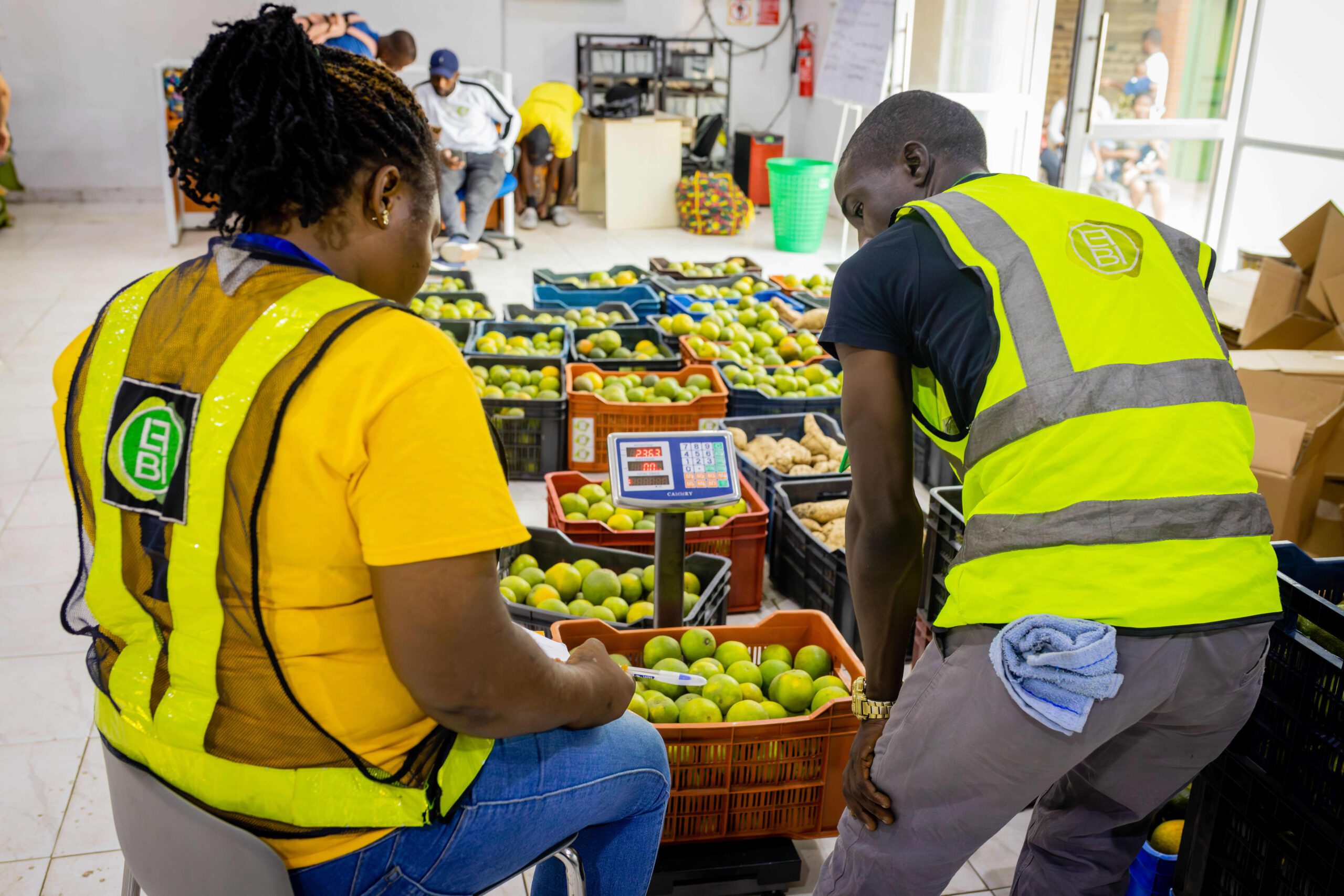
또한, 소비자, 규제 기관 및 투자자의 높아진 기대치로 인해 식품 기업들은 지속가능성, 사회적 영향 및 책임 있는 성장에 더욱 신경 써야 한다는 압력을 받고 있습니다. 푸드뱅크는 매립을 방지함으로써 기업들이 감축된 배출량을 정량화하는 데 도움을 줄 수 있으며, 폐기물 문제 해결에 대한 진전을 보여주는 간편하고 신뢰할 수 있는 방법을 제공합니다. 그리고 환경 관련 약속.
푸드뱅크는 지역사회에 깊이 뿌리내리고 있습니다. 기업은 푸드뱅크를 신뢰할 수 있는 파트너로 삼아 소비자와 직원들이 관심을 갖는 사회적 문제를 더 깊이 이해하고 해결할 수 있습니다. 브랜드와 진정한 사회적 영향력을 연결하고자 하는 기업에게 푸드뱅크는 아이디어 공유, 학습 및 스토리텔링을 위한 귀중한 자원이 될 수 있습니다.
식품 기업들은 비용 관리, 공급 변동성, 지속가능성 기대치 사이에서 복잡한 균형을 유지해야 하는 과제에 직면해 있습니다. 비용 상승, 규제 압력, 이해관계자들의 높아진 기대치 등으로 특징지어지는 오늘날의 어려운 사업 환경에서는 최적화만으로는 충분하지 않습니다.
이러한 새로운 환경에서 푸드뱅크는 인공지능을 보완하는 역할을 합니다. 푸드뱅크는 최적화된 시스템에 인간적인 요소를 더하여, 질 좋은 잉여 식품이 취약 계층에게 전달되도록 합니다. 동시에 푸드뱅크는 기업들에게 비용 절감, 지속가능성 목표 달성, 그리고 식량 안보, 기후 변화 대응, 지역사회 회복력 강화에 대한 높아지는 기대에 부응할 수 있는 믿을 만한 방안을 제공합니다.
푸드뱅크는 비용 효율적이고, 효과적이며, 데이터 기반이고, 확장 가능한 영향력을 통해 현재 상황에 필요한 것을 제공합니다.
이 활동을 지원하는 방법에 대해 더 자세히 알아보시려면 Vicki Clarke에게 문의하십시오. vclarke@foodbanking.org.