In an era of conflict, aid cuts and climate disasters, food banks prove to be resilient, dynamic organizations that support communities around the globe.
2025년은 분쟁, 재난, 그리고 공적 개발 원조의 대폭 삭감이 복합적으로 작용하여 전례 없는 세계적인 인도주의적 위기를 초래한 해였습니다.
다시 한번, 언제나처럼 민첩하고 대응력이 뛰어나며 회복력이 강한 푸드뱅크들이 전 세계적으로 안전망 역할을 하며 지역 사회와 굶주림 사이에 자리 잡았습니다. 글로벌 푸드뱅킹 네트워크(GFN) 회원들은 2025년까지 기아에 직면한 4,050만 명에게 약 20억 끼의 식사를 제공했습니다.
GFN Spotlight은 47개국에 걸쳐 55개 회원 푸드 뱅킹 조직의 데이터를 보여줍니다[1]. 푸드 뱅킹의 발전과 혁신을 살펴보고 회원들의 성과를 강조하며 2025년에 직면한 식량 안보 문제를 보여줍니다.
[1] 파트너 조직인 Feeding America(USA)와 유럽식량은행연맹의 데이터는 포함되지 않습니다. GFN의 신규 식량은행 개발 프로그램 회원과 2025-2026년에 가입한 회원은 데이터를 제출하지 않습니다.
Key Takeaways from The Global FoodBanking Network in 2025:
GFN food banking organizations served approximately 40.5 million people facing hunger in 2025, which is nearly equal to people served during the height of the COVID pandemic.
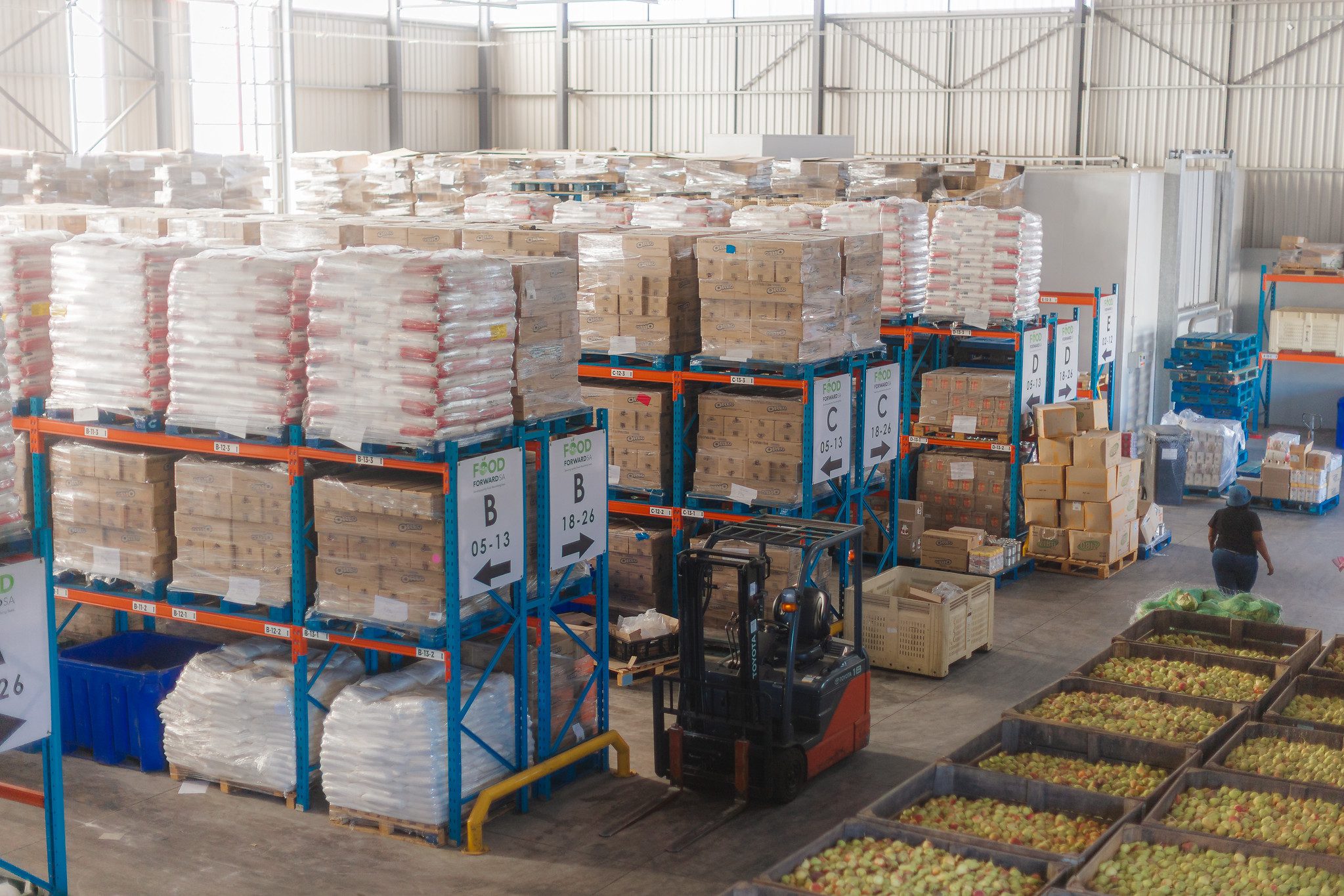
Food banks prevented approximately 534 million kilograms of food from going to waste, preventing the release of methane into the atmosphere.
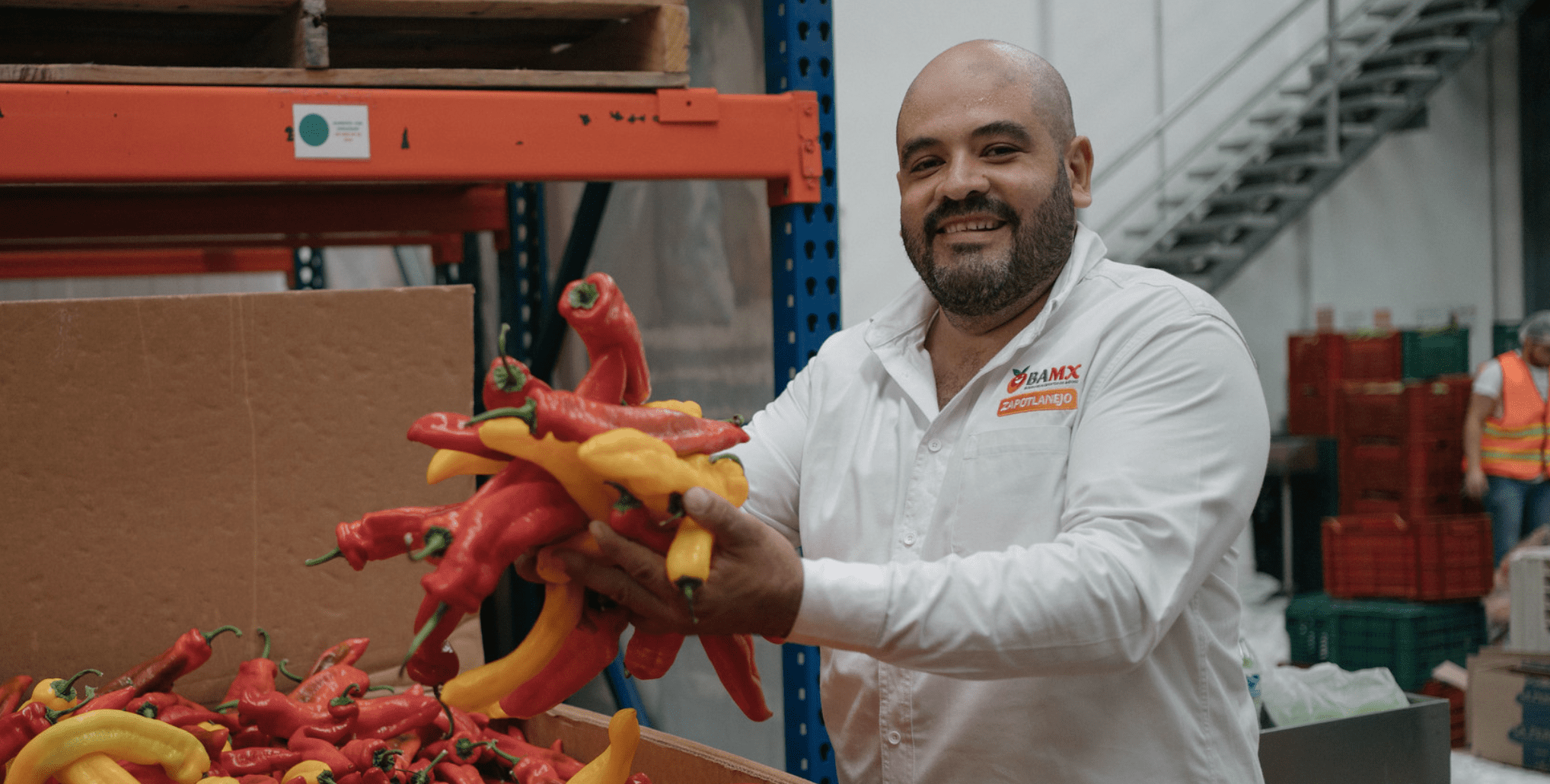
Supported by GFN’s Agricultural Recovery Hub, food banking organizations sourced 55% more from agricultural sources in 2025 than they did in 2024, delivering 228 million kilograms of nutritious food to people.
Newer food banks that are part of GFN’s Accelerator program grew by 40% over the year prior in terms of product distribution and outpaced the rest of the network.
Agile and innovative food banking models are expanding, particularly virtual food banking, which accounts for 8% of the network’s total distribution.